Bihar polls: Lalu Prasad's elder son Tej Pratap booked for MCC 'violation'
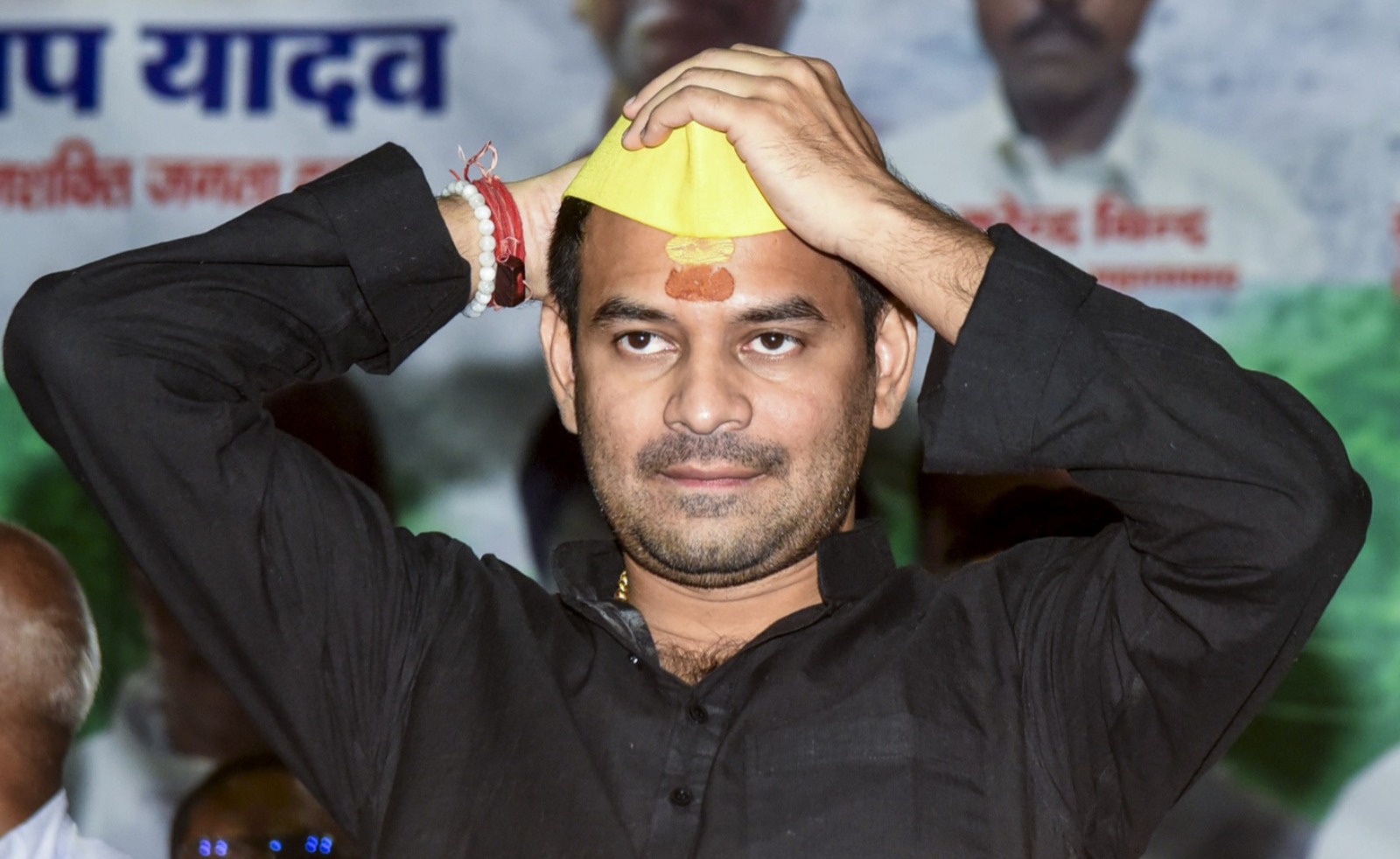
Hajipur (PTI): RJD supremo Lalu Prasad's elder son and Janshakti Janta Dal chief Tej Pratap Yadav has been booked for allegedly violating the model code of conduct (MCC) during the filing of his nomination papers from the Mahua assembly seat in Bihar’s Vaishali district, police said.
According to a statement issued by the district police on Sunday, the Circle Officer of Mahua lodged a complaint with the police station concerned after a video, which went viral on social media, showed Yadav using a SUV, bearing a police logo and a beacon light, during a procession for submitting his documents on October 16.
"It was thoroughly examined and found that the police logo and beacon light used on the vehicle were a private one. Therefore, a case was registered for violation of the election code of conduct," it said.
Yadav floated the party after being expelled from the RJD on May 25 by his father for six years, as he reportedly confessed to being ‘in a relationship‘ with a woman.
He, however, deleted the Facebook post later with a claim that his page was ‘hacked’. Lalu Prasad also disowned Tej Pratap due to his "irresponsible behaviour".
A few days later, after his expulsion from the RJD, Tej Pratap Yadav had alleged that there was a "conspiracy" to drive a wedge between him and his younger brother Tejashwi Yadav.
He had voiced his sentiments in a couple of posts on his X handle, blaming the crisis on ‘Jaichand’, a metaphor for traitors.
Let the Truth be known. If you read VB and like VB, please be a VB Supporter and Help us deliver the Truth to one and all.
Trump says he ‘hasn’t even thought about’ continuing Iran ceasefire
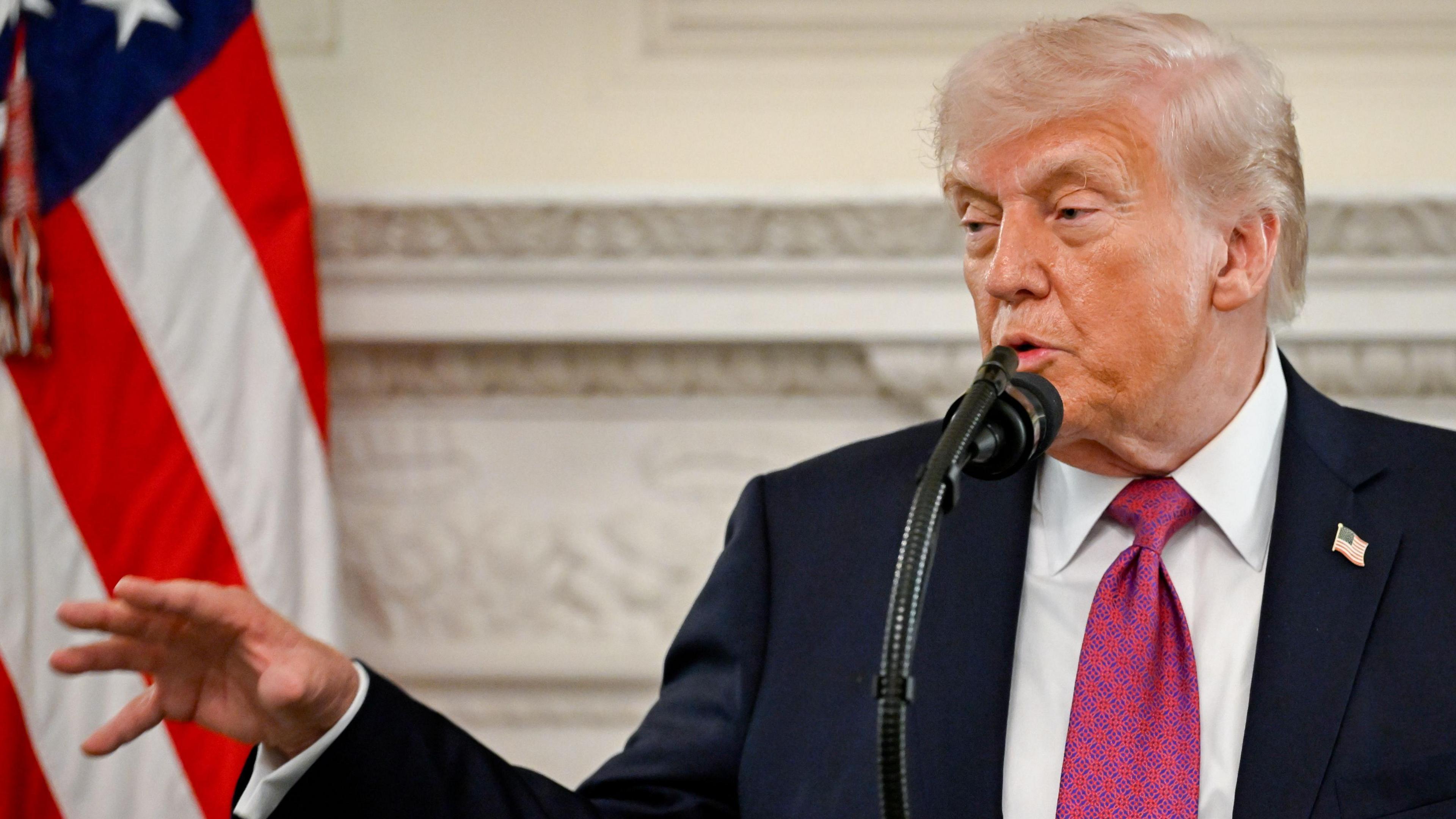
Washington: US President Donald Trump has said he has not yet considered whether he would continue the ceasefire involving Iran, while also claiming the United States holds the advantage in negotiations.
Speaking to reporters, Trump said he was prepared to make a deal with “whoever is running the show” in Iran.
“They are fighting with each other, there’s tremendous infighting. They’re probably fighting for leadership in many cases. I think they’re fighting not to be leader because we knocked out two levels of leaders,” he said.
Trump added, “When they want they can call me. We have all the cards, we’ve won everything.”
Referring to ongoing negotiations, he said, “They gave us a paper that should’ve been better. And, interestingly, immediately when I cancelled it [envoy trip to Pakistan], within 10 minutes we got a new paper that was much better.”
“We talked about they will not have a nuclear weapon, very simple … They offered a lot, but not enough,” he added.
When asked whether he would continue the ceasefire, Trump replied, “I haven’t even thought about it.”
The remarks come as uncertainty remains over the future of the temporary truce and broader negotiations between Washington and Tehran.