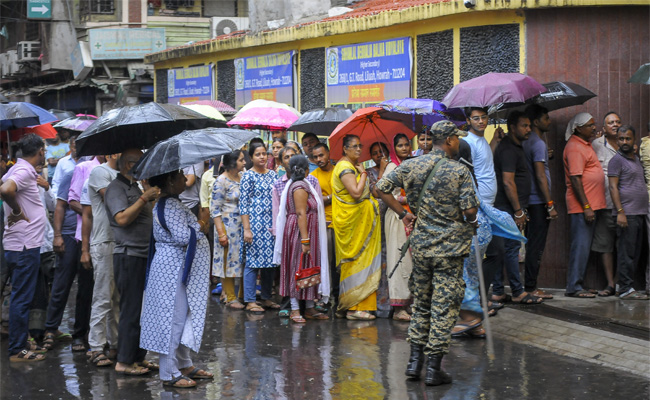
BJP creating hurdles for Telangana bill increasing reservations: Congress
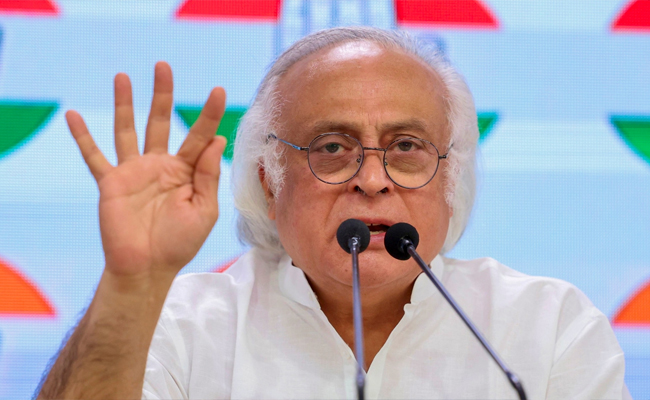
New Delhi (PTI): The Congress on Sunday accused the BJP of "creating hurdles" for the bill increasing reservations for scheduled castes, scheduled tribes, and backward classes to 67 per cent in Telangana from becoming a law, and asked why else would presidential assent be held up for it for over four months.
Congress general secretary in-charge communications Jairam Ramesh claimed that this had exposed the BJP's commitment to social justice.
"On November 9, 2023, the Bihar Assembly passed the Bill increasing reservations for scheduled castes, scheduled tribes, OBCs, and EBCs to 65%. The Legislative Council did so on Nov 10, 2023. After the Governor gave his assent, the Bill became law formally on November 21, 2023," Ramesh said in a post on X.
The Telangana Assembly passed a Bill increasing reservations for scheduled castes, scheduled tribes, and backward classes (BCs) to 67 percent (of which 42 percent is reservation for BCs) on March 17, 2025, he said.
"The Legislative Council did so a day later. On March 30, 2025, the Governor sent the Bill to the President of India for assent. Over four months have passed and that assent is still awaited," Ramesh pointed out.
The Bihar Act came into being when Nitish Kumar had not yet somersaulted and was heading a JD(U), RJD, and Congress government, he said.
"But given the social realities of Bihar, the BJP was in no position to get the Governor to delay or derail assent to the Bill. It is important to note that the Governor did not send the Bill for Presidential assent," he said.
"However, in Telangana, the BJP is certainly creating hurdles, exposing its commitment to social justice. Why else would Presidential assent be held up for over four months?" Ramesh said.
Let the Truth be known. If you read VB and like VB, please be a VB Supporter and Help us deliver the Truth to one and all.
Rupee falls 32 paise to all-time low of 95.20 against US dollar
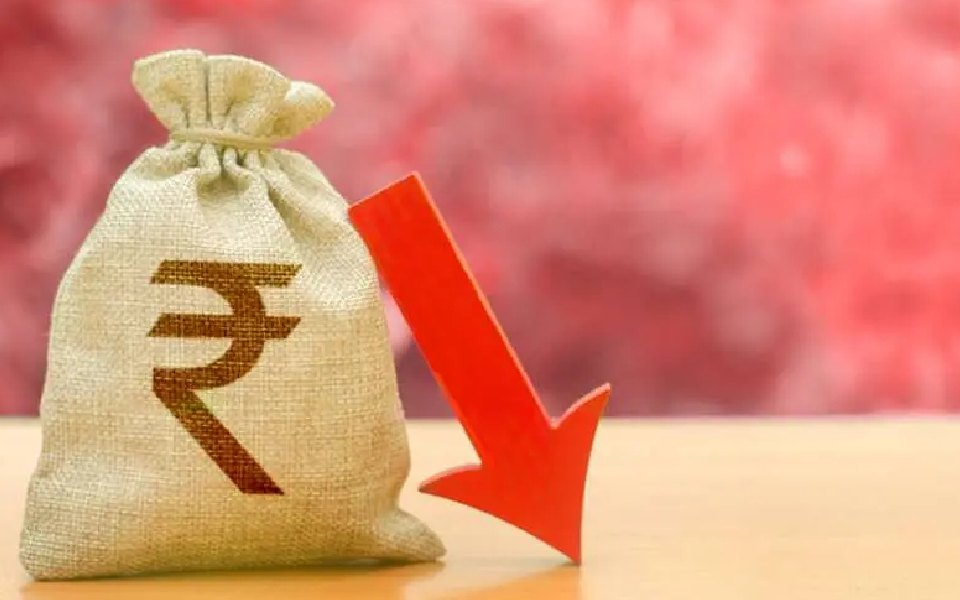
Mumbai, Apr 30 (PTI): The rupee depreciated 32 paise to an all-time low of 95.20 against the US dollar in early trade on Thursday, weighed down by elevated Brent crude oil prices, hovering around USD 122 per barrel, and strong American currency.
Forex traders said the USD/INR pair may see further downside, as rising crude oil prices are likely to sharply impact India's import costs, while concerns over potential wider conflict in West Asia are fuelling investor anxiety.
Meanwhile, the US dollar added to gains after the US FED Reserve kept rates unchanged. Safe-haven demand was also boosted by another diplomatic setback between Washington and Tehran.
At the interbank foreign exchange market, the rupee opened at 95.01 against the US dollar, then lost some ground and touched an all-time low of 95.20 against the US dollar in initial trade, registering a fall of 32 paise over its previous close.
On Wednesday, the rupee depreciated 20 paise to close at an all-time low of 94.88 against the US dollar.
ALSO READ: Meghalaya: Interstate ATM theft racket busted, 6 arrested
"The main effect on the rupee has been from the rising oil prices, which touched USD 120 per barrel and looked headed for further upside as the US continues with its blockade of Iranian ports, while Iran does not allow any ship/tanker to pass through the Strait of Hormuz," said Anil Kumar Bhansali, Head of Treasury and Executive Director Finrex Treasury Advisors LLP.
Meanwhile, the dollar index, which gauges the greenback's strength against a basket of six currencies, was trading 0.01 per cent higher at 98.96.
Brent crude, the global oil benchmark, was trading higher by 3.16 per cent at USD 121.76 per barrel in futures trade.
On the domestic equity market front, Sensex tumbled 821.79 points to 76,674.57 in early trade, while the Nifty dived 287.3 points to 23,890.35.
Foreign Institutional Investors offloaded equities worth Rs 2,468.42 crore on Wednesday, according to exchange data.
"FPIs continue with their sale of Indian Equities and debt (the yield touched 7 per cent on Wednesday) and are also dollar buyers consistently," Bhansali added.