BJP keeps winning because opposition is a failure: Asaduddin Owaisi
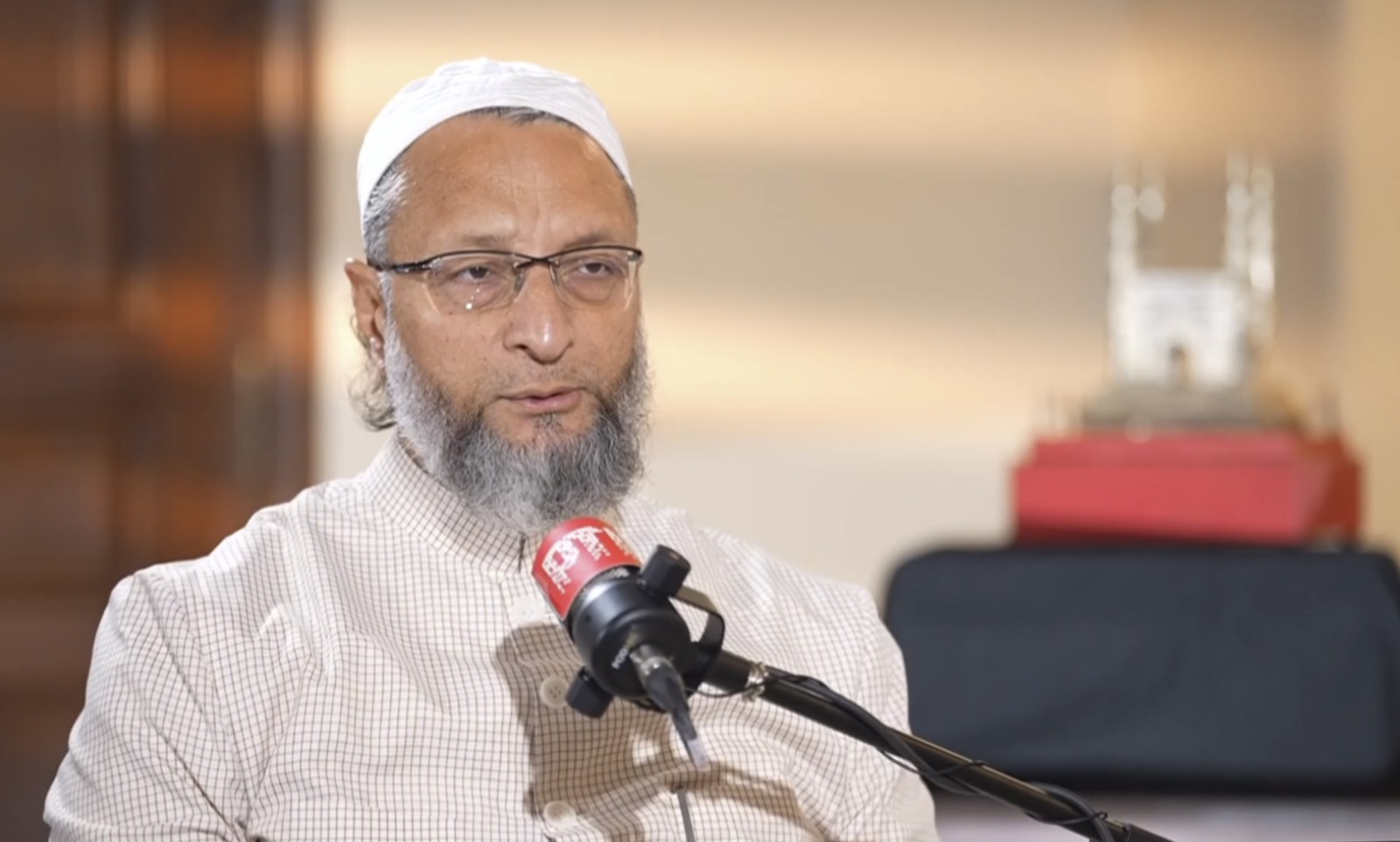
Hyderabad(PTI): The BJP is winning elections consistently because the opposition is a failure (nakaam) and because it has consolidated the Hindu votes, Hyderabad MP Asaduddin Owaisi has said, rejecting suggestions that he cuts into anti-Modi votes.
"How can you put the blame on me, tell me?" Owaisi said in an interview to PTI Videos on Saturday.
"If I contest in Hyderabad, Aurangabad, Kishanganj and a few other seats in the 2024 Parliamentary elections and BJP gets 240 seats then am I responsible?" Owaisi said.
"BJP is coming to power because the opposition is a failure (nakaam). BJP is winning elections because it has consolidated almost 50 per cent of the Hindu vote," he said, adding that attempts to blame him, and call him BJP's B-Team are nothing but the opposition's "hatred" for his party because it largely represents Muslims.
Opposition parties like the Congress have scoffed at Owaisi's attempts to grow his All India Majlis-e-Ittehadul Muslimeen party outside its stronghold of the Hyderabad region, saying he ends up benefitting the BJP by taking away a chunk of votes, mostly Muslims.
The fifth-term Lok Sabha MP has countered, accusing opposition parties of taking the Muslim votes for granted and paying little heed to their real concerns.
He said, "When every segment of the society has a semblance of political leadership, and that's acceptable to you but you don't want that Muslims should have a semblance of political voice, political leadership," he said.
Asked if he was referring to Congress, he said he is referring to all opposition parties, including BSP, SP and BJP.
"Yadav will be a leader, Musalmaan will be a beggar. Upper caste will be a leader, Musalmaan will be a beggar. How is that fair tell me," Owaisi said.
He lamented that the founding fathers of India had envisaged the country as a participatory democracy, "so where is the participation of Muslims?"
"When it is a question of India's integrity and security we will come forward and stand by the Indian military. But we do have to talk about the problems inside our homes, no?"
He pointed out that despite being the largest minority group in the country with nearly 15 per cent population, Muslims have only 4 per cent participation in legislatures and Parliament.
Asked why that is so, he said it's because political parties don't give tickets to Muslims to contest elections, and then people don't vote for Muslims.
He cautioned that India cannot achieve the "Viksit Bharat" goal by 2047 by keeping such a large community marginalised and weak. Political parties should stop looking at Muslims as vote banks, and instead work to uplift them, educate them, treat them fairly and give them jobs, he added.
"Our fight is that we don't want to remain voters. We want to be citizens."
Owaisi's attempts to emerge as a leader with an electoral appeal outside his citadel have met with some success as his party has won a few seats, especially those with a large Muslim population, in states like Bihar and Maharashtra in past elections.
His unabashed championing of Muslim grievances and aspirations has won him admirers in the community across the country.
Let the Truth be known. If you read VB and like VB, please be a VB Supporter and Help us deliver the Truth to one and all.
Iran’s Fars reports missiles hit US warship near Hormuz after it ignored warnings from IRGC
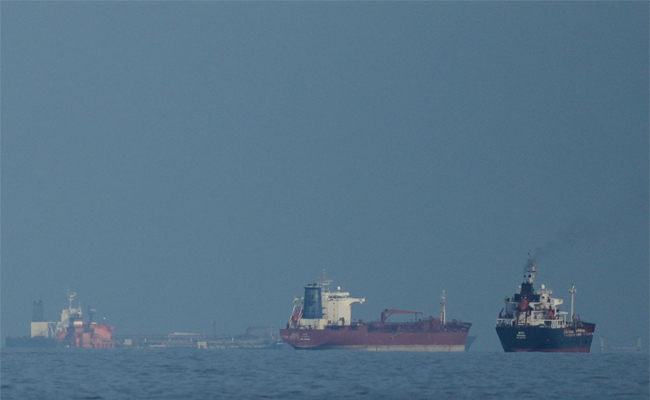
Tehran/Washington: Iran’s Fars News Agency has reported that two missiles struck a US Navy vessel near Jask in the Strait of Hormuz, citing local sources.
According to the report, the vessel was hit after it allegedly ignored warnings from the Islamic Revolutionary Guard Corps (IRGC) to halt.
There has been no official confirmation from US authorities on the reported incident so far.
The development comes shortly after US President Donald Trump said Washington would begin “Project Freedom” to guide stranded ships through the Strait of Hormuz.
US Central Command said the operation would involve 15,000 military personnel along with more than 100 land- and sea-based aircraft, warships and drones.
Further details about the reported strike and any damage or casualties remain unclear.