BJP's C R Patil wins by 6.89 lakh votes, biggest victory margin in 2019 elections
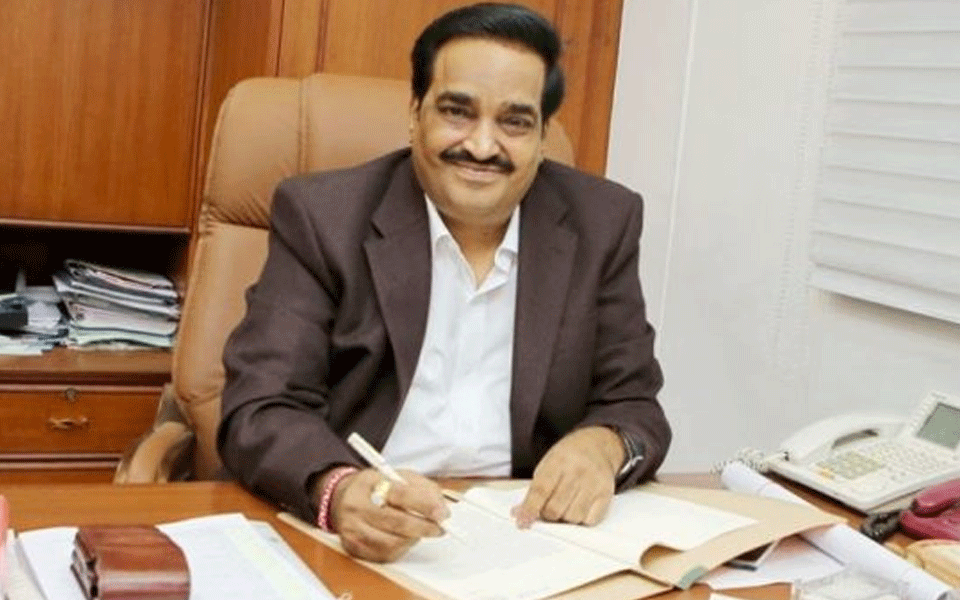
New Delhi, May 23: Two-time BJP MP C R Patil Thursday came close to surpassing the all-time victory margin in Lok Sabha polls as he won the Navsari seat in Gujarat by garnering 6.89 lakh more votes than his rival the highest margin in 2019 polls.
So far, the highest victory margin of 6.96 lakh votes in Lok Sabha polls belongs to Pritam Munde, who won the by-election to Beed seat in Maharashtra in October 2014. The by-poll was necessitated after the death of her father and senior BJP leader Gopitnath Munde.
Patil has party colleagues Sanjay Bhatia, Krishan Pal and Subhash Chandra Baheria in the 6 lakh-plus club, while about a dozen other candidates have won by over 5 lakh margin.
Prime Minister Narendra Modi widened his victory margin to 4.79 lakh votes when he defeated his nearest rival of Shalini Yadav of Samajwadi Party in Varanasi parliamentary constituency. In 2014, he had defeated Arvind Kejeriwal by 3.71 lakh votes.
Bharatiya Janata Party (BJP) President Amit Shah won his maiden Lok Sabha election by a huge margin of 5.57 lakh votes from Gandhinagar in Gujarat this elections, bettering senior party leader L K Advani's margin of 4.83 lakh votes in 2014.
The party got winners with huge margins primarily in Gujarat, Rajasthan, Delhi and Madhya Pradesh which it swept defeating nearest Congress rivals.
In the results declared by the Election Commission on Thursday, Sanjay Bhatia won the Karnal constituency in Haryana by a margin of 6.56 lakh votes, while his party colleague Krishan Pal won Faridabad in the same state by 6.38 lakh votes.
With his party sweeping Rajasthan, Subhash Chandra Baheria of the BJP won the Bhilwara seat in the state by 6.12 lakh votes.
Shankar Lalwani, who contested from Indore in Madhya Pradesh on BJP ticket after Lok Sabha Speaker Sumitra Mahajan opted out of the race, defeated his nearest Congress rival by a margin of 5.47 lakh votes. Mahajan, an eight-time Lok Sabha MP, had in 2014 had won the seat by 4.67 lakh votes.
Contesting for the first time, Ramakant Bhargava, standing in from Vidisha in Madhya Pradesh after External Affairs Minister Sushma Swaraj opted out, won by 5.03 lakh votes, a lakh vote higher than victory margin in 2014 elections.
In Gujarat's Vadodara, BJP Ranjanben Bhatt won by 5.87 lakh votes while in neighbouring Surat Darshana Vikram Jardosh won by 5.48 lakh votes.
In Madhya Pradesh's Hoshangabad constituency, Uday Pratap Singh returned to the Lok Sabha by a margin of 5.53 lakh votes.
Of the seven constituencies in the national capital, two BJP candidates emerged victorious by over 5 lakh votes -- Hans Raj Hans in North West Delhi (5.53 lakh) and Parvesh Verma in West Delhi (5.78 lakh).
C P Joshi of BJP won Chittorgarh seat in Rajasthan by a margin of 5.76 lakh and his colleague Diya Kumari from Jaipur royal family won by 5.51 lakh in Rajsamand constituency. General (Retd) V K Singh also won Ghaziabad seat by over 5 lakh votes.
During 2014 general elections, Prime Minister Narendra Modi won his Vadodara seat with the highest margin. He defeated his nearest rival by a huge margin of 5,70,128 votes. He, however, resigned from the seat and retained Varanasi parliamentary constituency where victory margin was 3,71,784.
The second-biggest victory margin was of General V K Singh (BJP) from Ghaziabad constituency with winning difference of 5,67,260 votes. Former army chief was followed by C R Patil (BJP), who won Navsari seat in Gujarat, with a margin of 5,58,116 votes.
Another BJP candidate Ramcharan Bohara won Jaipur seat with a vote margin of 5,39,345. Darshana Vikram Jardosh (BJP) won Surat, Gujarat, seat with a difference of 5,33,190 votes.
The sixth-highest victory margin crown was with CPM candidate Sankar Prasad Datta of Tripura West. He won the seat with a difference of 5,03,486 votes. Jitendra Chaudhury followed him by winning Tripura East seat by 4,84,358 votes.
BJP patriarch L K Advani won Gandhinagar, Gujarat, seat with a margin of 4,83,121. He was followed by another senior BJP leader Sumitra Mahajan, who defeated her rival by 4,66,901 in Indore, Madhya Pradesh.
Tenth biggest victory margin was of Krishan Pal (BJP), who defeated his opponent by 4,66,873 votes in Faridabad, Haryana.
Let the Truth be known. If you read VB and like VB, please be a VB Supporter and Help us deliver the Truth to one and all.
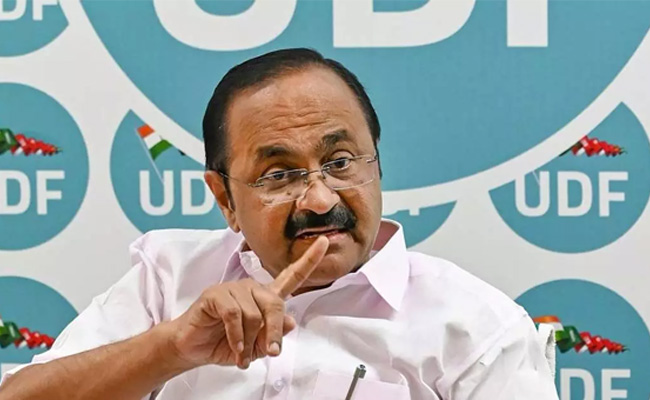
Accept Congress decision appointing V D Satheesan as Kerala CM: K C Venugopal
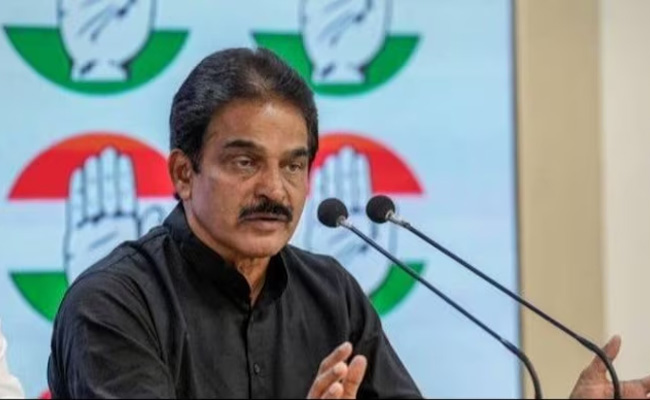
Thiruvananthapuram/New Delhi (PTI): Congress general secretary (organisation) K C Venugopal on Thursday accepted the party decision to select V D Satheesan as the chief minister of Kerala and congratulated him.
Speaking to reporters in New Delhi, Venugopal, who was one of the three persons being considered for the post, said he will provide all support to the CM and the UDF government in Kerala.
The decision comes more than 10 days after the results of the April Assembly polls in Kerala were declared.
The Congress-led UDF secured a more than two-thirds majority in the Kerala Assembly elections, but the party has been unable to decide its chief ministerial face due to lobbying by different camps and protests by workers at the ground level.
Besides, Satheesan and Venugopal, senior Congress leader Ramesh Chennithala was also in the race for the CM post.