BJP's policy blunders causing economic failure: Chidambaram
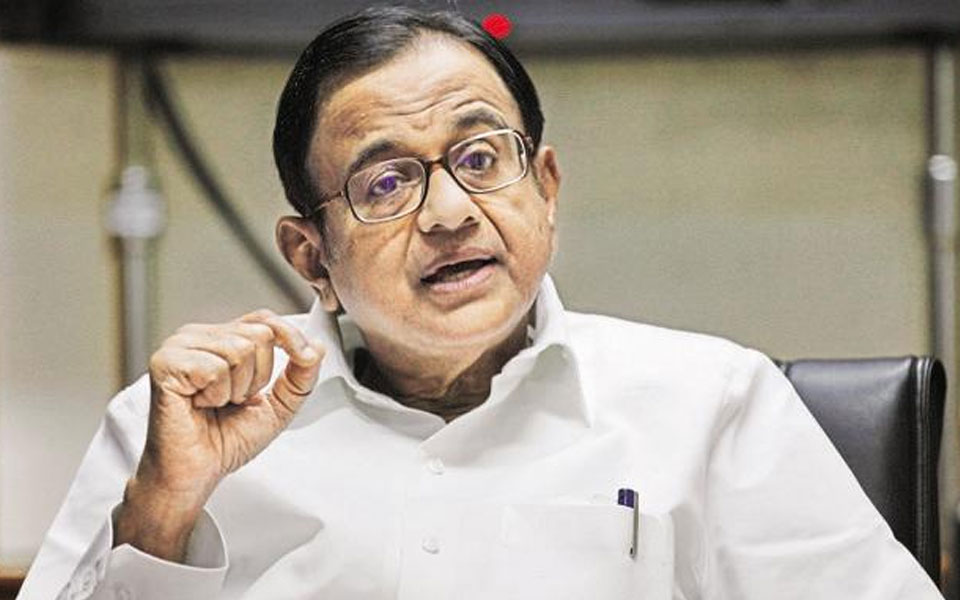
New Delhi, June 11 : Former Finance Minister P. Chidambaram on Monday said the BJP government's "administrative incompetence" and "policy blunders" were responsible for the rising farm distress, unemployment and failure of economy.
"Farmers' despondency has turned into anger and they have come to streets to protest," the senior Congress leader told reporters here.
"The principal reasons are uneconomic price for farm produce and stagnant wages of farm labour. MSP (Minimum Support Price) is not adequate. Every farmer knows that the promise of MSP = Cost + 50 per cent is a 'jumla'," he said.
Chidambaram said the Reserve Bank of India's confidence survey stated that 48 per cent felt that the economic situation of the country had worsened in the last 12 months.
He said unemployment was rampant in the country, which was "far cry" from the Bharatiya Janata Party's promised two crore jobs a year.
Chidambaram questioned why the Labour Bureau Survey for October-December 2017 not yet released.
Chidambaram said demonetisation had caused the growth rate to decline from 8.2 per cent in 2015-16 to 6.7 per cent in 2017-18.
"The Tamil Nadu government has officially acknowledged that 50,000 MSME units were shut down in the state in 2017-18; 5,00,000 jobs were lost; and capital investment in the MSME sector declined by Rs 11,000 crore," he said.
A flawed Goods and Services Tax continues to haunt trade and business, he added.
Chidambaram said the social security laws and programmes have been neglected by the BJP-led central government.
"The Food Security Act has not been implemented. MGNREGA is no longer demand-driven, wage arrears have mounted. Crop Insurance covers barely 30 per cent of farmers, it is a windfall for insurers. Health Protection Scheme is another 'jumla'," he said.
Let the Truth be known. If you read VB and like VB, please be a VB Supporter and Help us deliver the Truth to one and all.
West Asia: India supplied 22,000 MT of high-speed diesel to Bangladesh in March, says MEA
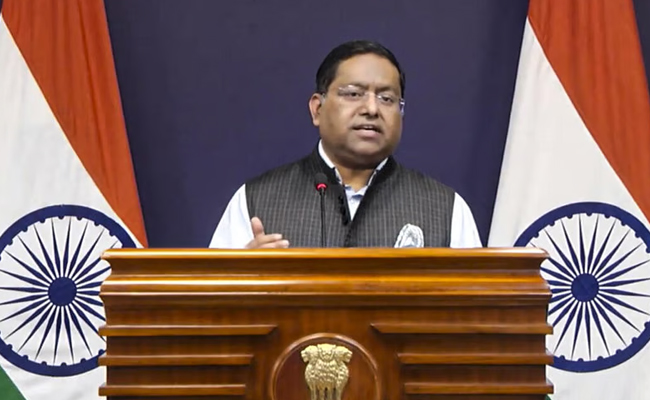
New Delhi (PTI): Amid the ongoing West Asia conflict, India has supplied 22,000 metric tonnes of high-speed diesel to Bangladesh in March and has received a request from Seychelles and the Maldives to meet their energy requirements, the MEA said on Friday.
At his weekly briefing, Ministry of External Affairs (MEA) spokesperson Randhir Jaiswal in his response to a query related to requests received from India's neighbouring countries for fuel amid the West Asia situation, also said that India is "finalising a government-to-government agreement" for the supply of oil and gas, which will play an important role in reinforcing energy security of Mauritius.
The conflict in West Asia has now stretched to nearly 50 days, with global ramifications.
"So, we have received requests from our neighbouring countries for supply of fuel, and these are being looked into, keeping in mind our own requirements, availability and refining capacity," Jaiswal told reporters.
He further said India has "supplied 22,000 metric tonnes of high-speed diesel to Bangladesh in March 2026, and further supplies have continued this month as well".
"You would recall that last month we had supplied 38 metric tonnes of petroleum products to Sri Lanka as well," he added.
External Affairs Minister S Jaishankar visited Mauritius last week, the MEA spokesperson said, adding, "We are finalising a government-to-government agreement for supply of oil and gas, which will play an important role in reinforcing the energy security of Mauritius".
As far as Nepal is concerned, there is an existing arrangement between Indian Oil Corporation and Nepal Oil Corporation to supply petroleum products to Nepal as per its requirements. The supplies are continuing without any interruption, he said.
Energy supplies to Bhutan also continue according to the existing arrangement.
"As I had mentioned earlier, we have received a request from Seychelles and the Maldives to meet their energy requirements. We continue to be in touch with them in this regard, and are considering the request keeping in mind our own domestic requirements and availability of fuel.
"I would also like to add that our neighbouring country governments have expressed appreciation for the uninterrupted supply, fuel supply to them during the West Asian conflict," Jaiswal said.
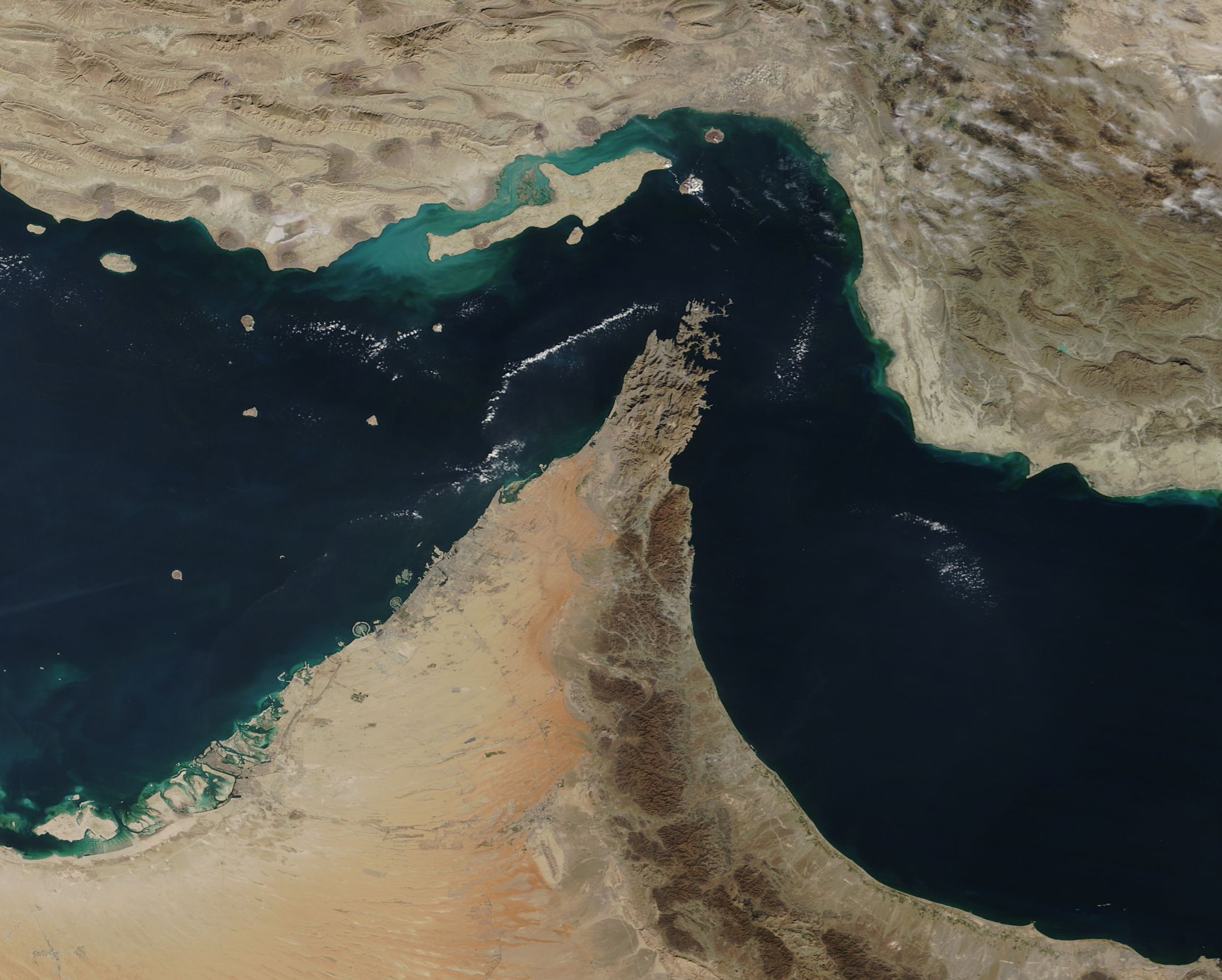
Global oil and gas prices surged after Iran restricted the transit of ships through the Strait of Hormuz, a narrow lane between the Persian Gulf and the Gulf of Oman that handles roughly 20 per cent of global oil and LNG trade.
_vb_59.jpeg)