BLO dies of stroke in Bengal, family links it to SIR work pressure

Kolkata (PTI): A booth-level officer (BLO) engaged by the Election Commission for the Special Intensive Revision (SIR) of electoral rolls died after suffering a brain stroke in West Bengal's Purba Bardhaman district, her husband claimed on Sunday, attributing the death indirectly to extreme mental stress caused by work pressure.
District officials said Namita Hansda (50) collapsed at her home in Memari late Saturday night due to "severe stress because of the mounting workload."
She was taken to Kalna Subdivisional Hospital, where doctors declared her brought dead.
Madhab Hansda, her husband, said Namita, an ICDS worker assigned as the BLO for booth No. 278 in Chak Balarampur area of Memari, was "worried a lot about meeting the target of completing the SIR exercise over a stipulated time."
However, a district official clarified that her death was due to medical reasons and no direct link could be established with her SIR duty.
Swapan Mondal, general secretary of 'Vote Kormi and BLO Aikya Manch' (Vote worker and BLO unity group) shot off a letter to the CEO Manoj Agarwal demanding Rs 50 lakh as compensation to the next of kin of the family of Hansda on humanitarian ground.
"She succumbed to death following excessive pressure of the assigned job. It is the responsibility off EC to stand by her family on compassionate ground," the forum said.
Let the Truth be known. If you read VB and like VB, please be a VB Supporter and Help us deliver the Truth to one and all.
Lebanon appoints new representative for talks with Israel, rejects linkage to Iran
Beirut: Lebanon’s has moved to underline its independent position in ongoing regional developments, amid attempts to link the country to the broader conflict involving Iran, the United States and Israel.
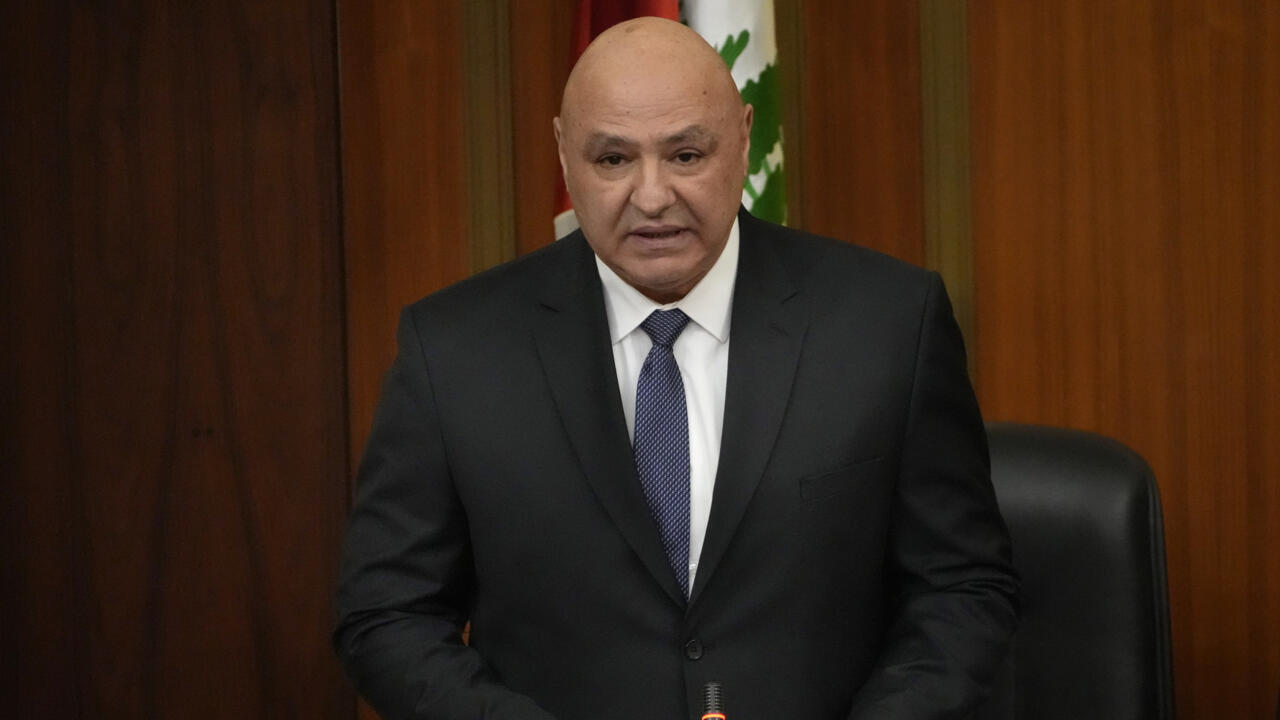
President Joseph Aoun, while announcing the appointment of former US ambassador Simon Karam as Lebanon’s representative in talks with Israel, made it clear that Karam would be the sole representative for Lebanon and that there would be no substitute.
The move comes in response to what the Lebanese officials see as efforts by Iran to tie Lebanon’s situation to the wider regional conflict. Iran had indicated that there would be no ceasefire involving the US, Israel and Iran unless it also included a ceasefire in Lebanon.
Some groups, including Hezbollah and its supporters, had expressed support for linking the situations, citing concerns that the Lebanese government has limited leverage in negotiations with Israel. Lebanon is not formally a party to the conflict, and its army is considered weak.
However, others, including Prime Minister Nawaf Salam, have opposed this approach. They view Iran’s stance as an attempt to influence Lebanon’s internal affairs and see it as undermining the country’s sovereignty.
Officials backing the government’s position say the move is aimed at reaffirming Lebanon’s sovereignty and ensuring that decisions about peace and ceasefire within the country are not dictated externally.
They also see it as a safeguard, so that any breakdown in talks between the US, Israel and Iran does not automatically lead to renewed conflict in Lebanon.