Bombay HC to begin final hearing in December on appeals against acquittal in Sohrabuddin Shaikh case
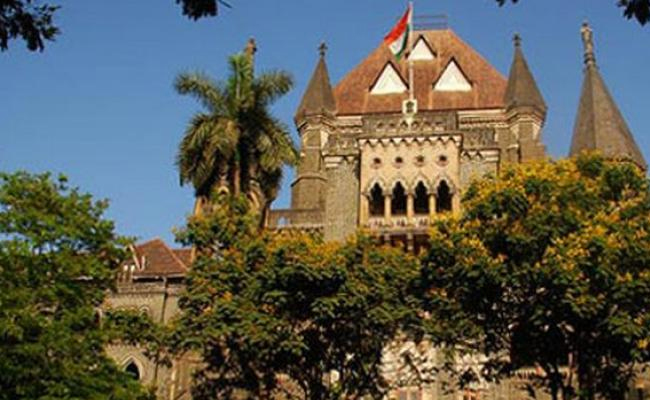
Mumbai: The Bombay High Court will hear final petitions against the acquittal of all 22 suspects in Sohrabuddin Shaikh's alleged staged encounter in December. The appeals were filed in 2019 by Shaikh’s brothers, Rubabuddin and Nayabuddin. They termed the trial “flawed” and challenged the clearance granted to police personnel from Gujarat, Rajasthan and Andhra Pradesh.
A division bench of Chief Justice Shree Chandrashekhar and Justice Gautam Ankhad noted on Wednesday that the matter had remained pending for years, with only four hearings held in the past three years, as reported by The Indian Express . The bench observed that some of the acquitted accused had not appeared before the court during these hearings.
The court directed the Central Bureau of Investigation, which probed the case, to issue fresh notices to those who have not been appearing through counsel. The notices are to be served through officers in charge of the concerned police stations. The matter is expected to be heard on December 5.
A special CBI court in Mumbai acquitted all 22 suspects in the deaths of Sohrabuddin Shaikh, his wife Kauser Bi, and his assistant Tulsiram Prajapati on December 21, 2018. The trial court ruled that the prosecution had failed to prove accusations of conspiracy, murder and evidence destruction. He stated that the case failed primarily because key witnesses became hostile and 92 of the 210 witnesses examined during the trial recanted their previous claims.
The case dates back to November 23, 2005, when Shaikh, then wanted in several cases, Kauser Bi and Prajapati were allegedly abducted from a luxury bus travelling from Hyderabad to Sangli. According to the CBI’s case, Shaikh and Kauser Bi were taken to Gujarat, while Prajapati was later shown as arrested in Rajasthan. Shaikh was killed soon after in what investigators alleged was a staged encounter, followed weeks later by Prajapati’s killing. The CBI had also told the trial court that Kauser Bi was murdered and her body disposed of.
Let the Truth be known. If you read VB and like VB, please be a VB Supporter and Help us deliver the Truth to one and all.
TN Assembly elections: Eight-month pregnant homemaker wins Thiru Vi Ka Nagar seat for TVK

Chennai (PTI): Before giving birth, she had already delivered a mandate—a symbol of hope for Thiru Vi Ka Nagar.
Echoing Delhi’s 2013 “common citizen” political churn associated with the rise of the Aam Aadmi Party (AAP), an eight-month-pregnant homemaker, M R Pallavi, has been elected as an MLA from Chennai’s Thiru Vi Ka Nagar constituency, emerging as one of the notable first-time faces of the Vijay-led TVK in the recently held Tamil Nadu Assembly elections.
In the narrow lanes of Thiru Vi Ka Nagar, a steady stream of media personnel has been making their way to Pallavi’s residence—a scene reminiscent of the result day in Delhi when journalists thronged the modest home of Rakhi Birla, who had won from Mangolpuri on an AAP ticket.
Pallavi, 36, a homemaker educated up to class XII, defeated the DMK candidate K S Ravichandran by a margin of 22,333 votes in the reserved Thiru Vi Ka Nagar Assembly constituency.
Tamilaga Vettri Kazhagam emerged as the single largest party by winning 108 seats, while DMK and AIADMK got 59 and 47, respectively.
Pallavi’s victory has drawn attention due to her personal circumstances. She campaigned extensively while eight months pregnant, going door-to-door to reach voters.
According to local accounts, she even fainted once during the campaign but continued her outreach.
She has not spoken to the media following her victory, as doctors have advised her to rest. Her husband, Rajesh, briefly recounted her campaign efforts.
A self-professed admirer of actor-turned-politician Vijay, Pallavi joined TVK soon after its formation and is now among its first-time legislators.
Doctors have advised her to be hospitalised around May 20, as she is expecting her second child. Ahead of that, voters in Thiru Vi Ka Nagar have entrusted her with representing them in the state Assembly.
Political observers say the rise of candidates like Pallavi signals a possible shift in Tamil Nadu’s political landscape, with voters backing a new party and candidates from non-traditional backgrounds.