Brutal torture before murder: Sarpanch beaten, urinated on in Maharashtra killing
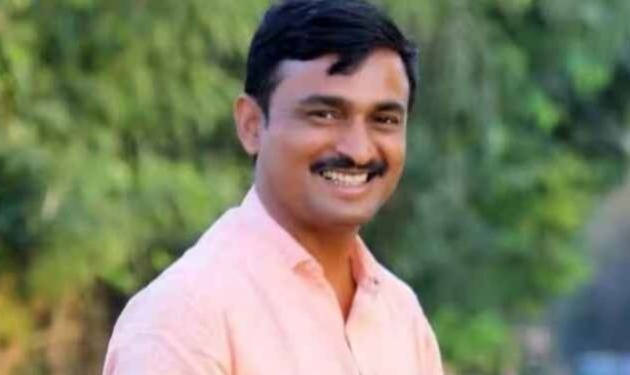
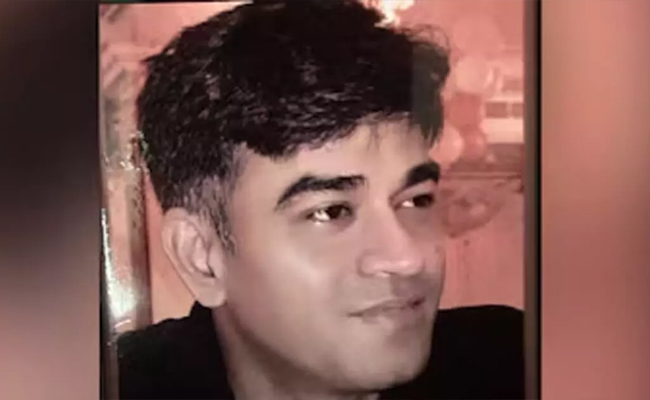
Mumbai: The shocking murder of Maharashtra village sarpanch Santosh Deshmukh has exposed a case of extreme brutality, with police revealing that he was tortured for over two hours before being killed. The accused, linked to a political extortion racket, recorded videos of the assault, showing them beating him with rods, urinating on him, and making video calls to document the crime.
Hours of brutality captured on video
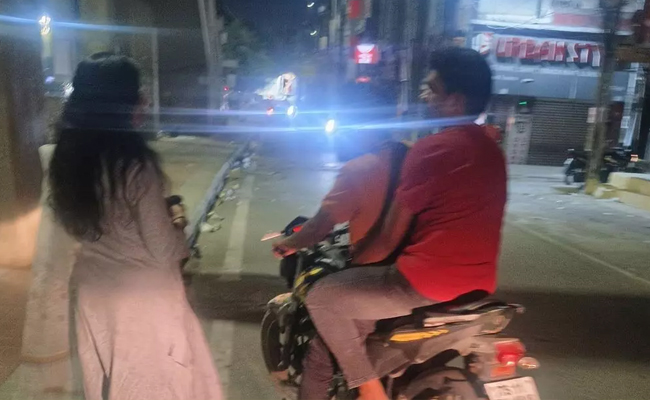
On 9 December 2024, Deshmukh was abducted from Dongaon toll plaza in Beed district by six men in an SUV. He was taken towards Kej taluka, where he was subjected to prolonged torture. According to the police chargesheet, he was beaten with an iron rod, gas pipe, wooden sticks, and sharp weapons for more than two hours.
The attackers filmed at least 15 videos and took eight photos of the assault. One of the videos shows five men thrashing Deshmukh with a white pipe and a wooden stick while he lay half-naked, bleeding profusely. Another video captures one of the accused urinating on him as he struggled for life. The attackers even made two video calls to document their actions in real-time.
Later that evening, Deshmukh was found unconscious at Daithna Shivar and was rushed to a hospital, where he was declared dead.
Extortion and political links
Deshmukh’s killing was linked to a ₹2 crore extortion attempt targeting Avaada, a Mumbai-based wind energy company operating in Beed’s Massajog village. He had opposed local criminal Sudarshan Ghule’s attempts to force the company to pay up, fearing it would drive away businesses and impact villagers' livelihoods. This resistance made him a target.
The police investigation named Walmik Karad, a close aide of then Maharashtra minister Dhananjay Munde, as the mastermind. Karad allegedly directed the accused to "eliminate anyone who came in the way of the extortion bid."
Political fallout and resignation
As chilling details emerged, the opposition demanded action. The 1,200-page Crime Investigation Department (CID) chargesheet and viral videos of the torture put immense pressure on the Maharashtra government. Chief Minister Devendra Fadnavis, after discussions with Deputy CM Ajit Pawar, moved to contain the damage, leading to Dhananjay Munde’s resignation.
Munde, in his resignation statement, called for the harshest punishment for the accused and cited personal health reasons for stepping down.
Caste tensions in Marathwada
The murder has also deepened caste tensions in the region. Deshmukh, a Maratha, had supported BJP leader Pankaja Munde in the last elections. Meanwhile, the accused—Karad, Ghule, and Vishnu Chate—are from the Vanjari community. Several Maratha leaders, including BJP’s Suresh Dhas, have since demanded justice for Deshmukh.
Let the Truth be known. If you read VB and like VB, please be a VB Supporter and Help us deliver the Truth to one and all.
Sujit Nair raises concerns over speculation of DMK-AIADMK understanding to block TVK
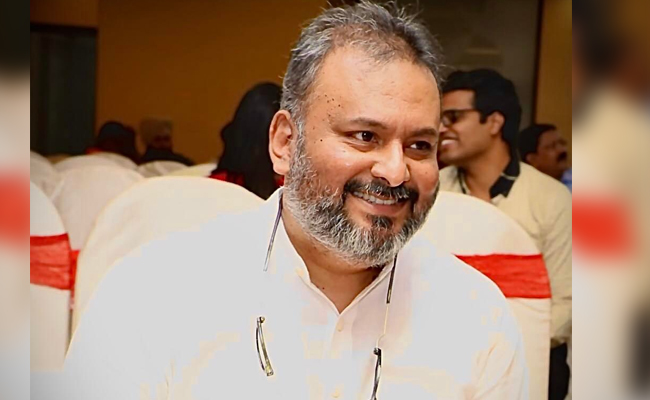
Chennai: Journalist and political commentator Sujit Nair has expressed concern over speculation that the Dravida Munnetra Kazhagam and the All India Anna Dravida Munnetra Kazhagam could explore a post-poll understanding to prevent Vijay-led Tamilaga Vettri Kazhagam from forming the government in Tamil Nadu.
In a social media post, Sujit Nair said the election verdict in Tamil Nadu reflected a clear public demand for political change and argued that the mandate should be respected irrespective of political preferences.
Referring to reports and political discussions surrounding a possible understanding between the DMK and AIADMK, he said he hoped such developments remained only speculative conversations and did not turn into reality.
Nair stated that if such an alliance were to take shape, it would raise serious questions about ideological politics in the country. He said TVK had emerged through a democratic electoral process and that the legitimacy to govern in a parliamentary democracy comes from the people’s verdict.
According to him, attempts to prevent an electoral winner from forming the government through unexpected political arrangements may be constitutionally valid, but many people could view them as politically opportunistic.
He further said that such a move could particularly affect the political image of the DMK, which has historically projected itself around ideology, social justice and opposition politics. Nair said that in ideological terms, the DMK appeared closer to TVK than to the AIADMK, and joining hands with its long-time political rival only to remain in power could weaken its broader political narrative.
He added that the same questions would apply to the AIADMK as well, as the party had spent decades positioning itself against the DMK and such an arrangement could create discomfort among its cadre and supporters.
Drawing a comparison with Maharashtra politics in 2019, Nair said he had expressed similar views when the Shiv Sena formed an alliance with the Indian National Congress and the Nationalist Congress Party after the Assembly elections.
He said post-poll alliances between long-standing political rivals often create a public perception that ideology and electoral mandates become secondary when political power equations come into play.
Nair also said such developments increase public cynicism towards politics and reinforce the belief among voters that ideology is often sidelined after elections.
He maintained that the Tamil Nadu verdict was emphatic and said respecting both the spirit and substance of the mandate was important for the credibility of democratic politics.