BSP-BJP alliance not possible, ideologies opposite: Mayawati
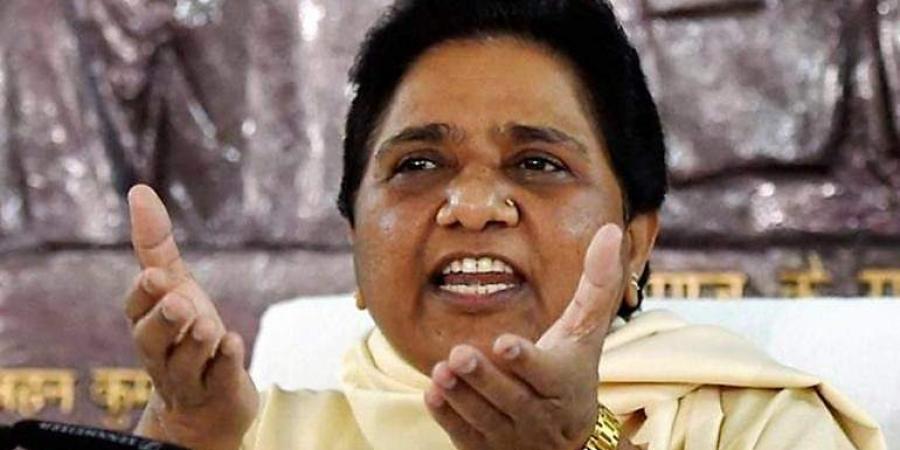
Lucknow: Bahujan Samaj Party president Mayawati asserted on Monday that her party would never enter into an alliance with the BJP in the assembly or the Lok Sabha elections, highlighting that the ideologies of the two parties were "opposite".
Mayawati alleged that the Samajwadi Party and the Congress were misusing her recent statement so that the Muslim community distances itself from the BSP.
She had said last week that to ensure the defeat of the SP candidates in future elections, including those of the legislative council and the Rajya Sabha, the BSP would vote for the Bharatiya Janata Party or any other party's candidate.
"The alliance of the BJP with the BSP is not possible in any polls in the future. The BSP cannot contest with the communal party," she said in a media briefing.
"Our ideology is of 'sarvajan sarva dharma hitay' (benefit of everyone and all religions)' and is opposite to the BJP's ideology," she said. "The BSP cannot enter into an alliance with those having communal, casteist, and capitalist ideology."
Mayawati said she would rather take 'sanyas' (retirement) from politics than ally with such parties. "I will fight on all fronts with the communal, casteist, and capitalist forces and not going to bow before anyone," she added.
The BSP leader reiterated that her party would ensure the defeat of the SP's second candidate in future legislative council polls.
"Our party will support the candidate of any party, including the BJP, which is strong to defeat the second candidate of the SP," she said. "I stand by my earlier statement, which is misused by the SP and the Congress for political gains so that the Muslim community distances itself from the party."
Let the Truth be known. If you read VB and like VB, please be a VB Supporter and Help us deliver the Truth to one and all.
Remarks against St Francis Xavier: Right-wing speaker Gautam Khattar gets bail
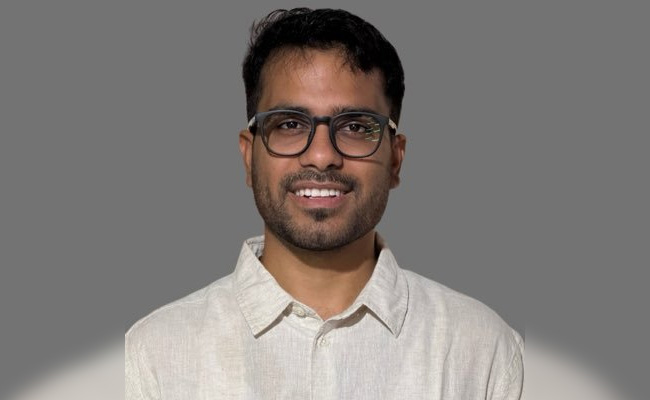
Panaji (PTI): A court in Goa on Saturday granted bail to right-wing speaker Gautam Khattar, who was arrested after he allegedly made derogatory comments against St Francis Xavier.
Judicial Magistrate First Class, Vasco, granted regular bail to Khattar, currently admitted to Goa Medical College and Hospital at Bambolim for treatment of chest pain after he was shifted from the District Hospital in Mapusa two days back.
A row erupted after a video of remarks by Khattar, the founder of Sanatan Mahasangh, at an event on April 18 in the presence of Swami Brahmeshanand, State Transport Minister Mauvin Godinho and BJP MLAs Sankulp Amonkar and Daji (Krishna) Salkar, went viral.
St Francis Xavier is revered as the patron saint of Goa.
The controversial remarks led to the Vasco Police registering an FIR against Khattar on charges of hurting religious sentiments and creating enmity between groups.
He was detained in Kullu, Himachal Pradesh, by local police. His custody was later handed over to the Goa Crime Branch, according to officials.