Budget session likely from Jan 28; Budget on Feb 1
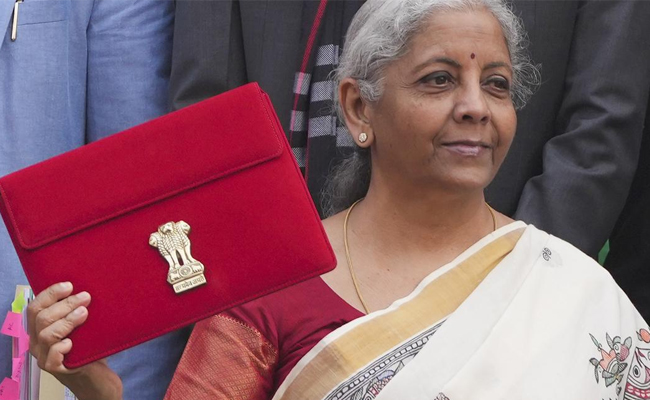
New Delhi (PTI): The Budget session of Parliament is likely to commence on January 28 and the Union Budget is set to be tabled on February 1, a Sunday.
Officials, citing the tentative schedule finalised by the Cabinet Committee on Parliamentary Affairs, said on Friday that President Droupadi Murmu will address a joint sitting of the two Houses on January 28.
The customary address of the President takes place on the first day of the first Parliament session of the year.
The two Houses will not meet on January 29 due to the Beating Retreat ceremony.
Parliament will sit on January 30 when the Economic Survey is likely to be tabled.
On January 31, the Lok Sabha and the Rajya Sabha will not meet.
The Union Budget is set to be tabled on February 1, a Sunday.
After discussions on the Motion of Thanks on the President's address and Union Budget, Parliament will adjourn for a near month-long recess on February 13.
Parliament will reconvene on March 9 and the session will conclude on April 2, a Thursday.
Usually Parliament is adjourned on a Friday but keeping in mind Good Friday on April 3 and the subsequent weekend, the session could conclude on April 2, officials said.
The recess in the Budget session helps department-related standing committees to examine demands for grants of various Union ministries and departments.
Let the Truth be known. If you read VB and like VB, please be a VB Supporter and Help us deliver the Truth to one and all.
4 workers die after being buried under coal slurry in Jharkhand's Dhanbad
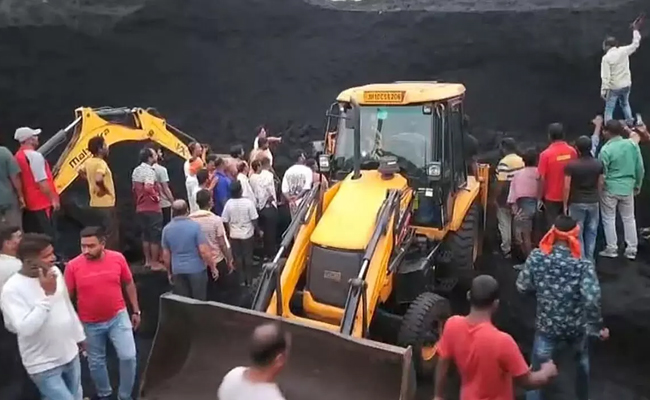
Dhanbad (Jharkhand) (PTI): At least four workers died after being buried under coal slurry in Jharkhand's Dhanbad district on Saturday, a police official said.
The incident took place at Moonidih coal washery in the command area of Bharat Coking Coal Limited (BCCL).
"Bodies of all four workers were dug out of debris during a rescue operation," Putki police station in-charge Waqar Hussain told PTI.
The incident took place when coal slurry was being loaded into trucks by workers, during which a large chunk of slurry fell and trapped several workers underneath, officials said.
The deceased have been identified as Manik Bauri, Dinesh Bauri, Deepak Bauri, and Hemlal Gope.
Meanwhile, the family members of the deceased and local villagers placed the bodies in front of the washery gate and began a protest.
They demanded compensation, jobs for dependents and action against those responsible for the incident.
Police and administration officials are trying to pacify the protesters, an official said.