Bulk diesel price hike rolled back for Gujarat fishermen: Minister
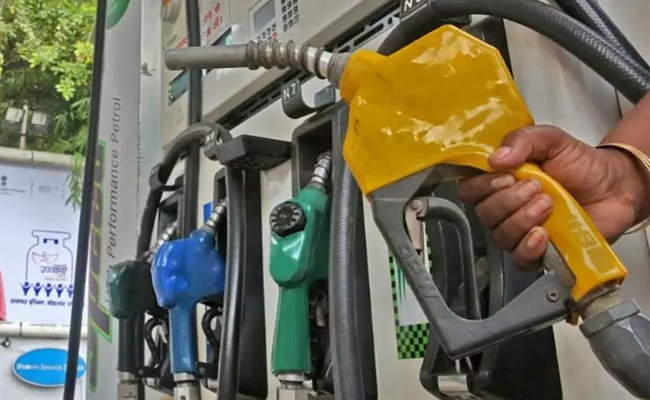
Gandhinagar (PTI): The latest hike in bulk diesel prices has been withdrawn for Gujarat’s fishermen after the state took up the matter with the Centre, Fisheries Minister Jitu Vaghani said.
The price of premium or higher-grade petrol was increased on Friday by Rs 2 per litre, while the rate of bulk diesel sold to industrial users was hiked by Rs 22.43 a litre, reflecting the spike in global oil prices amid the West Asia conflict.
Vaghani on Saturday said the Gujarat government had urged the Centre to offer relief to the fisheries sector by considering a “special exception” and withdrawing the increase of Rs 22.43 per litre in the price of bulk diesel used in fishermen’s boats.
ALSO READ: Official's suicide: Former Punjab minister Bhullar, his father, among 3 booked
The state urged that fishermen be considered on par with retail customers, he said.
“Under the guidance of Prime Minister Narendra Modi, the Centre has accepted this reasonable representation of the fishermen of Gujarat. The Centre has instructed Bharat Petroleum to withdraw the increase of Rs 22.43 in the price of diesel used in fishermen’s boats, an official release said.
“So, the fishermen of the state will now receive diesel at the previously decided concessional rate,” it added.
The Gujarat government had signed a pact with the public sector undertaking Bharat Petroleum to ensure diesel for fishermen at a discounted price. However, the PSU recently increased the diesel price for fishermen by Rs 22.43 per litre.
“A representation was made to Vaghani, MLAs, local leaders and various fisheries organisations. Considering the seriousness of the matter, Vaghani, under the guidance of the chief minister, made a representation to the Centre to intervene in the matter,” the release said.
Let the Truth be known. If you read VB and like VB, please be a VB Supporter and Help us deliver the Truth to one and all.
Lebanon appoints new representative for talks with Israel, rejects linkage to Iran
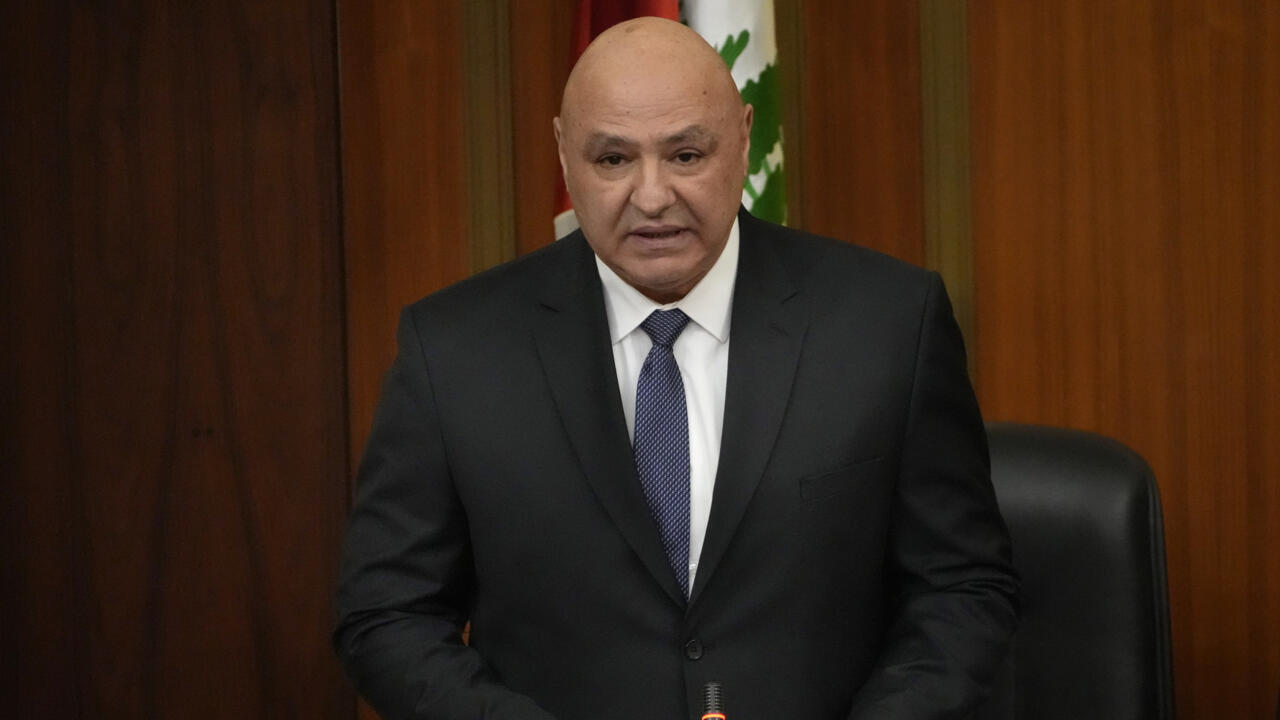
Beirut: Lebanon’s has moved to underline its independent position in ongoing regional developments, amid attempts to link the country to the broader conflict involving Iran, the United States and Israel.
President Joseph Aoun, while announcing the appointment of former US ambassador Simon Karam as Lebanon’s representative in talks with Israel, made it clear that Karam would be the sole representative for Lebanon and that there would be no substitute.
The move comes in response to what the Lebanese officials see as efforts by Iran to tie Lebanon’s situation to the wider regional conflict. Iran had indicated that there would be no ceasefire involving the US, Israel and Iran unless it also included a ceasefire in Lebanon.
Some groups, including Hezbollah and its supporters, had expressed support for linking the situations, citing concerns that the Lebanese government has limited leverage in negotiations with Israel. Lebanon is not formally a party to the conflict, and its army is considered weak.
However, others, including Prime Minister Nawaf Salam, have opposed this approach. They view Iran’s stance as an attempt to influence Lebanon’s internal affairs and see it as undermining the country’s sovereignty.
Officials backing the government’s position say the move is aimed at reaffirming Lebanon’s sovereignty and ensuring that decisions about peace and ceasefire within the country are not dictated externally.
They also see it as a safeguard, so that any breakdown in talks between the US, Israel and Iran does not automatically lead to renewed conflict in Lebanon.