Campbell Wilson appointed CEO and MD of Air India
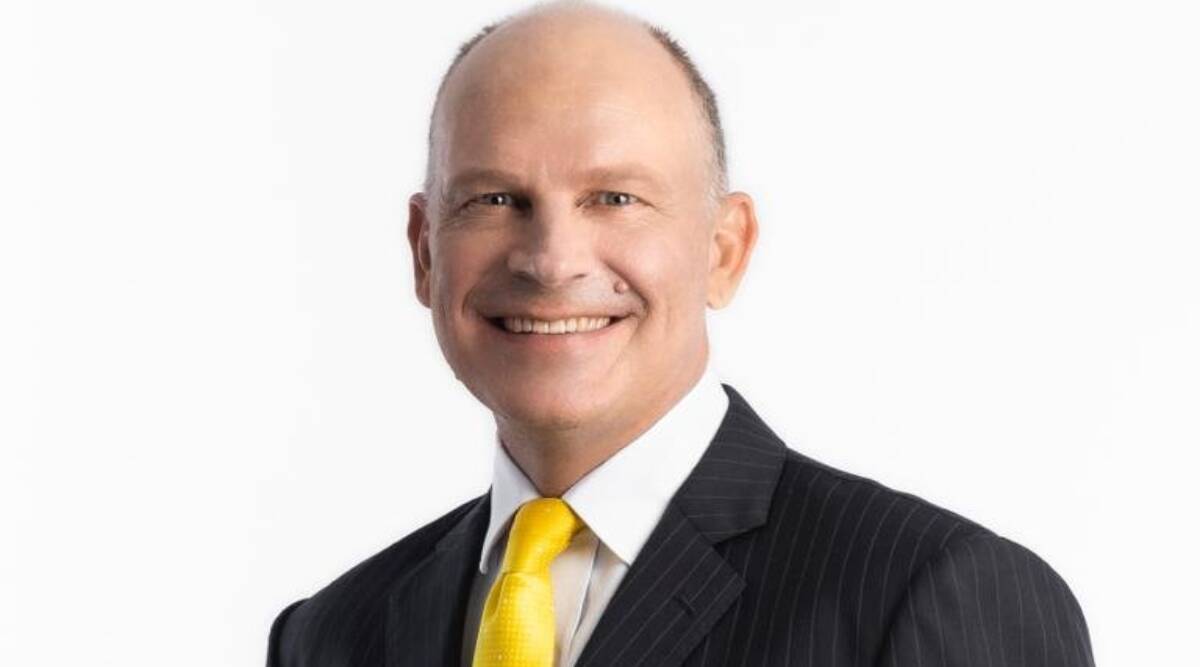
Mumbai, May 12: Tata Sons on Thursday announced the appointment of Campbell Wilson as the Chief Executive Officer and Managing Director (MD) of Air India.
The Air India board approved the appointment of Wilson subject to requisite regulatory approvals, the company said in a statement.
Wilson, 50, is the CEO of Scoot, the wholly-owned low-cost subsidiary of Singapore Airlines. He has 26 years of aviation industry expertise across both full service and low-cost airlines, it added.
Tata Sons and Air India Chairman N Chandrasekaran said, "I am delighted to welcome Campbell to Air India. He is an industry veteran having worked in key global markets cutting across multiple functions. Further, Air India would benefit from his added experience of having built an airline brand in Asia. I look forward to working with him in building a world-class airline."
Earlier in February this year, Tata Sons had announced the appointment of former chairman of Turkish Airlines Ilker Ayci as the CEO and MD of Air India. However, he declined to take up the position amid controversies over his views related to India.
Let the Truth be known. If you read VB and like VB, please be a VB Supporter and Help us deliver the Truth to one and all.
Congress using hijab issue to pacify minority anger, alleges Karnataka LoP R Ashoka
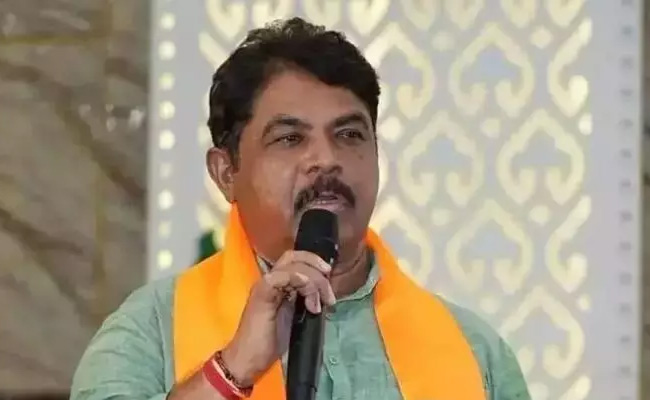
Bengaluru: Leader of Opposition in the Assembly R. Ashoka has accused the Congress government of using the hijab issue to placate what he described as discontent among minority voters after the Davanagere by-election.
In a post on X on Wednesday, Ashoka alleged that the state government, instead of addressing issues such as price rise, corruption, farmers’ distress and law and order, was attempting to retain its minority vote base by reviving the hijab issue.
Referring to the 2022 dress code introduced by the BJP government, which prohibited hijab in schools and colleges, Ashoka said the Karnataka High Court had upheld the policy and emphasised the importance of discipline in educational institutions.
He questioned the Congress government’s move to revisit the issue and asked whether setting aside the court-backed policy to benefit one community could be described as secularism.
Ashoka further alleged that while the government was willing to permit hijab, it continued to prohibit saffron shawls.
He accused the government of dividing students on religious lines rather than treating schools and colleges as spaces of equality.
Drawing a comparison with Mamata Banerjee’s government in West Bengal, Ashoka claimed that excessive appeasement politics had harmed the state and warned that the Congress in Karnataka could face a similar political response.
He said voters in Karnataka would teach the Congress a lesson for what he termed “vote-bank politics” and for compromising constitutional and judicial principles.