CBI takes over probe into death of former Punjab DGP Mohammad Mustafa’s son
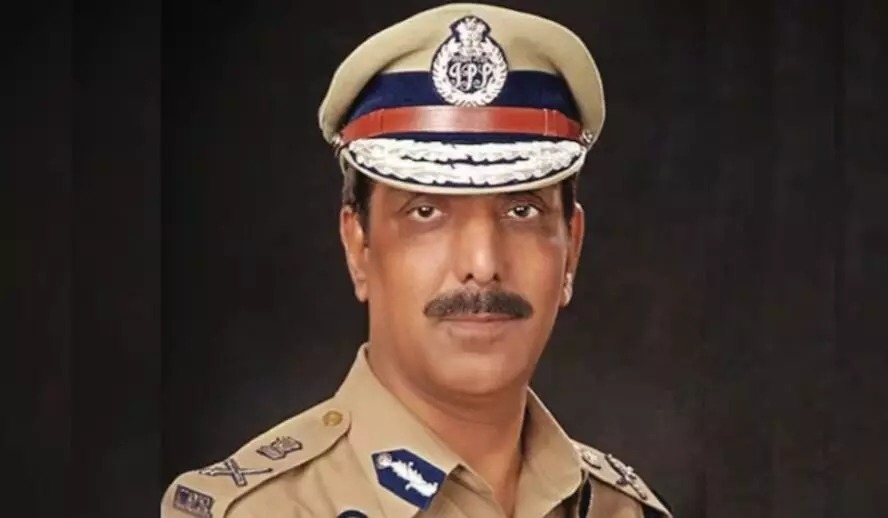
Panchkula: The Central Bureau of Investigation has taken over the inquiry into the death of Aqil Akhter, son of former Punjab Director General of Police Mohammad Mustafa and former state minister Razia Sultana. Aqil was found dead in Panchkula on October 16 under circumstances that the family and police records describe as suspicious.
A CBI spokesperson said on Thursday that an FIR has been registered against Mustafa, Razia Sultana, their daughter, and daughter-in-law under Sections 103(1) and 61 of the Bharatiya Nyaya Sanhita. According to The Indian Express, the agency said the case was taken over after the Haryana government recommended a central investigation.
On October 20, a complaint filed at Panchkula's Mansa Devi Complex Police Station and the Haryana Police had earlier booked the four under charges of murder and criminal conspiracy. Later the case was referred to the CBI for further inquiry, before the investigation.
According to the agency, investigators are looking into family disputes that were reportedly ongoing. Aqil had, in a video posted on social media on August 27, claimed that he had discovered a relationship between his father and his own wife, and had alleged that members of his family were planning either to harm him or implicate him in a case.
The CBI has begun collecting digital records and forensic material and is expected to question those named in the FIR, while further action will follow once preliminary evidence is reviewed.
Let the Truth be known. If you read VB and like VB, please be a VB Supporter and Help us deliver the Truth to one and all.
Lebanon appoints new representative for talks with Israel, rejects linkage to Iran
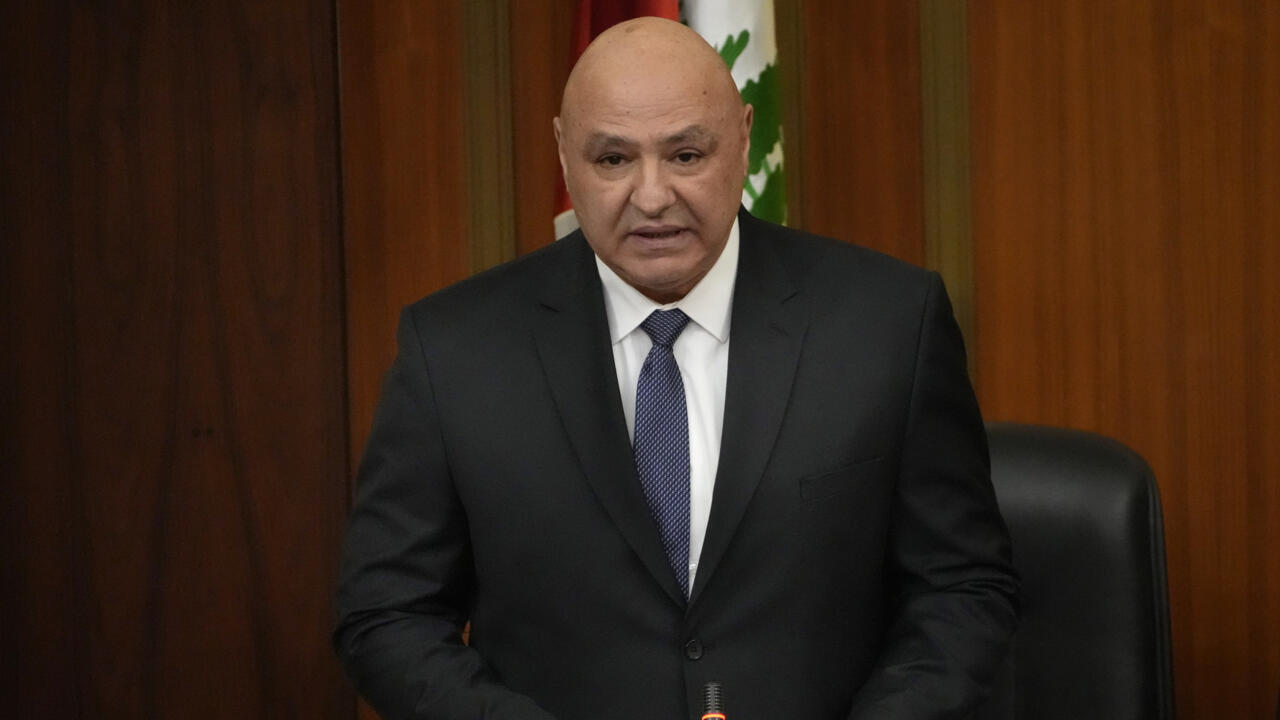
Beirut: Lebanon’s has moved to underline its independent position in ongoing regional developments, amid attempts to link the country to the broader conflict involving Iran, the United States and Israel.
President Joseph Aoun, while announcing the appointment of former US ambassador Simon Karam as Lebanon’s representative in talks with Israel, made it clear that Karam would be the sole representative for Lebanon and that there would be no substitute.
The move comes in response to what the Lebanese officials see as efforts by Iran to tie Lebanon’s situation to the wider regional conflict. Iran had indicated that there would be no ceasefire involving the US, Israel and Iran unless it also included a ceasefire in Lebanon.
Some groups, including Hezbollah and its supporters, had expressed support for linking the situations, citing concerns that the Lebanese government has limited leverage in negotiations with Israel. Lebanon is not formally a party to the conflict, and its army is considered weak.
However, others, including Prime Minister Nawaf Salam, have opposed this approach. They view Iran’s stance as an attempt to influence Lebanon’s internal affairs and see it as undermining the country’s sovereignty.
Officials backing the government’s position say the move is aimed at reaffirming Lebanon’s sovereignty and ensuring that decisions about peace and ceasefire within the country are not dictated externally.
They also see it as a safeguard, so that any breakdown in talks between the US, Israel and Iran does not automatically lead to renewed conflict in Lebanon.