CEC Rajiv Kumar says poll data system robust, nothing can go wrong
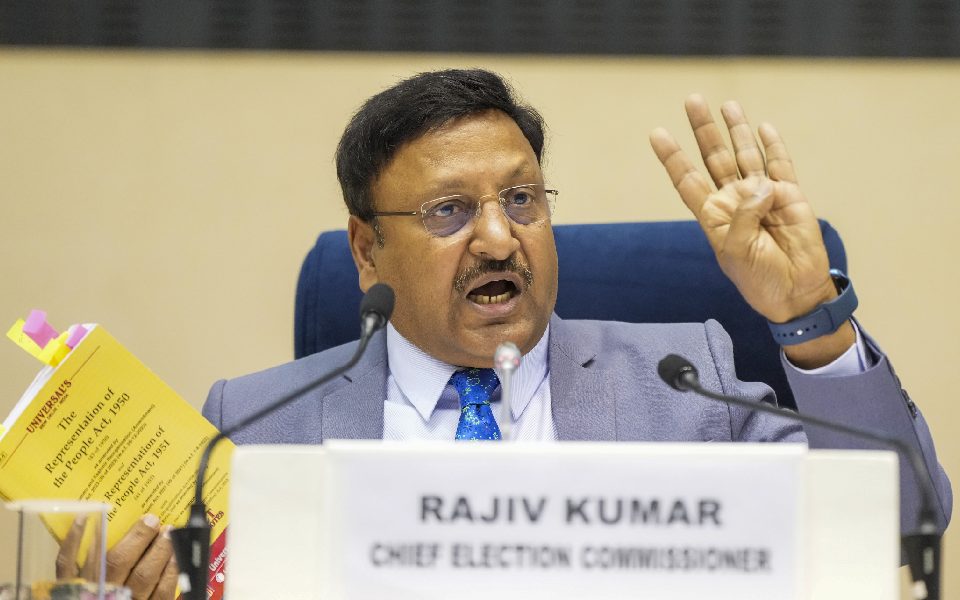
New Delhi, Feb 12 (PTI): Chief Election Commissioner Rajiv Kumar on Wednesday asserted that that the system of poll data is robust with in-buit "red flags" which ensure that "nothing can go wrong".
His remarks came amid allegations of data fudging in the Lok Sabha and assembly elections.
Addressing an even here to launch the 'Lok Sabha 2024 Atlas', Kumar said lakhs of officials including booth level officers feed data. "...As a design nothing can go wrong ... the system throws up red flags," he said.
Kumar asserted that this makes EC "extremely confident" that nothing can wrong. He said if someone makes an error, the system won't accept it.
Besides allegations on voters' list, there have been allegations regarding spike in the voter turnout around the time when voting concludes.
Atlas-2024 provides detailed information on various aspects of elections and election results.
EC said the document is in line with its commitment to maximum transparency, accessibility, and greater disclosure of election-related data.
The 2024 parliamentary election was conducted over seven phases, with polling completed in 44 days across a total of 10.5 lakh polling stations.
Let the Truth be known. If you read VB and like VB, please be a VB Supporter and Help us deliver the Truth to one and all.
Activists write open letter to Odisha govt flagging anti-Christian violence
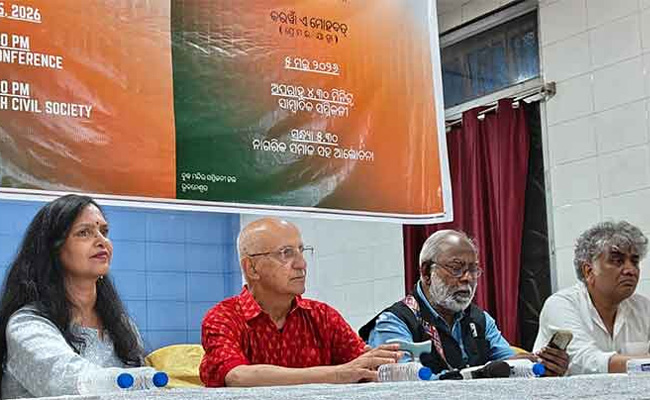
New Delhi: Activists and rights campaigners John Dayal, Aakar Patel, Vidya Dinker and Harsh Mander have expressed serious concern over the alleged rise in violence and intimidation against Christians in several districts, accusing both Hindutva organisations and sections of the police of targeting the minority community.
In a strongly worded communication addressed to the state administration, the signatories said they had received disturbing testimonies from affected people regarding social boycott, denial of burial rights, physical assaults and police intimidation.
According to the activists, Christians in some areas were allegedly boycotted by villagers, while people who traded with them, employed them or provided them shelter were also targeted.
The letter also highlighted what it described as “gruesome” incidents involving the prevention of burials of Christians within village burial grounds and even on privately owned lands belonging to Christian families. The activists said there were cases where bodies remained unburied for days due to opposition from local groups, while in some instances burials were allegedly forced to take place in forest areas outside village limits. Funeral prayers were also reportedly disrupted.
The signatories further alleged that in certain districts the violence escalated into physical assaults on Christians. They claimed that some victims were tied to trees and beaten, while others were allegedly placed inside sacks and assaulted. The letter also mentioned a few reported instances of sexual violence and attempts to burn people alive, which, according to them, were stopped at the last moment.
Expressing particular concern, the activists said many victims had testified that police personnel joined hands with Hindutva organisations to force Christians into signing “compromise” agreements. These agreements allegedly required them to give up their faith and stop collective worship.
The letter also accused the police of registering serious criminal cases against victims of attacks instead of taking action against the attackers. According to the signatories, many of those attacked were detained in police stations and jails, while in some cases the police themselves allegedly played a direct role in intimidation and violence against Christians.
Stating that there appeared to be a “complete breakdown in the constitutional machinery of the state” in relation to Christian minorities, the activists urged the administration to uphold and protect the constitutional and religious rights of all citizens without discrimination based on religion, caste or creed.
The letter was signed by John Dayal, Aakar Patel, Vidya Dinker and Harsh Mander.