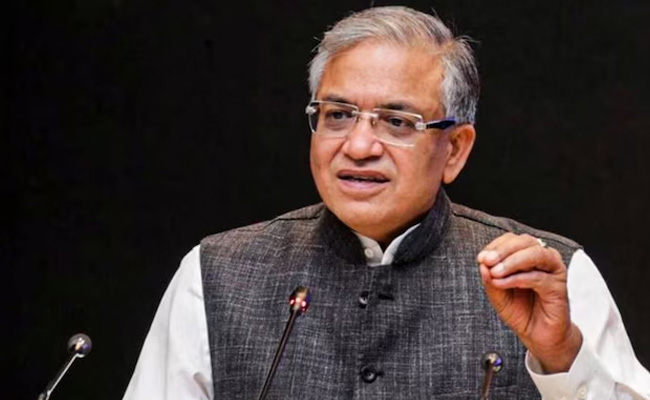
Centre allows pause in environmental clearance validity during court stays, experts raise concerns

New Delhi: The Union environment ministry has decided that the period during which infrastructure projects remain stalled due to court proceedings or cases before the National Company Law Tribunal will not be counted towards the expiry of their environmental clearances. The move is expected to benefit several large projects currently held up in litigation, including the Great Nicobar Holistic Development Project.
The decision, issued through an office memorandum on October 30, states that delays caused by legal challenges are beyond the control of project developers, and often lead to environmental clearances expiring before construction or production can begin. Under existing rules, if a project does not start operations or complete construction within the validity period of the clearance, a fresh clearance is required which is a process that can add further delays.
The ministry said the validity period will now be adjusted to exclude the duration of litigation or insolvency proceedings, effectively treating that time as “zero period” for calculating the clearance validity. The change, it said, is intended to “rationalise” the timeline so that project proponents are not penalised for delays arising from legal disputes.
However, where litigation-related delays stretch beyond three years, state pollution control boards will be required to review site conditions and may add additional safeguards at the stage of issuing Consent to Operate.
The decision comes even as key projects under litigation continue to face scrutiny. The Great Nicobar project is under challenge before the National Green Tribunal, while several hydropower projects in Uttarakhand have remained stayed by the Supreme Court since 2013.
Mallika Bhanot who is a member of the Ganga Ahvaan collective has criticised the relaxation, saying that in regions such as Uttarakhand, where landscapes have changed significantly due to repeated disasters, an older clearance may no longer reflect current ecological realities. “To consider earlier clearances as valid in a post-disaster Himalayan state will have severe ramifications,” she said.
Debadityo Sinha of the Vidhi Centre for Legal Policy said the new provision alters a core condition laid out in the Environment Impact Assessment Notification, 2006, which has the force of law under the Environment (Protection) Act. “An office memorandum cannot override a statutory notification,” he said, adding that the move could dilute accountability and allow projects previously flagged for violations to benefit from ongoing stays.
Let the Truth be known. If you read VB and like VB, please be a VB Supporter and Help us deliver the Truth to one and all.
Lebanon appoints new representative for talks with Israel, rejects linkage to Iran
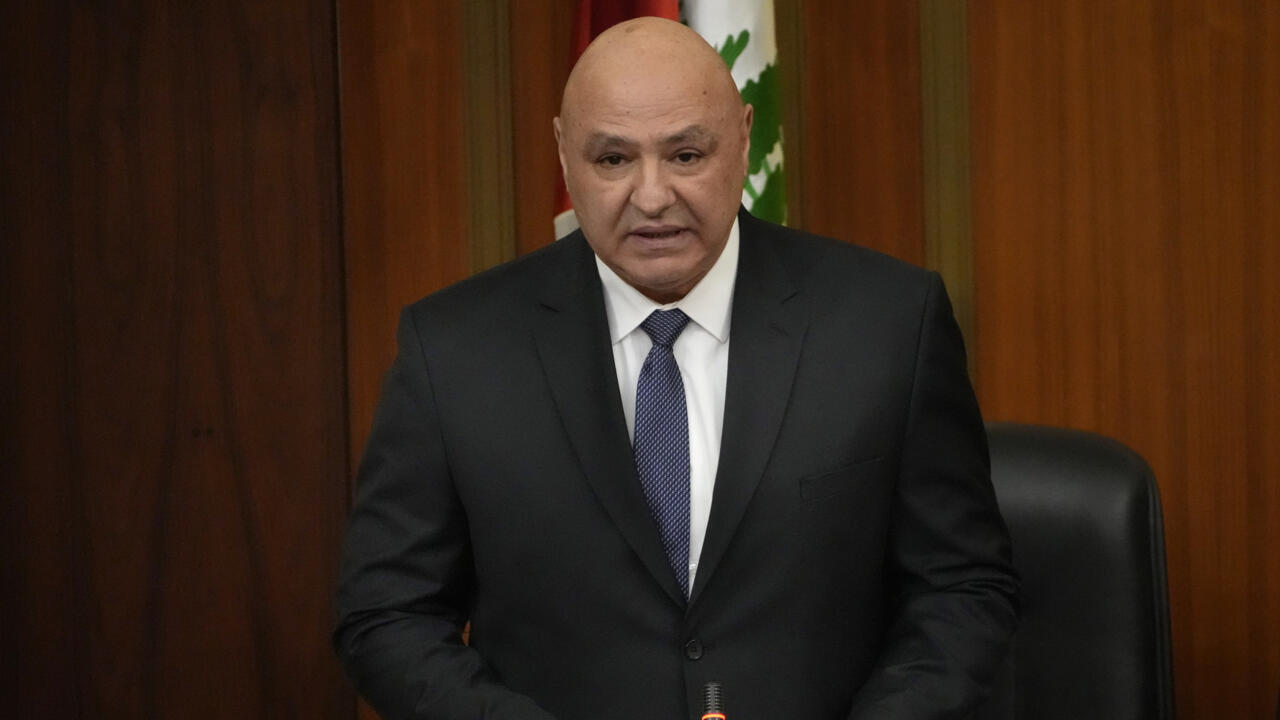
Beirut: Lebanon’s has moved to underline its independent position in ongoing regional developments, amid attempts to link the country to the broader conflict involving Iran, the United States and Israel.
President Joseph Aoun, while announcing the appointment of former US ambassador Simon Karam as Lebanon’s representative in talks with Israel, made it clear that Karam would be the sole representative for Lebanon and that there would be no substitute.
The move comes in response to what the Lebanese officials see as efforts by Iran to tie Lebanon’s situation to the wider regional conflict. Iran had indicated that there would be no ceasefire involving the US, Israel and Iran unless it also included a ceasefire in Lebanon.
Some groups, including Hezbollah and its supporters, had expressed support for linking the situations, citing concerns that the Lebanese government has limited leverage in negotiations with Israel. Lebanon is not formally a party to the conflict, and its army is considered weak.
However, others, including Prime Minister Nawaf Salam, have opposed this approach. They view Iran’s stance as an attempt to influence Lebanon’s internal affairs and see it as undermining the country’s sovereignty.
Officials backing the government’s position say the move is aimed at reaffirming Lebanon’s sovereignty and ensuring that decisions about peace and ceasefire within the country are not dictated externally.
They also see it as a safeguard, so that any breakdown in talks between the US, Israel and Iran does not automatically lead to renewed conflict in Lebanon.