Centre bans apps, website, social media accounts of Punjab Politics TV
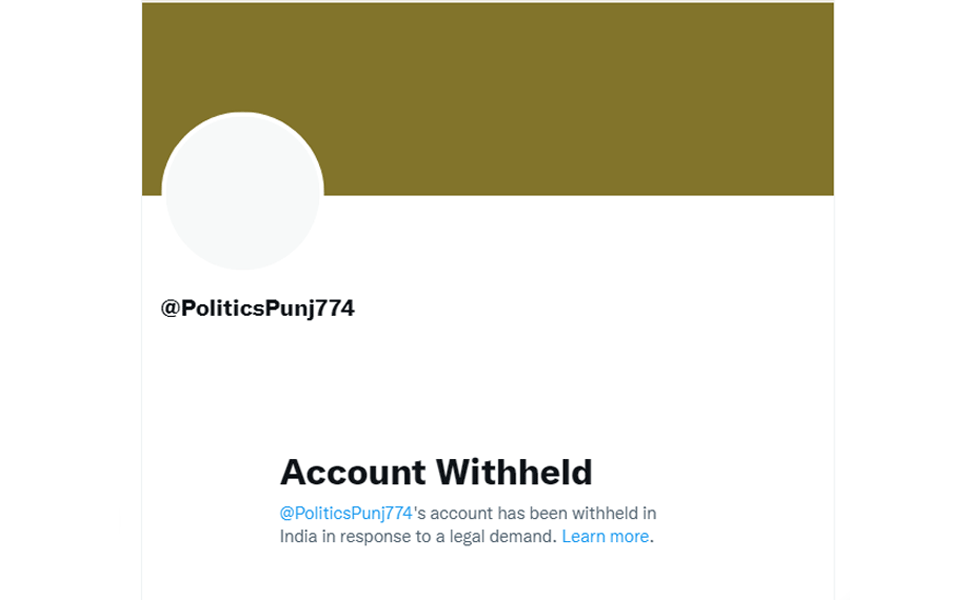
New Delhi(PTI): The Ministry of Information and Broadcasting on Tuesday blocked applications, website and social media accounts of foreign-based 'Punjab Politics TV', which is linked to banned organisation Sikhs For Justice (SFJ), for allegedly attempting to use an online platform to disturb public order during assembly elections.
The SFJ has been declared unlawful under the Unlawful Activities (Prevention) Act, 1967.
Relying on intelligence inputs that the channel was attempting to use online media to disturb public order during the ongoing State Assembly Elections, the Ministry used emergency powers under the IT Rules on February 18 to block the digital media resources of 'Punjab Politics TV', it said.
The ministry noted that the content of the blocked apps, websites and social media accounts had had the potential to incite communal disharmony, separatism and were found to be detrimental to the sovereignty and integrity of India, security of the state, and public order.
It was also observed that the launch of new apps and social media accounts was timed to gain traction during the ongoing elections.
Government of India remains vigilant and committed to secure the overall information environment in India and thwart any actions having the potential to undermine India's sovereignty and integrity, the ministry said.
Assembly polls were held in Punjab on February 20 and the results will be declared on March 10.
Let the Truth be known. If you read VB and like VB, please be a VB Supporter and Help us deliver the Truth to one and all.
Congress using hijab issue to pacify minority anger, alleges Karnataka LoP R Ashoka
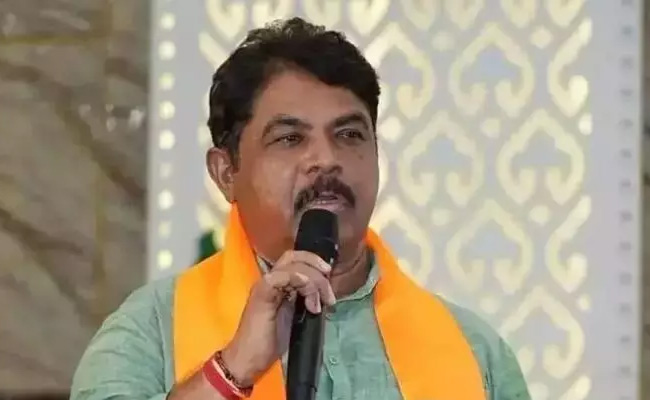
Bengaluru: Leader of Opposition in the Assembly R. Ashoka has accused the Congress government of using the hijab issue to placate what he described as discontent among minority voters after the Davanagere by-election.
In a post on X on Wednesday, Ashoka alleged that the state government, instead of addressing issues such as price rise, corruption, farmers’ distress and law and order, was attempting to retain its minority vote base by reviving the hijab issue.
Referring to the 2022 dress code introduced by the BJP government, which prohibited hijab in schools and colleges, Ashoka said the Karnataka High Court had upheld the policy and emphasised the importance of discipline in educational institutions.
He questioned the Congress government’s move to revisit the issue and asked whether setting aside the court-backed policy to benefit one community could be described as secularism.
Ashoka further alleged that while the government was willing to permit hijab, it continued to prohibit saffron shawls.
He accused the government of dividing students on religious lines rather than treating schools and colleges as spaces of equality.
Drawing a comparison with Mamata Banerjee’s government in West Bengal, Ashoka claimed that excessive appeasement politics had harmed the state and warned that the Congress in Karnataka could face a similar political response.
He said voters in Karnataka would teach the Congress a lesson for what he termed “vote-bank politics” and for compromising constitutional and judicial principles.