Centre puts Sharavathy project on hold, warns of 'enormous damage' to biodiversity in Western Ghats
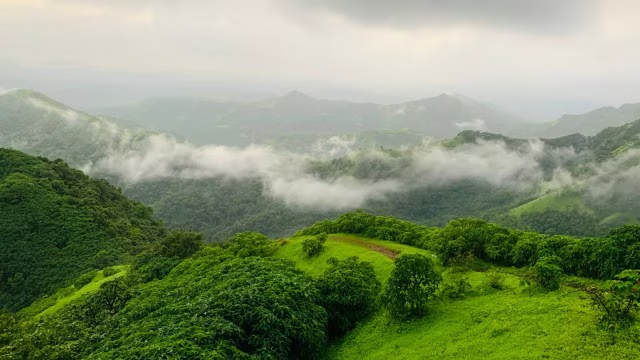
New Delhi (PTI): The Centre has deferred a proposal to divert around 54 hectares of forest land in the ecologically sensitive Western Ghats for the 2,000-megawatt Sharavathy Pumped Storage Hydroelectric Project in Karnataka after members flagged serious ecological concerns and violations of forest laws.
According to the minutes of the 11th meeting of the Environment Ministry's Forest Advisory Committee held on October 27, the proposed project area lies within the Sharavathy Valley Lion-Tailed Macaque Sanctuary, which is located in the central regions of the Western Ghats.
The committee said the project involves the felling of more than 15,000 trees, many of which are endemic to the Western Ghats, one of the 34 global biodiversity hotspots. It said the forest tracts fall under "eco-class 1 and eco-class 3" with canopy densities of 0.5 and 0.2.
The area has "climax forests of tropical wet evergreen, semi-evergreen and shola grasslands", which are "highly vulnerable and complex ecosystems", which, "if destroyed, cannot be restored to their original state".
The minutes said the project site supports Lion-Tailed Macaque, Tiger, Leopard, Sloth Bear, Wild Dogs, King Cobra, Malabar Giant Squirrel and other rare and endemic species.
It referred to a wildlife census that recorded 730 Lion-Tailed Macaques in the Sharavathy Valley Sanctuary and warned that "loss of canopy and habitat would intensify this fragmentation, posing a serious risk to the survival of LTMs".
The panel recorded that the compensatory afforestation site offered by the project proponent will not be able to compensate for the loss of habitat of the Lion-Tailed Macaque and that "wet evergreen forests are complex ecosystems and are quite difficult to replicate".
The committee examined the engineering design and said the project involves two reservoirs, tunnels up to 3.2 km long, excavation to depths of up to 500 metres, and drilling and blasting for underground works.
It said the area falls in Seismic Zone 3 and that the combination of slope cutting, blasting and heavy monsoon rainfall could aggravate landslide and erosion risks.
It warned that such work can be disastrous not only to the ecology of the area but also to human habitations.
The minutes said the Deputy Inspector General of Forests (Central), Regional Office Bengaluru, "has not recommended the proposal" because of its location inside the Sharavathy Valley Sanctuary and the ecological sensitivity of the central Western Ghats.
The Chief Wildlife Warden of Karnataka also raised objections, warning that implementation of the project can cause "enormous damage" to the flora and fauna of the landscape.
The FAC cited his observation that the ecological fallout far outweighs the economic benefits that may be accrued by commissioning this project.
The committee further said that transmission line routes proposed for the evacuation of power prima facie appear to be in violation of the Forest (Conservation) Act, 1980, and that forest clearance for those lines is not clear.
According to the minutes, the committee expressed concern over the proposed compensatory afforestation areas, saying that "the CA sites proposed are ecologically different from the wet evergreen forests being lost."
It said the project proponent must prepare a scientifically designed wildlife mitigation plan and conduct a detailed hydrological study before the proposal can be considered.
The FAC directed that tree felling be avoided or reduced to the bare minimum and that the layout of the project shall be finalised in consultation with the chief wildlife warden and as per the approved wildlife management plan.
After detailed deliberations, the committee decided to defer the proposal and sought additional information and clarifications from the state government and the user agency.
Let the Truth be known. If you read VB and like VB, please be a VB Supporter and Help us deliver the Truth to one and all.
Lebanon appoints new representative for talks with Israel, rejects linkage to Iran
Beirut: Lebanon’s has moved to underline its independent position in ongoing regional developments, amid attempts to link the country to the broader conflict involving Iran, the United States and Israel.
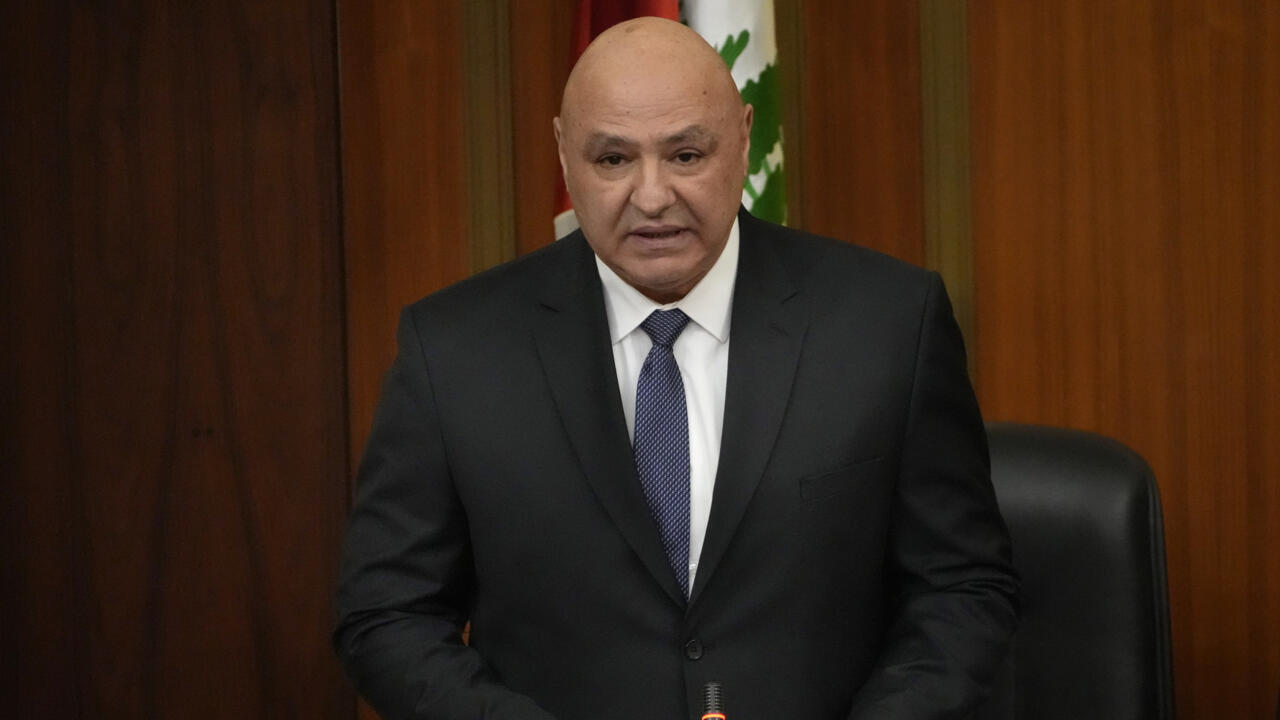
President Joseph Aoun, while announcing the appointment of former US ambassador Simon Karam as Lebanon’s representative in talks with Israel, made it clear that Karam would be the sole representative for Lebanon and that there would be no substitute.
The move comes in response to what the Lebanese officials see as efforts by Iran to tie Lebanon’s situation to the wider regional conflict. Iran had indicated that there would be no ceasefire involving the US, Israel and Iran unless it also included a ceasefire in Lebanon.
Some groups, including Hezbollah and its supporters, had expressed support for linking the situations, citing concerns that the Lebanese government has limited leverage in negotiations with Israel. Lebanon is not formally a party to the conflict, and its army is considered weak.
However, others, including Prime Minister Nawaf Salam, have opposed this approach. They view Iran’s stance as an attempt to influence Lebanon’s internal affairs and see it as undermining the country’s sovereignty.
Officials backing the government’s position say the move is aimed at reaffirming Lebanon’s sovereignty and ensuring that decisions about peace and ceasefire within the country are not dictated externally.
They also see it as a safeguard, so that any breakdown in talks between the US, Israel and Iran does not automatically lead to renewed conflict in Lebanon.