Centre seeks data from states on contractors, inspection agencies penalised under Jal Jeevan Mission

New Delhi (PTI): The Centre has directed all states and Union Territories to share details of contractors and third-party inspection agencies against whom penalties have been imposed under the Jal Jeevan Mission (JJM), official sources said on Monday.
The instruction is part of a wider directive from the Department of Drinking Water and Sanitation (DDWS) under the Ministry of Jal Shakti, which has asked Chief Secretaries to submit comprehensive reports, sources said.
Contractors and inspection agencies against whom penalties have been imposed, blacklisting orders issued or recoveries made for irregularities under the JJM are to be included in the list, according to official sources.
The DDWS has also sought information on action taken against officials of the Public Health Engineering Departments (PHED), including suspensions, removals, and FIRs registered in connection with complaints of substandard work or misuse of funds.
States have further been asked to provide one-page summaries of each case where FIRs have been filed, and to review data through "ground truthing" to confirm double entries, delays, non-implementation or over-designing of projects.
According to officials, the directive follows a top-level review of the Mission, during which the government discussed extending the scheme's deadline to 2028.
Let the Truth be known. If you read VB and like VB, please be a VB Supporter and Help us deliver the Truth to one and all.
Trump says he ‘hasn’t even thought about’ continuing Iran ceasefire
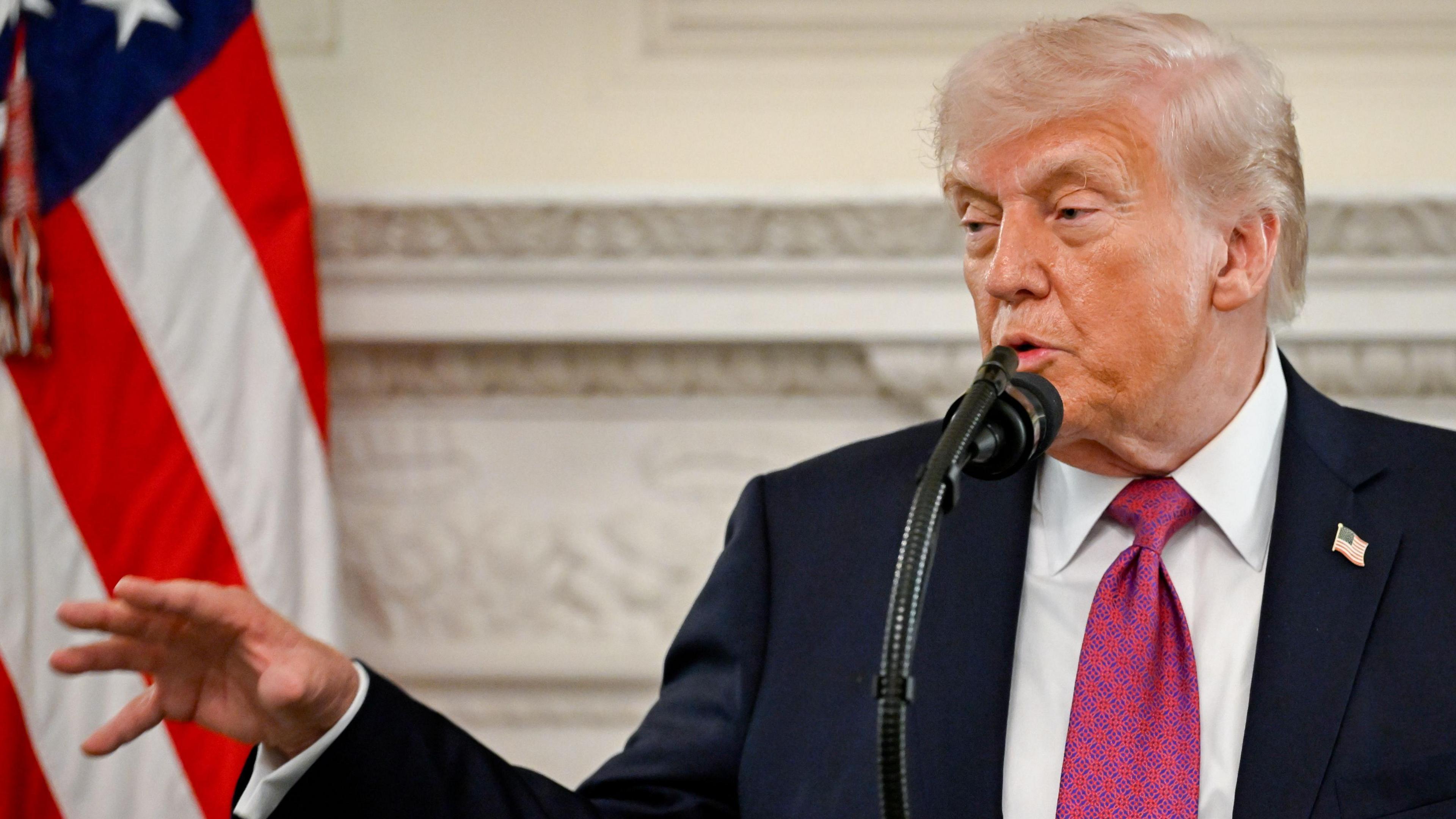
Washington: US President Donald Trump has said he has not yet considered whether he would continue the ceasefire involving Iran, while also claiming the United States holds the advantage in negotiations.
Speaking to reporters, Trump said he was prepared to make a deal with “whoever is running the show” in Iran.
“They are fighting with each other, there’s tremendous infighting. They’re probably fighting for leadership in many cases. I think they’re fighting not to be leader because we knocked out two levels of leaders,” he said.
Trump added, “When they want they can call me. We have all the cards, we’ve won everything.”
Referring to ongoing negotiations, he said, “They gave us a paper that should’ve been better. And, interestingly, immediately when I cancelled it [envoy trip to Pakistan], within 10 minutes we got a new paper that was much better.”
“We talked about they will not have a nuclear weapon, very simple … They offered a lot, but not enough,” he added.
When asked whether he would continue the ceasefire, Trump replied, “I haven’t even thought about it.”
The remarks come as uncertainty remains over the future of the temporary truce and broader negotiations between Washington and Tehran.