Centre to fully implement rice fortification programme before March 2024 target
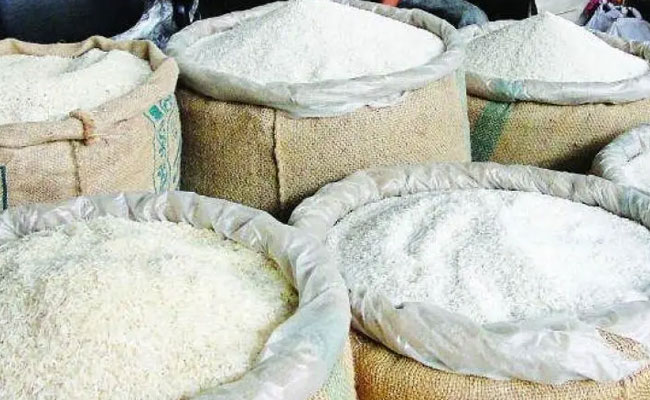
New Delhi (PTI): The government will implement fully rice fortification programme before the scheduled target of March 2024, a top food ministry official said on Tuesday.
Prime Minister Narendra Modi, in his Independence Day address in 2021, said the government aims to distribute fortified rice via the government schemes by 2024.
Thereafter, a scheme for the distribution of fortified rice, containing prescribed micronutrients (Iron, Folic Acid, Vitamin B12) was launched in October 2021 in a phased manner in order to address the problem of anaemia in children and women.
In April 2022, the Cabinet Committee on Economic Affairs (CCEA) approved the supply of fortified rice throughout the Public Distribution System (PDS), Integrated Child Development Services (ICDS), Pradhan Mantri Poshan Shakti Nirman-PM POSHAN (erstwhile Mid-Day Meal Scheme) and other welfare schemes in all states and Union Territories (UTs) by 2024 in a phased manner.
The entire cost of rice fortification, which is around ₹ 2,700 crore per annum, would be borne by the Centre as part of the food subsidy till its full implementation up to June 2024.
"We had planned to complete the universalisation of fortified PDS rice by March 2024. But, with the pace of distribution, we are hopeful of reaching the target before that and the entire PDS (rice) will be fortified ...in the next few months," Food Secretary Sanjeev Chopra told reporters here.
As of date, he said the Food Corporation of India (FCI) has 240 lakh tonnes of rice, of which just 12 lakh tonnes is non-fortified rice.
Mr Chopra also asserted that fortified rice is safe for people with sickle cell anaemia and thalassemia.
He explained that through PDS fortified rice only 7 mg per day of iron will be consumed while the human body can take 40-45 mg per day of iron.
The secretary said the government will also look at revising the advisory on fortified rice being harmful to people with sickle cell anaemia and thalassemia in light of new evidence.
Globally, Mr Chopra said, 90 countries are using fortification of food items.
The Department of Food and Public Distribution organised a one-day National Seminar on Rice Fortification here.
While addressing the seminar, Mr Chopra said, "We are on track to achieve the target of 100 per cent distribution of fortified rice across all rice-consuming districts in the country." As per the plan, in the first phase, the target was to cover ICDS and PM POSHAN in India by March 2022.
Under the second phase, the plan was to extend the scheme to beneficiaries of PDS and other welfare schemes in all aspirational and high-burden districts on stunting (a total of 291 districts) by March 2023.
In the third phase, the target was to cover the remaining districts of the country by March 2024.
In April this year, Mr Chopra informed that a total of 269 districts in 27 states started distributing fortified rice under PDS, achieving a 100 per cent target set for Phase II by March 2023.
The ministry has also developed Standard Operating Procedure (SoP) for adherence to Quality Assurance (QA) & Quality Control (QC) protocols on the production and distribution of fortified rice/ FRKs (fortified rice kernels).
Food regulator FSSAI, the regulatory/licensing authority for food fortification, has drafted standards for FRK and Pre-mix, and provided direction to all the stakeholders for the operationalisation of draft standards with immediate effect.
Let the Truth be known. If you read VB and like VB, please be a VB Supporter and Help us deliver the Truth to one and all.
Yenepoya University conducts autism awareness campaign in Mangaluru
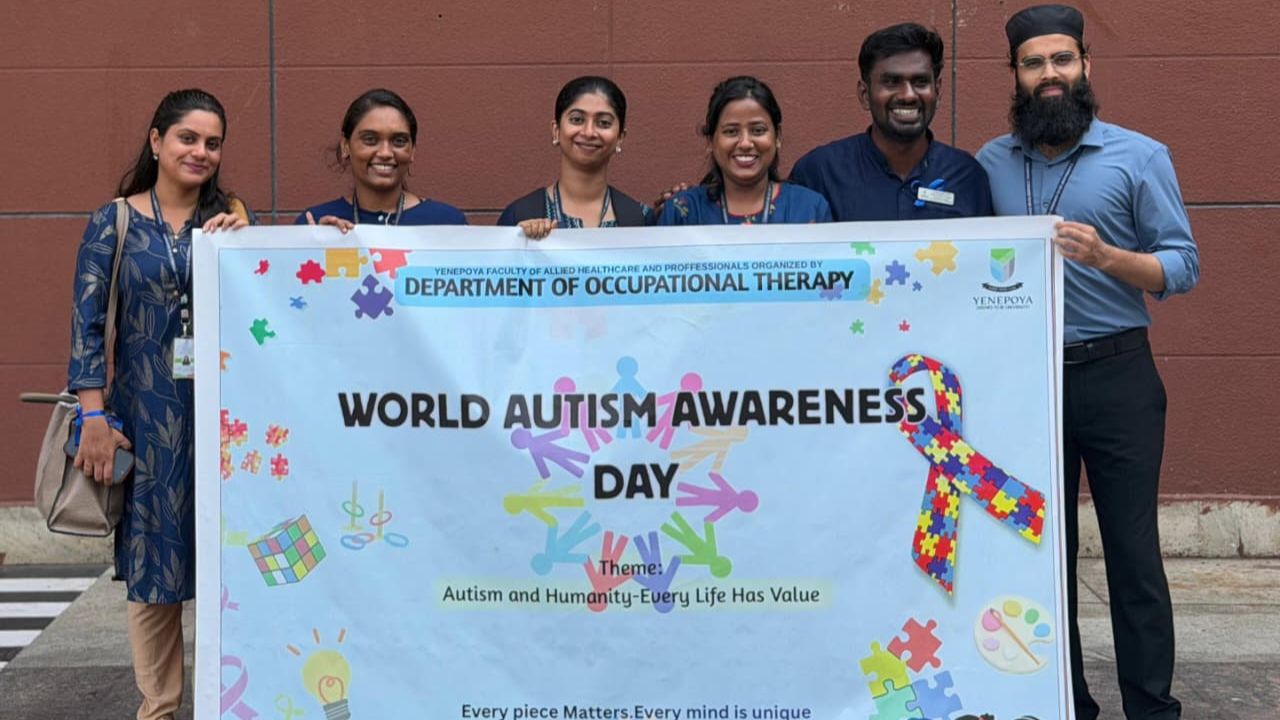
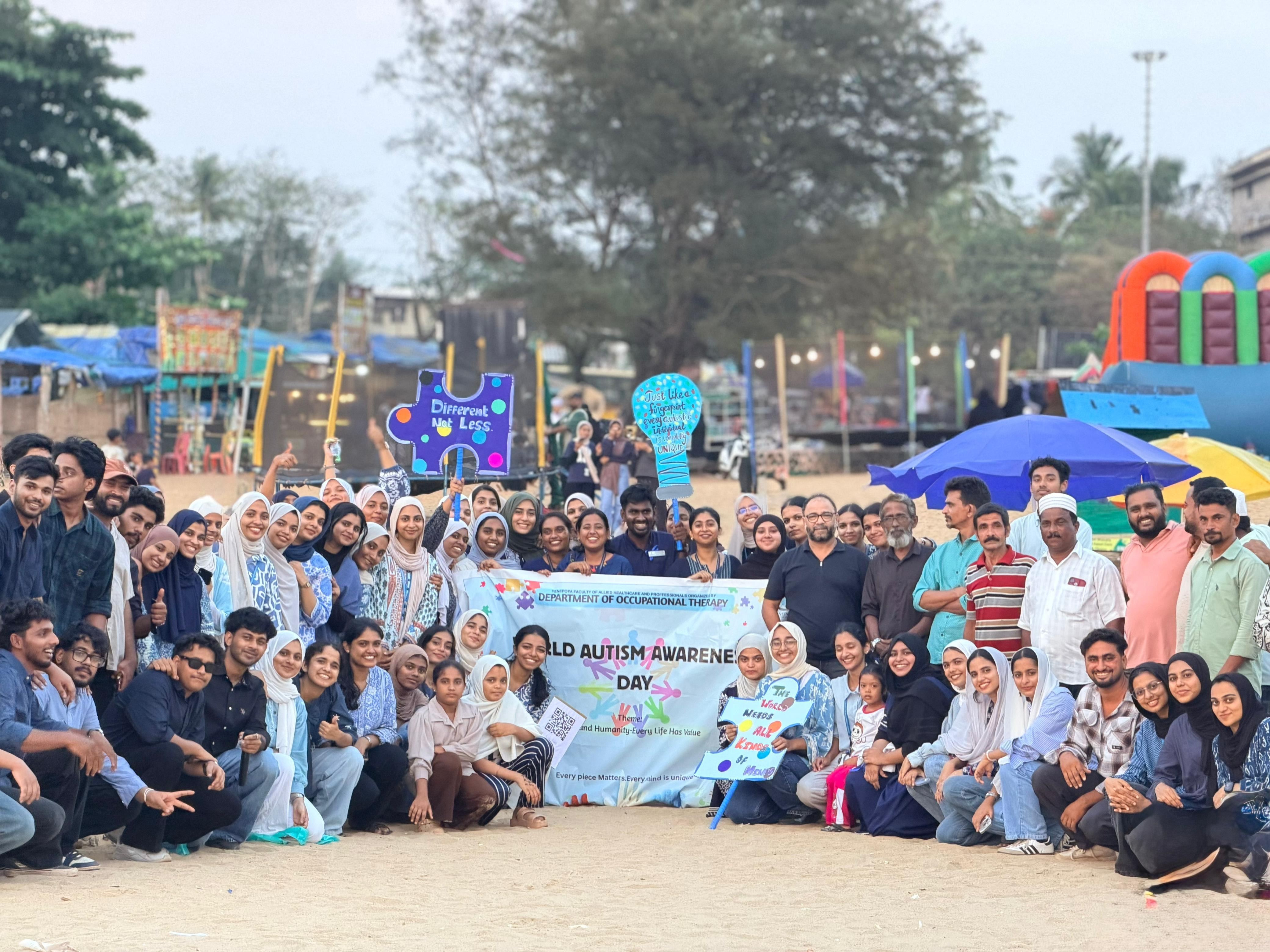
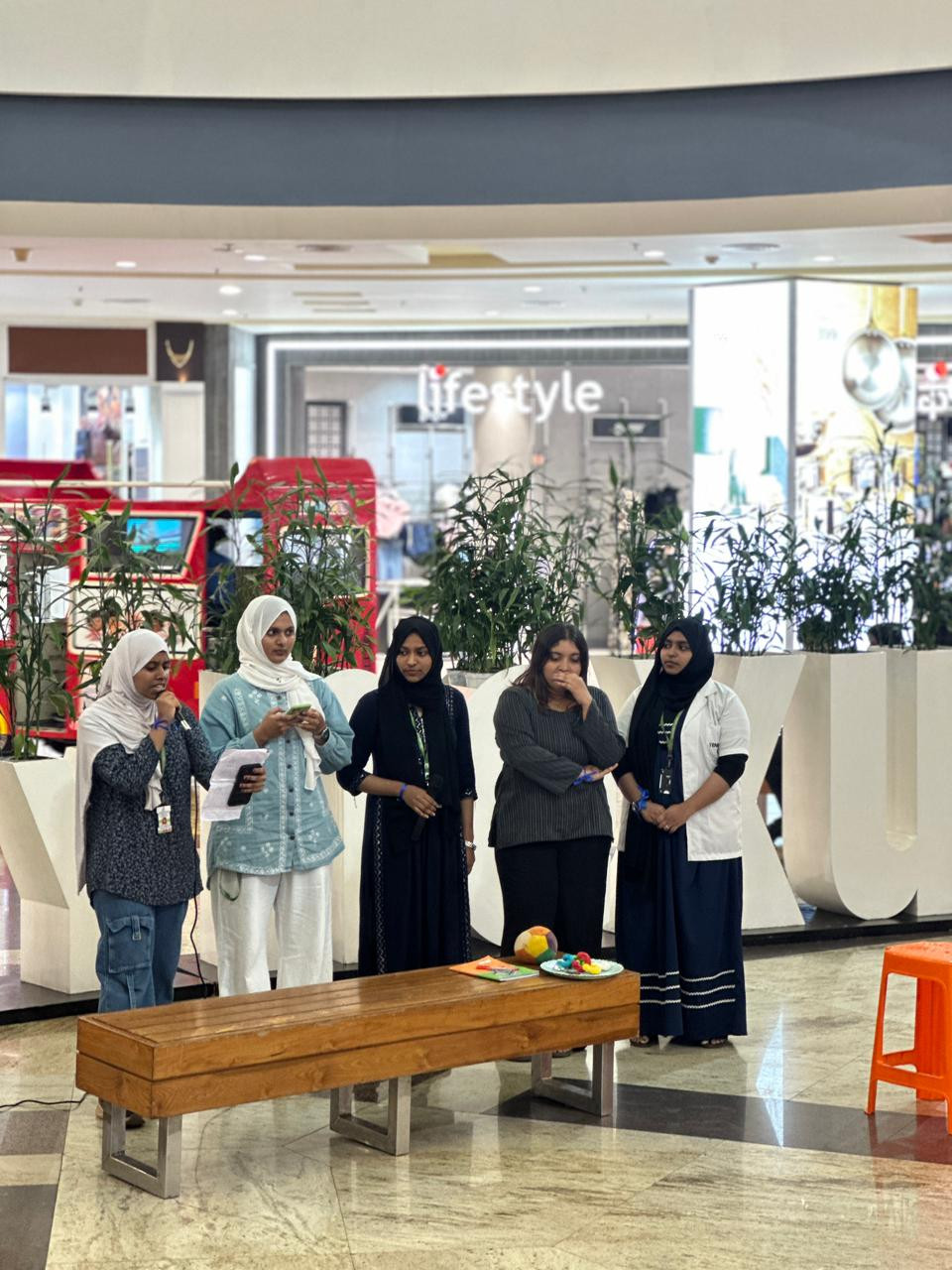
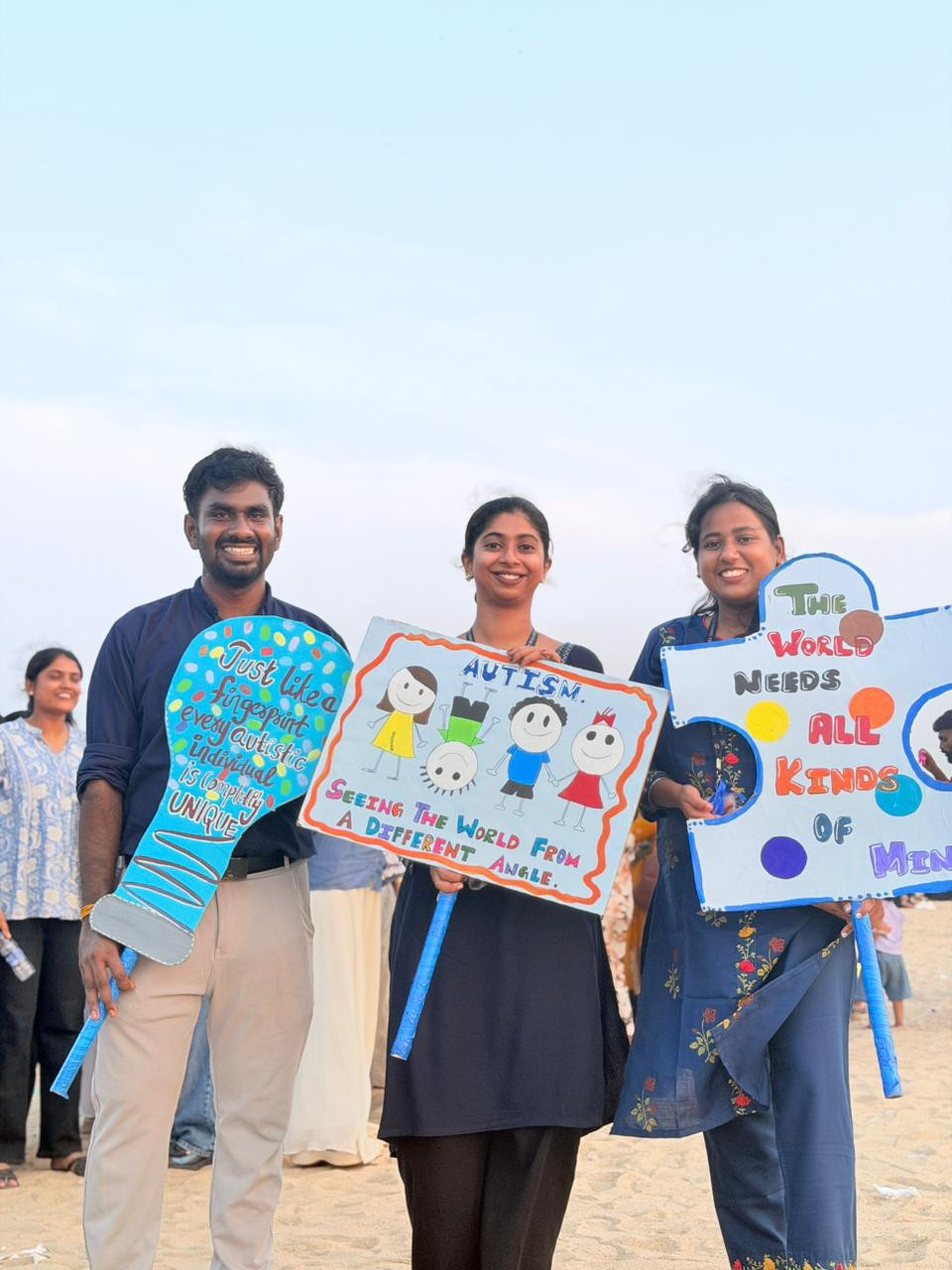
Mangaluru: The Department of Occupational Therapy at Yenepoya (Deemed to be University) conducted a community-based Autism Awareness Campaign at Fiza Mall and Ullal Beach in the city.
The campaign was aimed at promoting awareness, inclusion, and early identification of autism, in line with the global theme, “Autism and Humanity – Every Life Has Value.”
The programme was led by Dr. Dhayanithi K and Dr. Ananya Jana as organising chairpersons, with Dr. Anas, Dr. Amanda S. Phillip, and Dr. Ansu V. David served as organising members.
Students of the Bachelor of Occupational Therapy (BOT) programme participated in conducting the campaign.
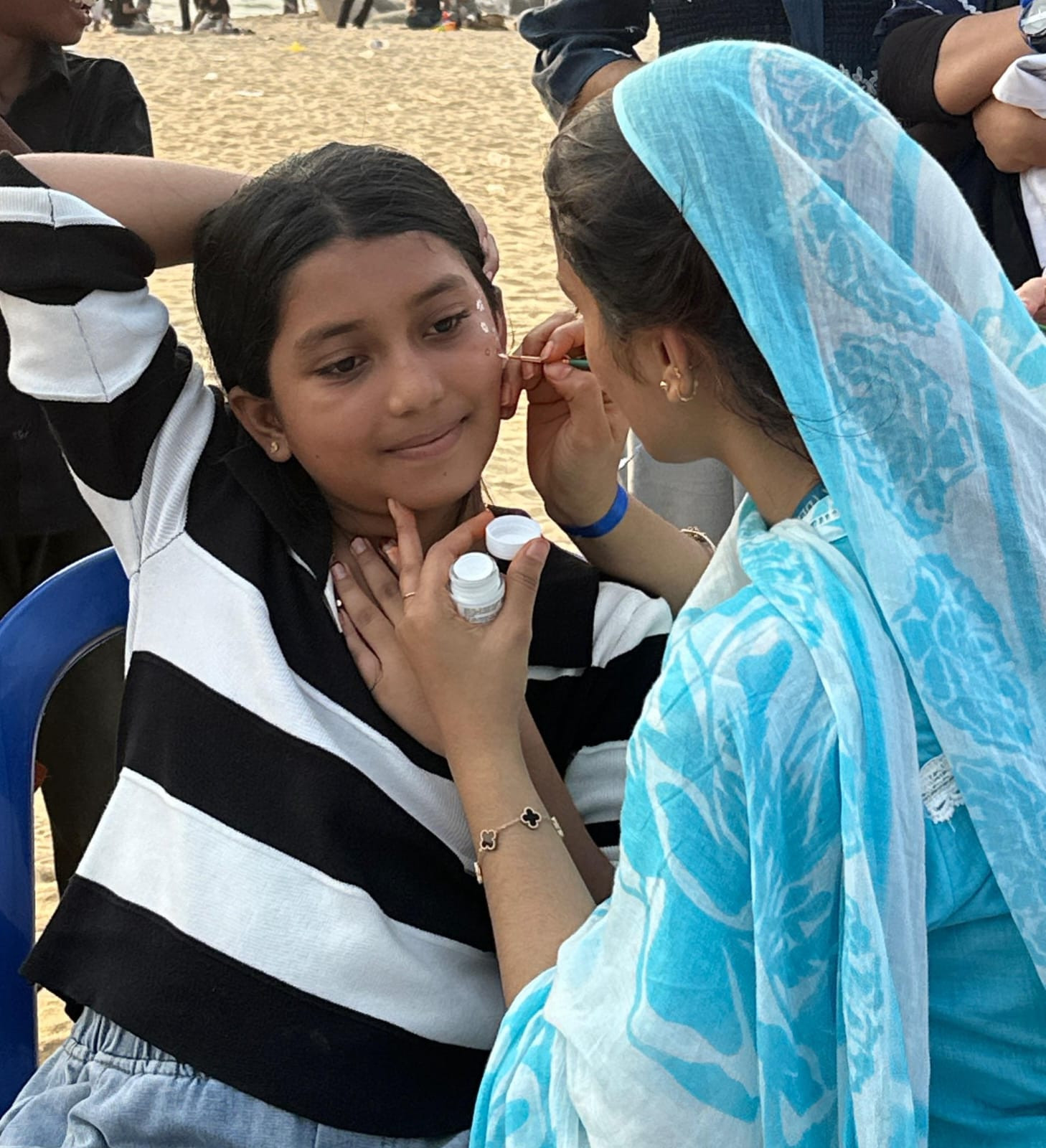
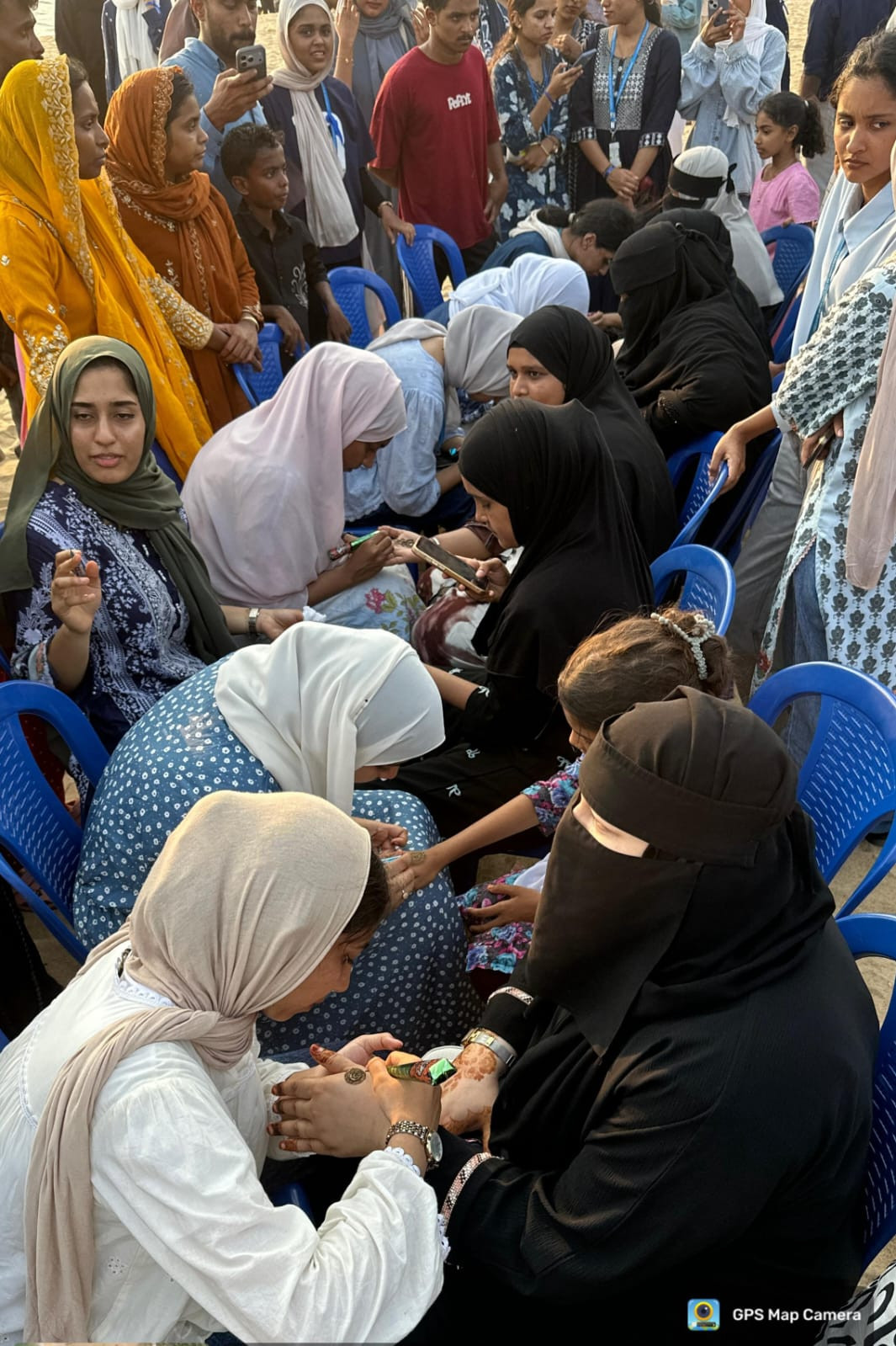
The event included activities such as flash mobs, street plays, face painting, mehendi, and direct interaction with the public.
These activities focused on highlighting early signs of autism, the need for early intervention, and the importance of inclusion and acceptance of individuals with autism.
The campaign reached around 300 to 500 members of the public. It also provided students with practical exposure to community-based rehabilitation and public health education.
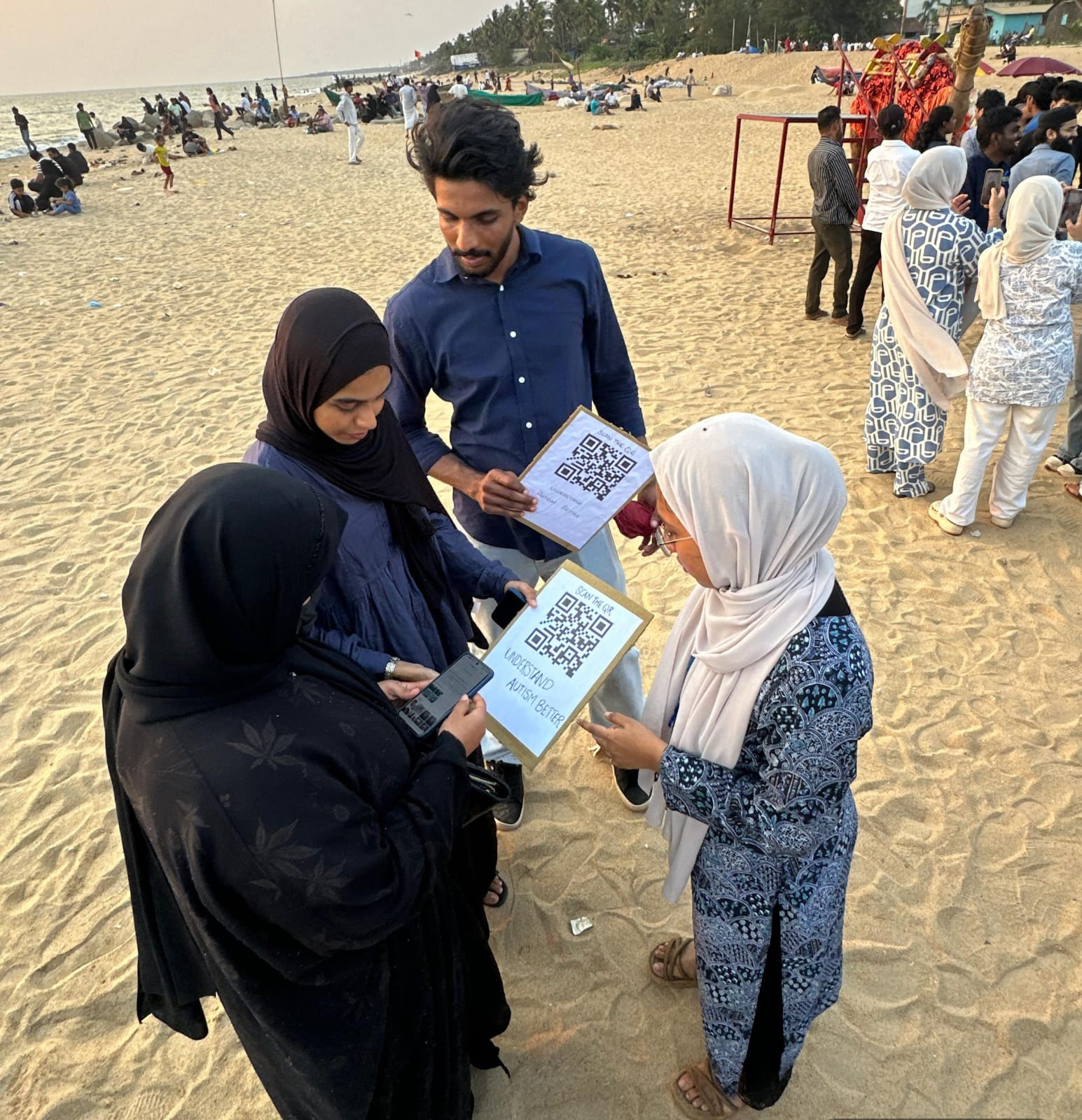
As part of the initiative, QR-based digital resources were introduced to help the public access reliable information on autism.
“Awareness is the first step towards inclusion, and early intervention can significantly improve outcomes,” the organising team said.
The department thanked the university for its support in organising the campaign. It also acknowledged the cooperation of the management of Fiza Mall and the Ullal Beach Police Department in facilitating the event.