China's rare earth export curbs to affect auto sector; India working on alternatives: Piyush Goyal
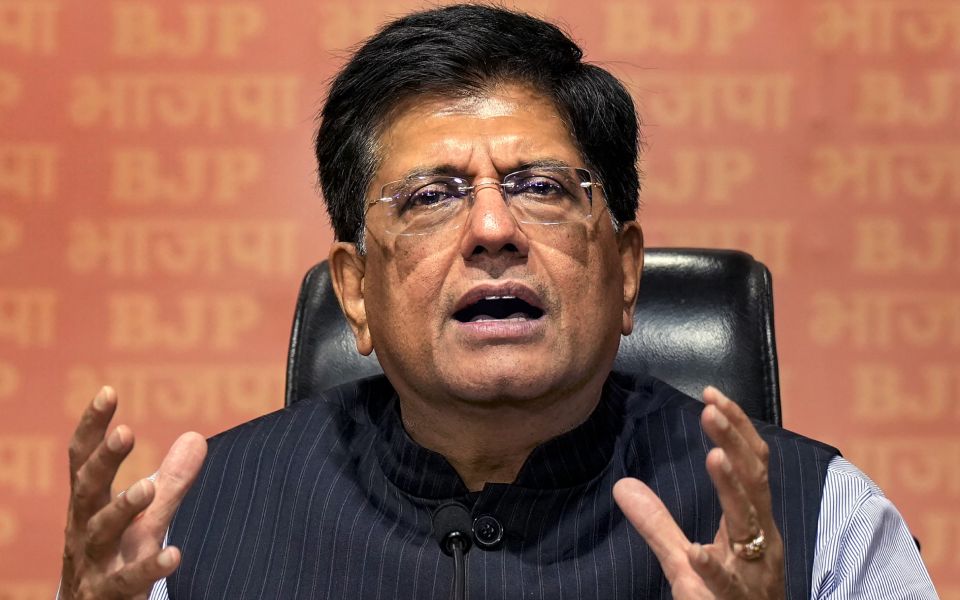
Bern, June 9 (PTI): China's restrictions on the export of rare earth elements and related magnets would affect the domestic auto and white goods sectors in the short term but the government and the industry are working actively on solutions, including diplomatic engagement, Commerce and Industry Minister Piyush Goyal said on Monday.
Goyal, who is on an official visit to meet Swiss leaders and businesses here, also said that the Indian embassy is in dialogue with China and the commerce ministry is also working on the issue.
The automobile industry has sought government support in expediting approvals from the Chinese government for importing rare earth magnets used in various applications, including passenger cars.
As per the industry sources, various domestic suppliers have already sought approval from the Chinese government through their local vendors in China.
However, no approvals have been granted so far, sources said. China controls over 90 per cent of the global processing capacity for magnets, used across multiple sectors including automobiles, home appliances and clean energy.
The Chinese government has put restrictions, with effect from April 4, mandating special export licences for seven rare earth elements and related magnets.
"Obviously, there are issues around the stopping of permanent magnets from China to India, which will affect our auto sector, particularly, and several white gods and other sectors … Some companies have put in their applications, and we hope that good sense should prevail and they will get their approvals for permanent magnets," he told reporters here.
He added that the government is working on several other tracks to see the availability of these goods from alternate sources.
They are also looking at Indian Rare Earths Limited by providing the necessary materials to be able to develop, speed up the development of domestic products, Goyal said adding, "In a way, it's a wake-up call for all those who have become over-reliant on certain geographies. It's a wake up call for the whole world that you need trusted partners in your supply chain".
He said that India is now becoming the alternative that the world is looking up to.
When asked if the government is considering a PLI (production-linked incentive) scheme for the sector, the minister said he has discussed the matter with all the auto companies and they are "very" confident about solving this problem.
"They are in dialogue with our innovators, startups and they say they will take care of any funding requirement or pricing correction that may need to encourage faster roll out and growth of this sector," Goyal said.
More and more Indian industry is coming out of the old mindset that the government subsidies and crutches only will not run "our show" and they are becoming bigger and bolder, he noted.
On alternative sources, Goyal said that there could be some technologies that India is developing.
"So the government, the industry and startups and innovators are all working as a team and we are confident that there may be a problem in the short run but we will emerge winners in the mid to long runs," he said.
There is an opportunity even in this crisis and problem, he said.
"Because more and more companies and businesses and people in India will recognise that it is important to be self-reliant, it’s important to have trusted partners in your supply chains and more and more the world today is wanting India to be in their supply chain today because today we are seeing as a trusted partner," he added.
Critical materials include samarium, gadolinium, terbium, dysprosium and lutetium, which are essential in electric motors, braking systems, smartphones and missile technology.
Let the Truth be known. If you read VB and like VB, please be a VB Supporter and Help us deliver the Truth to one and all.
Austrian police detain suspect in case of rat poison found in baby food jars on supermarket shelves
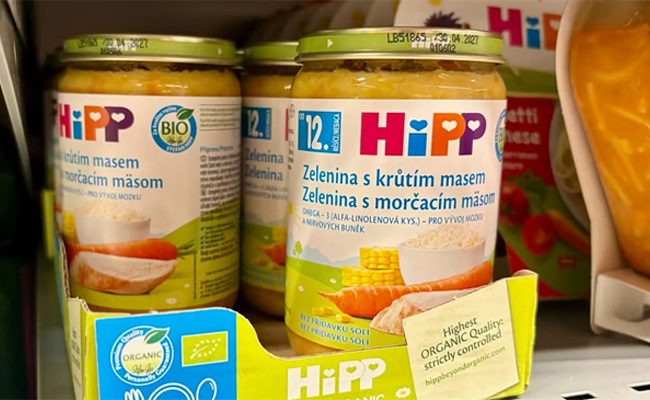
Vienna (AP): Police in eastern Austria say a 39-year-old suspect has been arrested after rat poison turned up in some HiPP baby food jars on supermarket shelves in central Europe.
HiPP, which recalled some of its baby food jars in Austria, Slovakia and the Czech Republic after the case came to light last month, said in a statement Saturday it was “greatly relieved” by the arrest, and would provide further updates as verified details come in.
The Burgenland State Criminal Police Office, under the direction of prosecutors, said a probe was launched after poison turned up in a baby food jar purchased at a supermarket in the city of Eisenstadt on April 18.
It said the suspect was being questioned, and that no further details would be immediately provided. The Burgenland public prosecutor's office has announced an investigation into suspected “intentional endangerment of the public.”
The Austrian Press Agency reported that an expert report on the toxicity of the poison was pending. A total of five tampered baby food jars were seized before they could be consumed, APA reported.
Authorities said previously they believe the tampering occurred in 190-gram (6.7-ounce) jars of baby food made with carrots and potatoes for 5-month-olds that were sold from SPAR supermarkets in Austria.
HiPP responded by recalling all of its baby food jars sold at SPAR supermarkets — which include SPAR, EUROSPAR, INTERSPAR and Maximarkt stores — in Austria as a precaution. Vendors in Slovakia and the Czech Republic also removed all of the brand's baby jars from sale.
The company said the recall was not due to any product or quality defect on its part, and said the jars left its facility in “perfect condition.”
Police said a customer at the time of the discovery had reported that a jar appeared to have been tampered with, but no one had consumed the baby food.