CM Siddaramaiah calls for scientific measures to stop wild animals straying into human habitats
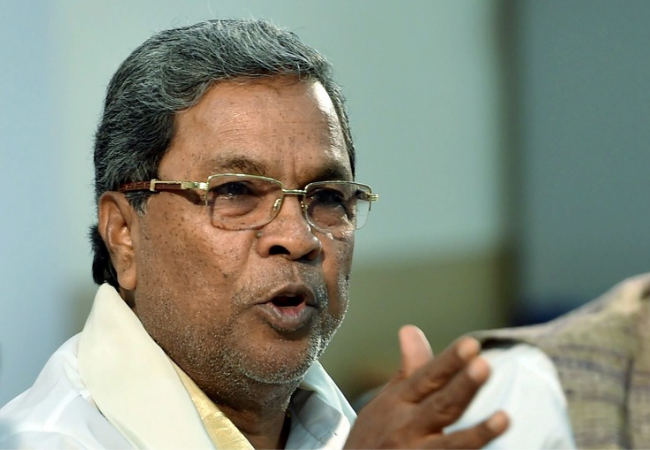
Mysuru (PTI): Karnataka Chief Minister Siddaramaiah on Monday directed officials to take scientific and immediate measures to curb the problem of wild animals straying into human habitats.
The directive came after a tiger killed four people and livestock in Mysuru district over the past month.
The chief minister said the issue must be handled with urgency and guided by evidence-based solutions.
At a meeting with senior forest department officials, Siddaramaiah asked, "Why are tigers and elephants coming out of the forest? Give a scientific reason."
He emphasised, "There is an urgent need to find an effective solution through a scientific approach," and suggested concrete remedial measures.
A statement issued by the CMO said Siddaramaiah instructed the department to fill water pits inside forests, remove lantana, and grow grass to ensure adequate food and water sources within forest areas.
He also directed continuous monitoring of elephant and tiger movements and said a separate meeting would be convened to prevent conflicts between wild animals and humans.
Officers must conduct a comprehensive study on causes and solutions, he added.
The statement said officials informed Siddaramaiah that a helpline had already been opened and that work was underway to set up a command centre to strengthen response mechanisms.
The CM also instructed officers to act conscientiously in matters related to tribal hamlets and forest dwellers.
He enquired whether drinking water and electricity were being adequately provided to tribal settlements and urged officials to ensure their welfare.
When MLA Anil Chikkamadu highlighted that man-animal conflicts had increased in HD Kote due to a lack of coordination between forest officers, Siddaramaiah warned that strict action would be taken if human lives were lost.
Let the Truth be known. If you read VB and like VB, please be a VB Supporter and Help us deliver the Truth to one and all.
Lebanon appoints new representative for talks with Israel, rejects linkage to Iran
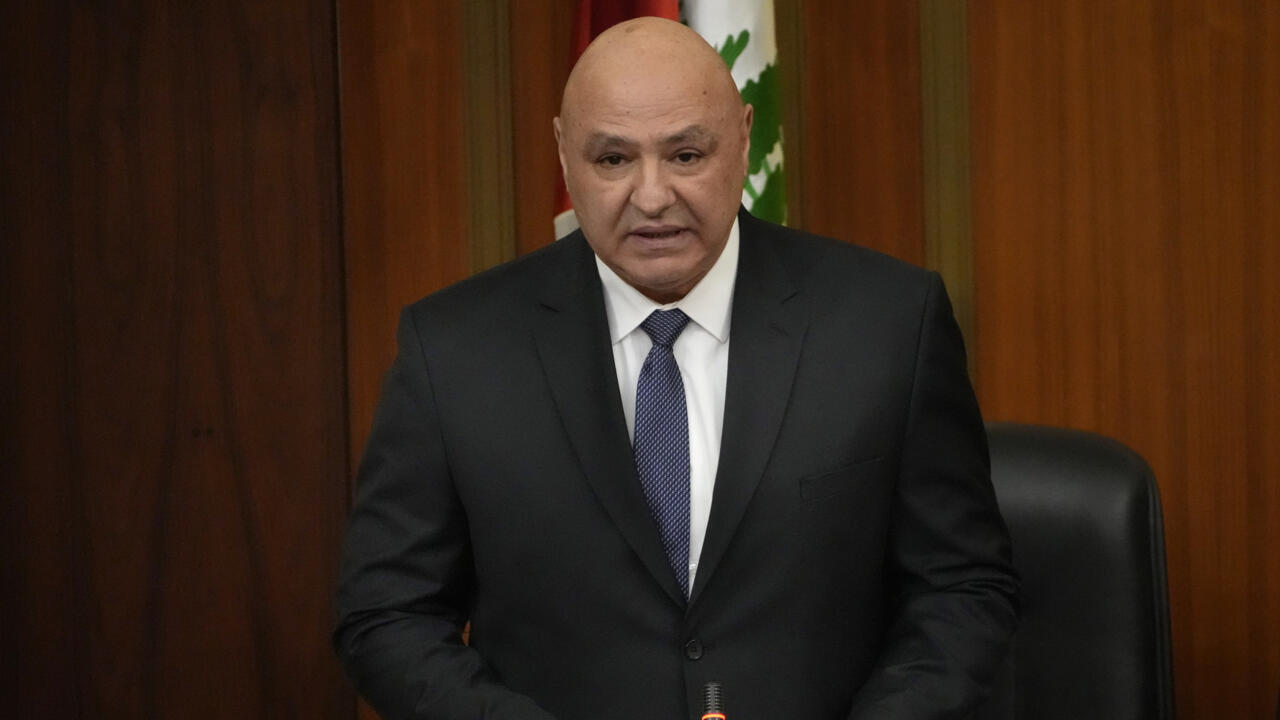
Beirut: Lebanon’s has moved to underline its independent position in ongoing regional developments, amid attempts to link the country to the broader conflict involving Iran, the United States and Israel.
President Joseph Aoun, while announcing the appointment of former US ambassador Simon Karam as Lebanon’s representative in talks with Israel, made it clear that Karam would be the sole representative for Lebanon and that there would be no substitute.
The move comes in response to what the Lebanese officials see as efforts by Iran to tie Lebanon’s situation to the wider regional conflict. Iran had indicated that there would be no ceasefire involving the US, Israel and Iran unless it also included a ceasefire in Lebanon.
Some groups, including Hezbollah and its supporters, had expressed support for linking the situations, citing concerns that the Lebanese government has limited leverage in negotiations with Israel. Lebanon is not formally a party to the conflict, and its army is considered weak.
However, others, including Prime Minister Nawaf Salam, have opposed this approach. They view Iran’s stance as an attempt to influence Lebanon’s internal affairs and see it as undermining the country’s sovereignty.
Officials backing the government’s position say the move is aimed at reaffirming Lebanon’s sovereignty and ensuring that decisions about peace and ceasefire within the country are not dictated externally.
They also see it as a safeguard, so that any breakdown in talks between the US, Israel and Iran does not automatically lead to renewed conflict in Lebanon.