Commercial LPG cylinder prices cut by Rs 30; check latest prices here
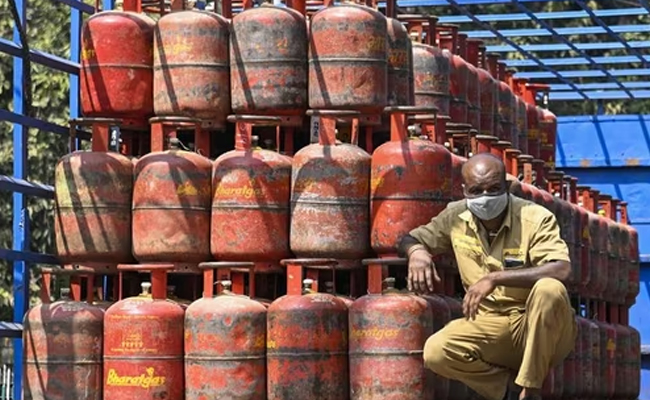
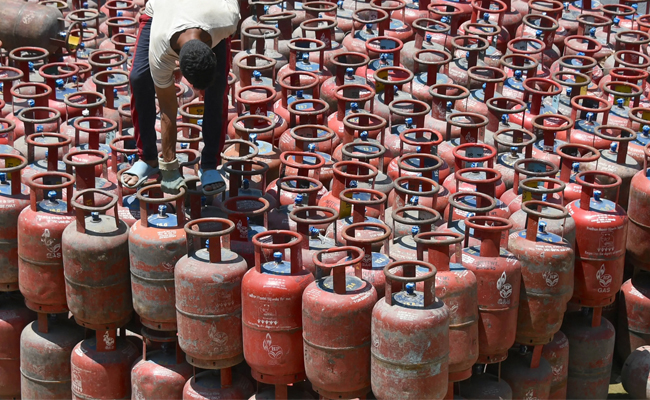
New Delhi: In a bid to provide financial relief to enterprises in the food and hospitality industries, oil marketing companies announced a further reduction in the price of 19 kg commercial liquefied petroleum gas (LPG) cylinders on Monday. Effective immediately, the cost has been decreased by Rs 30, bringing the new price to Rs 1,646 in Delhi.
In Kolkata, the price of 19 kg LPG cylinders is now Rs 1,756, down from Rs 1,787 in June. In Mumbai, the price is Rs 1,598, reduced from Rs 1,629, and in Chennai, the price is Rs 1,809.5, down from Rs 1,840.50.
This latest adjustment continues a trend of price reductions in recent months. On June 1, the price of a 19 kg commercial LPG cylinder was lowered by Rs 69.50 to Rs 1,676. Additionally, on May 1, 2024, a reduction of Rs 19 per cylinder was implemented.
The frequent adjustments in LPG cylinder prices, typically occurring at the start of each month, are influenced by various factors. These include fluctuations in international oil prices, changes in tax policies, and varying supply-demand conditions. Despite the lack of detailed reasons for the current price cut, it is evident that oil marketing companies are responding to broader economic circumstances.
These successive price reductions are crucial for businesses facing increasing operational costs in a challenging economic climate. In particular, the food and hospitality sectors, which rely heavily on commercial LPG cylinders, stand to benefit significantly. The reduced prices help these businesses manage their expenses more efficiently, potentially allowing them to offer more competitive prices to their customers.
Let the Truth be known. If you read VB and like VB, please be a VB Supporter and Help us deliver the Truth to one and all.
Mumbai-Pune Expressway connecting link now fully operational
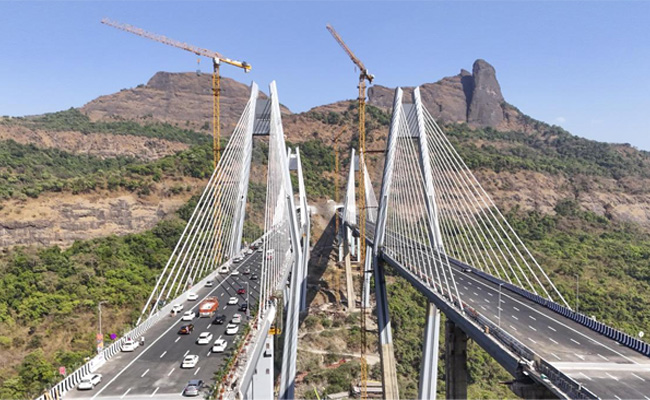
Mumbai (PTI): The Mumbai-bound carriageway of the Mumbai-Pune Expressway connecting link was opened to vehicular traffic on Saturday noon after a delay caused by the dismantling of inauguration infrastructure and cleaning work, a day after the Pune section became operational.
The 13.3 km-long "missing link", which bypasses a section of the Bhor Ghat stretch of the expressway and cuts travel time between Mumbai and Pune by 25 to 30 minutes, was inaugurated a day earlier by Chief Minister Devendra Fadnavis in the presence of Deputy CMs Eknath Shinde and Sunetra Pawar.
The Pune-bound carriageway of the corridor was opened to traffic immediately; however, the Mumbai-bound section remained closed to traffic for several hours after the inauguration.
An official of the Maharashtra State Road Development Corporation told PTI on Saturday that the opening of the Mumbai-bound carriageway was delayed mainly due to the dismantling of the inauguration infrastructure and cleaning work.
The removal of the stage and other decorations was completed in the morning. The work to load and transport the material slightly delayed the opening of the carriageway.
Vehicular movement on the carriageway began after all the remaining material was cleared and road cleaning was completed, the official added.
The expressway control room said that despite significant vehicular movement, the access-controlled highway has not witnessed any major traffic snarls since Friday evening, after the Pune-bound carriageway of the missing link was opened to traffic.
The Missing Link project connects Khopoli (in Raigad) on the Mumbai side to Kusgaon near Lonavala in Pune district and is expected to make the expressway fully access-controlled, easing congestion in the ghat section.
Developed by the MSRDC and dubbed an "engineering marvel", the project includes two tunnels, two viaducts and a cable-stayed bridge over Tiger Valley. It bypasses the steep, accident-prone ghat section, where frequent traffic snarls are reported during weekends and on public holidays.