Commercial LPG prices hiked by Rs 105; check new rates
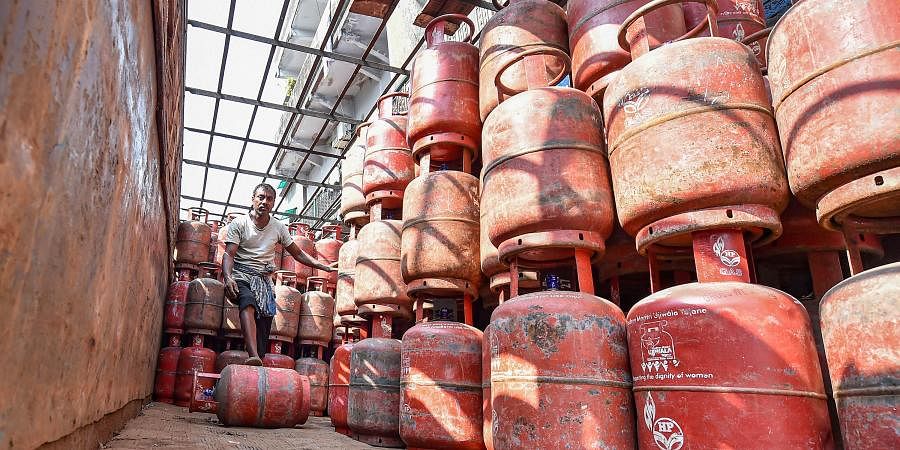
New Delhi, Mar 1: Price of commercial LPG, used by hotels and other commercial establishments, was on Tuesday hiked by Rs 105 to its second-highest level but rates of subsidised gas sold to households remained on freeze.
The price of a 19-kg commercial cylinder has been hiked to Rs 2,012 from Rs 1,907, according to price notification from state-owned fuel retailers.
This is the second-highest rate, after Rs 2,101 per cylinder in December 2021.
LPG rates are revised on the 1st of every month based on the price of benchmark fuel in the previous month.
However, the price of domestic cooking gas LPG, sold to households, has not been changed since October when it rose to Rs 899.50 per 14.2-kg cylinder.
The hiatus in those rates came after criticism from the Opposition over prices being hiked by Rs 90 in the previous six months.
Just like LPG, petrol and diesel prices too have been on a freeze since early November 2021.
It is being speculated that fuel prices will be hiked once assembly elections in Uttar Pradesh and four other states end next week.
Let the Truth be known. If you read VB and like VB, please be a VB Supporter and Help us deliver the Truth to one and all.
Congress using hijab issue to pacify minority anger, alleges Karnataka LoP R Ashoka
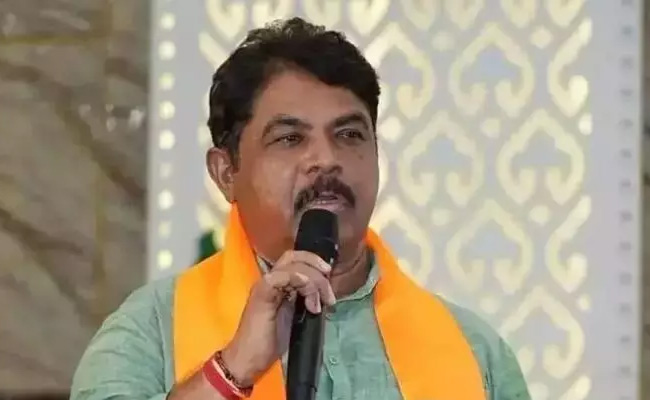
Bengaluru: Leader of Opposition in the Assembly R. Ashoka has accused the Congress government of using the hijab issue to placate what he described as discontent among minority voters after the Davanagere by-election.
In a post on X on Wednesday, Ashoka alleged that the state government, instead of addressing issues such as price rise, corruption, farmers’ distress and law and order, was attempting to retain its minority vote base by reviving the hijab issue.
Referring to the 2022 dress code introduced by the BJP government, which prohibited hijab in schools and colleges, Ashoka said the Karnataka High Court had upheld the policy and emphasised the importance of discipline in educational institutions.
He questioned the Congress government’s move to revisit the issue and asked whether setting aside the court-backed policy to benefit one community could be described as secularism.
Ashoka further alleged that while the government was willing to permit hijab, it continued to prohibit saffron shawls.
He accused the government of dividing students on religious lines rather than treating schools and colleges as spaces of equality.
Drawing a comparison with Mamata Banerjee’s government in West Bengal, Ashoka claimed that excessive appeasement politics had harmed the state and warned that the Congress in Karnataka could face a similar political response.
He said voters in Karnataka would teach the Congress a lesson for what he termed “vote-bank politics” and for compromising constitutional and judicial principles.