Complaints filed in Mumbai against influencer Allahbadia, others over 'vulgar' content
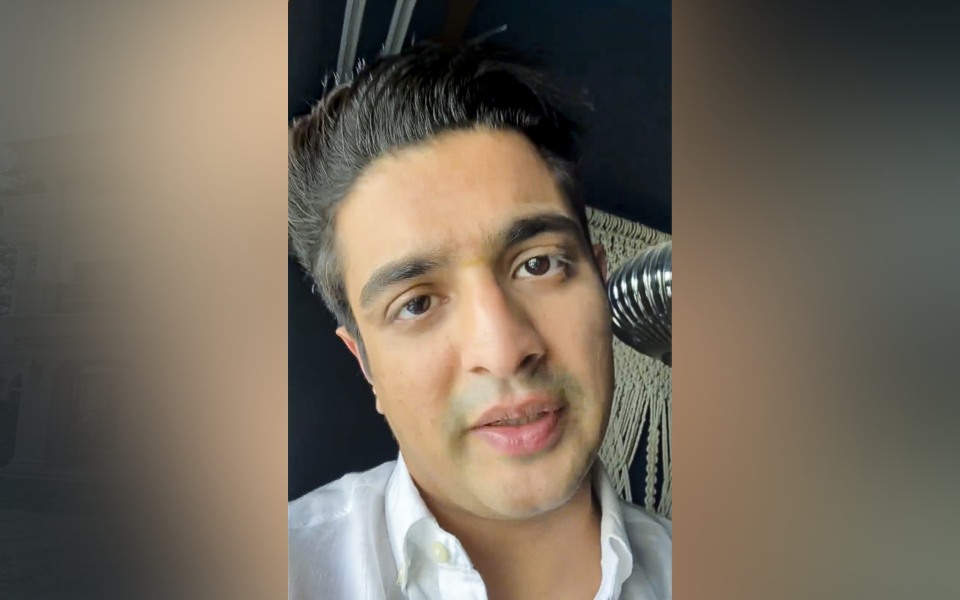
Mumbai, Feb 10 (PTI): Social media influencer Ranveer Allahbadia and others associated with a YouTube reality show appeared headed for legal trouble after two complaints were filed on Monday in Mumbai over his crass comments that triggered an outrage and forced him to apologise.
The complaint-s, one with the police and another with a city court, were filed separately by Congress and BJP members.
Allahbadia's distasteful comments on parents and sex led to massive outrage across the spectrum, prompting the YouTuber with almost 16 million followers on social media platforms to apologise. The remarks were made on YouTube reality show "India's Got Latent" hosted by comedian Samay Raina, popular amongst some sections for its often offensive content.
BJP functionary Nilotpal Mrinal Pandey, in his complaint to the Khar police, named Allahbadia, Raina, YouTuber Ashish Chanchlani, makers, judges and participants of the show, and accused them of using derogatory language on the show, an official said.
He submitted a video in a pen drive along with the written complaint, the official said.
Pandey alleged the show promotes abusive language, vulgarity and nudity, and sought action in the matter.
No case has been registered so far, but Deputy Commissioner of Police (Zone 9) Dixit Gedam said an inquiry was underway into the complaint.
The second complaint was filed before a Bandra court by Nikhil Ruparel, a member of the National Students' Union of India (NSUI), a Congress wing, against reality show "India's Got Latent", its judges and participants, including Allahbadia and Raina, over use of abusive language and vulgar content.
Ruparel urged the court to take cognizance of offences under sections 296 (obscene acts), 352 (intentional insult) of the Bharatiya Nyaya Sanhita (BNS) and relevant provisions of the Information Technology Act and issue process (summons) against those named in the complaint.
Further, the court may be pleased to order an investigation/inquiry into the matter under the BNS provisions, the plea, filed through an advocate, said.
The complaint maintained the controversial remarks contribute to the normalization of indecent conversations, desensitize individuals to inappropriate discourse, and erode the fundamental principles of respect, dignity, and decency in society.
"The accused, throughout the show, consistently used abusive language, which not only involved offensive and vulgar words but also conveyed such statements that negatively affect societal interactions," it added.
Besides Raina and Allahbadia, comedians Chanchalani and Apoorva Makhija have also been named in the court complaint.
Let the Truth be known. If you read VB and like VB, please be a VB Supporter and Help us deliver the Truth to one and all.
Bihar: Over 150 children fall ill after consuming 'mid-day meal' in Saharsa
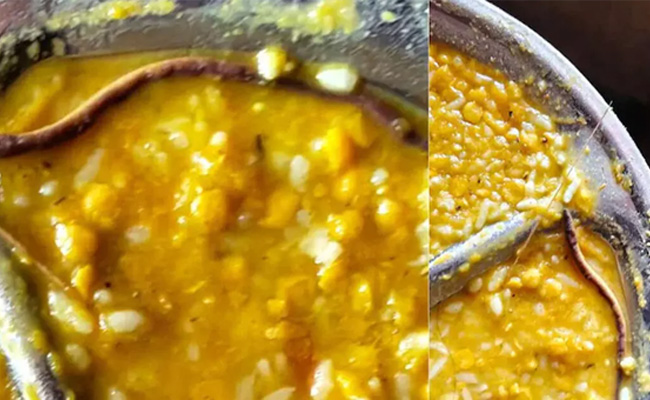
Saharsa (PTI): More than 150 children were taken ill after allegedly consuming food that was part of the mid-day meal in a school in Bihar’s Saharsa district, a senior official said on Thursday.
The incident occurred at a middle school in Baluaha village of the district.
The official said that 115 children were undergoing treatment at the Sadar Hospital, while around 50 students were admitted to Mahishi Public Health Centre.
“We received information that several children fell ill after consuming the mid-day meal in Baluaha. The children were initially treated at the primary health centre, but later, many were referred to the Sadar Hospital,” Saharsa District Magistrate Deepesh Kumar told reporters.
“According to doctors, the health condition of the children has improved, but they will be kept under observation for some time. There is no need to panic. Some kids are having mild fever. They are being treated accordingly,” Kumar said.
Meanwhile, family members of some children claimed that a snake was found in the container in which cooked pulses was stored at the school.
Of the 545 students present in the school, 200 had already eaten their meals by the time the snake was spotted, and later complained of stomach ache and vomiting, they said.
Regarding the claims, the DM said food samples have been collected from the school.
“We will be able to comment on this only after the results of the tested samples arrive,” he said.