Congress demands PM's briefing on West Asia conflict; flags LPG shortage, inflation
New Delhi (PTI): The Congress on Monday demanded that Prime Minister Narendra Modi inform the citizens about the outcome of a high-level meeting he chaired a day earlier on the West Asia conflict, and spell out the steps taken to tackle the LPG shortage and rising inflation in the country.
Claiming that the Iran-Israel-US conflict has entered its “most dangerous phase”, the opposition party called for de-escalation and diplomacy.
Chaired by Modi, the Cabinet Committee on Security (CCS) on Sunday reviewed the situation arising out of the conflict in West Asia, and made a detailed assessment on the availability of critical items, including food, energy and fuel, an official statement said.
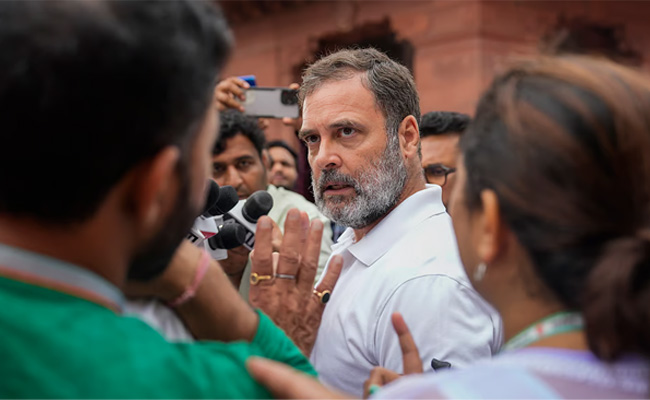
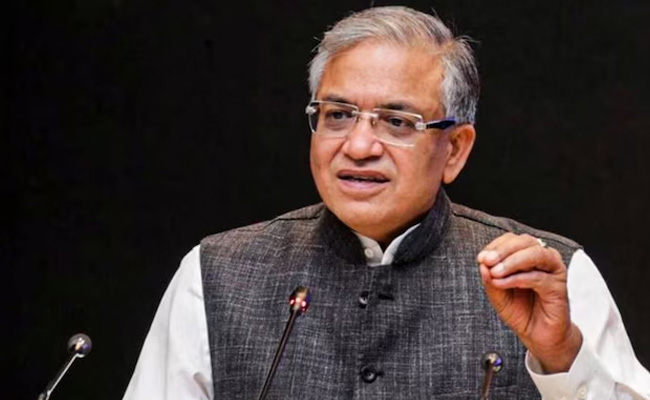
Congress MP Ujjwal Raman Singh said the government must explain the outcome of the meeting and reassure the people of the country.
“Look, while the meeting did take place, people do not know what its outcome was. Parliament is in session – he (Modi) should come to the House and reassure the people of the country about how, in the coming days, relief will be provided from the LPG crisis and rising inflation. The government must answer,” Singh told reporters inside the Parliament House complex.
ALSO READ: 4 vehicles belonging to Jewish ambulance service set on fire in London
Congress whip in the Lok Sabha, Manickam Tagore, criticised Modi for the “delay” in addressing the issue.
“After 14 days of silence and after 14 days of election campaign in Kerala, Tamil Nadu, Puducherry, Bengal and Assam, the prime minister has found time to speak about the energy crisis now.
“There is no clear-cut plan. By this time, the LPG shortage has increased. The commercial price of LPG has gone up by 40 per cent. Airfares are going to increase. What was the outcome of the meeting? Only tea, biscuits and discussions,” Tagore said.
Congress MP Manish Tiwari warned that the escalating hostilities in West Asia could disrupt global supply chains and impact essential commodities.
“There has been an escalation since Sunday to an unprecedented level. Iranians have ostensibly attempted to hit the Israeli nuclear research reactor. President (Donald) Trump has issued a warning which is going to expire this evening. So, the conflict has perhaps entered its most dangerous phase,” Tiwari said.
The Congress MP also claimed that around 3,000 ships are currently idling in the Persian Gulf and the Gulf of Oman, indicating a major disruption in maritime movement.
“There is a need to give diplomacy a chance. For the consumers, the criticality of the situation only gets more dire every moment because it is not only about crude oil, but also about fertiliser, food, pharmaceuticals and essential life-saving drugs,” he said.
“So there is a whole supply chain which has been disrupted. We have entered a very sensitive phase in this conflict after three weeks of hostilities,” he added.
Chairing the CCS meeting on Sunday, Modi directed that a group of ministers and secretaries be created to work dedicatedly in a whole-of-government approach to deal with the effects of the West Asia conflict, the official statement said.
The prime minister said the conflict is an evolving situation and the entire world is affected in some form.
In such a situation, he said, all efforts must be made to safeguard the citizens from the impact of this conflict.
Modi instructed that all arms of the government should work together to ensure the least inconvenience to the citizens.
Let the Truth be known. If you read VB and like VB, please be a VB Supporter and Help us deliver the Truth to one and all.
Lebanon appoints new representative for talks with Israel, rejects linkage to Iran
Beirut: Lebanon’s has moved to underline its independent position in ongoing regional developments, amid attempts to link the country to the broader conflict involving Iran, the United States and Israel.
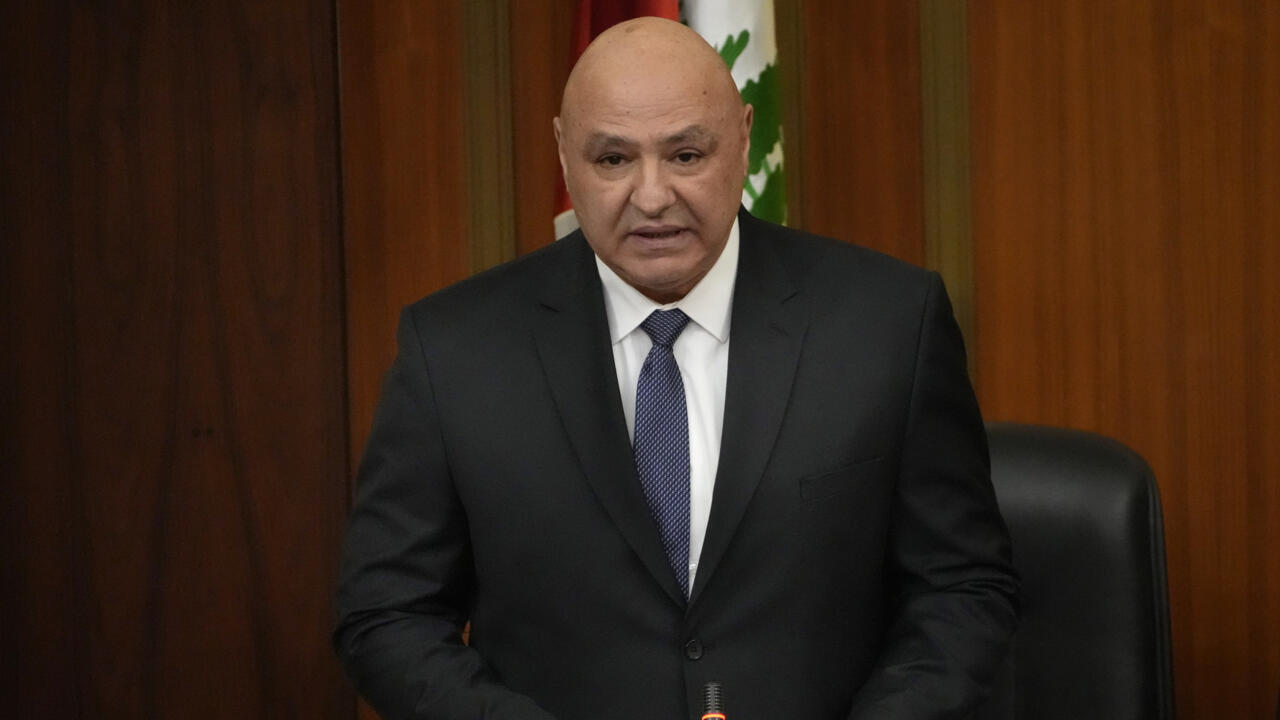
President Joseph Aoun, while announcing the appointment of former US ambassador Simon Karam as Lebanon’s representative in talks with Israel, made it clear that Karam would be the sole representative for Lebanon and that there would be no substitute.
The move comes in response to what the Lebanese officials see as efforts by Iran to tie Lebanon’s situation to the wider regional conflict. Iran had indicated that there would be no ceasefire involving the US, Israel and Iran unless it also included a ceasefire in Lebanon.
Some groups, including Hezbollah and its supporters, had expressed support for linking the situations, citing concerns that the Lebanese government has limited leverage in negotiations with Israel. Lebanon is not formally a party to the conflict, and its army is considered weak.
However, others, including Prime Minister Nawaf Salam, have opposed this approach. They view Iran’s stance as an attempt to influence Lebanon’s internal affairs and see it as undermining the country’s sovereignty.
Officials backing the government’s position say the move is aimed at reaffirming Lebanon’s sovereignty and ensuring that decisions about peace and ceasefire within the country are not dictated externally.
They also see it as a safeguard, so that any breakdown in talks between the US, Israel and Iran does not automatically lead to renewed conflict in Lebanon.