Continued unhygienic state of washrooms violation of fundamental rights of court users, SC told
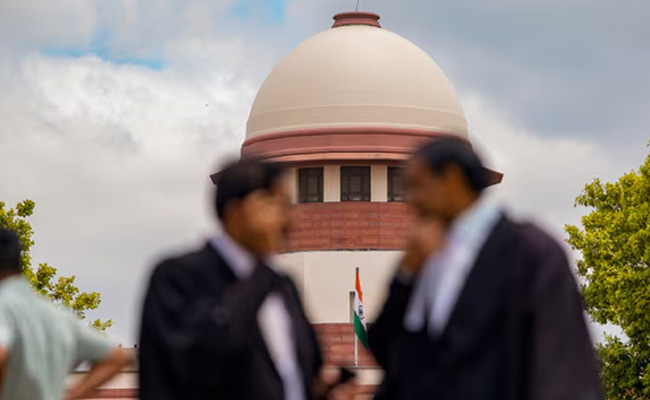
New Delhi (PTI): The continued unhygienic state of washrooms in court complexes across the country constitutes a persistent violation of the fundamental rights and the right to dignity of all users, including judges, advocates, litigants and staff, according to a status report filed on behalf of different high courts before the Supreme Court.
The apex court was informed that the poor condition of washrooms, even in the high courts in metropolitan cities, is not an isolated incident but shows a systemic and administrative failure in allocating funds, enforcing maintenance contracts and ensuring accountability.
"The existing infrastructure fails to meet the standards of a modern and inclusive public utility; it directly implicates the failure to ensure public health and sanitation.
"The absence of facilities for Persons with Disabilities (PwD) in major high courts and district courts constitutes a violation of their right to equality and non-discrimination, mandated by the Rights of Persons with Disabilities Act; this lack includes non-compliant construction, absence of ramps, support bars, and appropriate turning for wheelchairs," the status report said.
The top court was told that the failure of most courts to provide separate and gender neutral/inclusive washrooms for the third gender disregards the fundamental rights and dignity.
"The lack of functional crèche/childcare facilities (even where established) negatively impacts the right to practice a profession for female advocates and staff who are mothers, creating a barrier to gender equality in the legal profession.
"The situation is most critical in the subordinate judiciary, reflecting a profound infrastructure inequity. There is a need for micro-level development.
What is required is decentralised implementation, focusing on local needs assessment, specific budget allocation, and community-level oversight to ensure functional water supply, plumbing, and daily cleaning contracts for every single court complex," the status report said.
The apex court was informed that the poor state of these facilities affects the working conditions of judicial officers and staff in courts, especially located in rural areas, potentially impacting their health and efficiency, and diminishing the dignity of the institution of justice itself.
The submissions were made in a PIL filed by lawyer Rajeeb Kalita.
The apex court had on January 15 passed a slew of directions, saying the availability of public toilets is an important duty of the state governments and Union territories and steps need to be taken to ensure that such facilities are accessible to all.
Issuing a slew of directions, the apex court asked all the high courts, state governments and UTs to ensure the availability of separate toilet facilities for males, females, persons with disabilities, and transgender persons in all court premises and tribunals across the country.
Let the Truth be known. If you read VB and like VB, please be a VB Supporter and Help us deliver the Truth to one and all.
Trump says he ‘hasn’t even thought about’ continuing Iran ceasefire
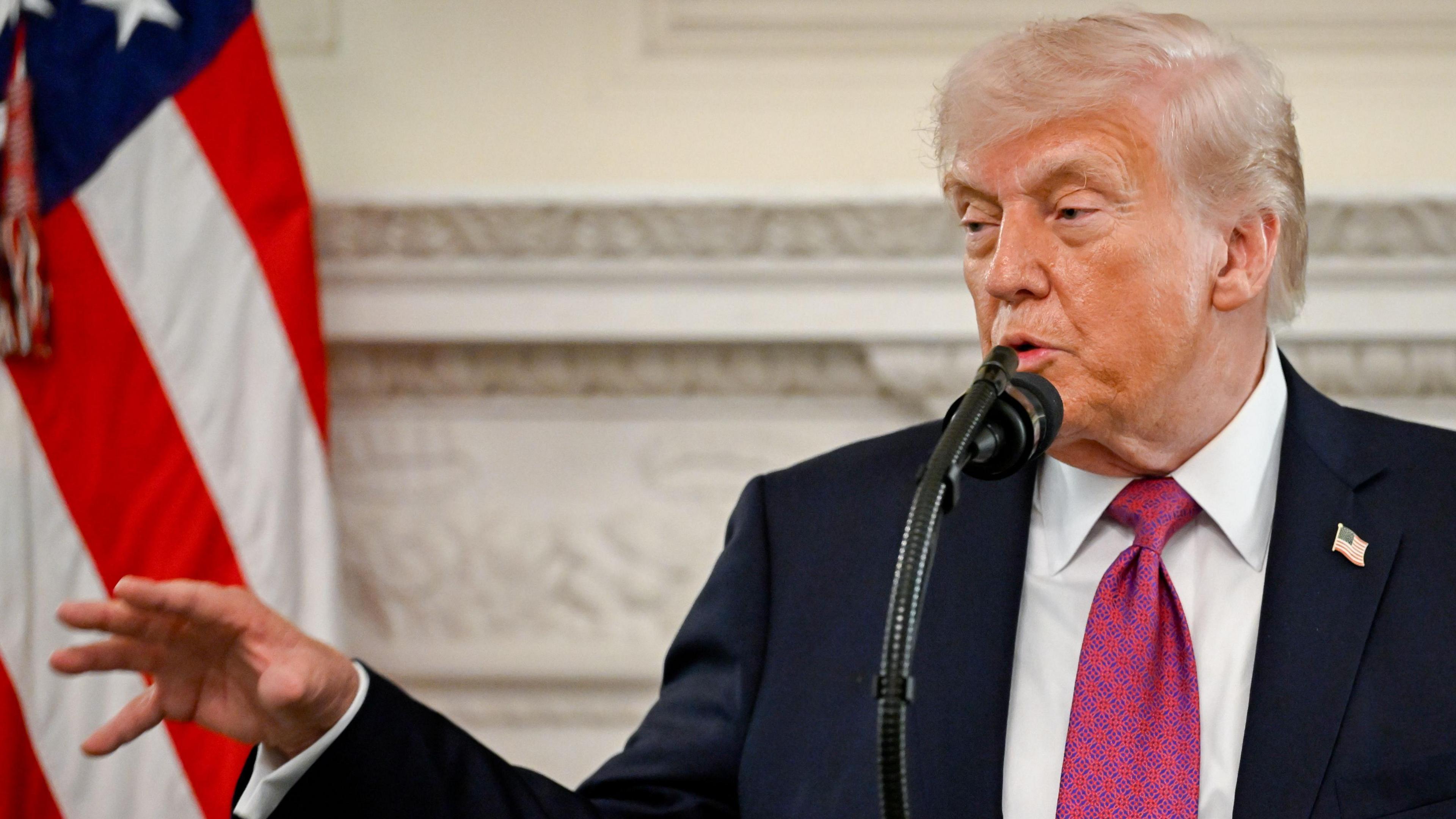
Washington: US President Donald Trump has said he has not yet considered whether he would continue the ceasefire involving Iran, while also claiming the United States holds the advantage in negotiations.
Speaking to reporters, Trump said he was prepared to make a deal with “whoever is running the show” in Iran.
“They are fighting with each other, there’s tremendous infighting. They’re probably fighting for leadership in many cases. I think they’re fighting not to be leader because we knocked out two levels of leaders,” he said.
Trump added, “When they want they can call me. We have all the cards, we’ve won everything.”
Referring to ongoing negotiations, he said, “They gave us a paper that should’ve been better. And, interestingly, immediately when I cancelled it [envoy trip to Pakistan], within 10 minutes we got a new paper that was much better.”
“We talked about they will not have a nuclear weapon, very simple … They offered a lot, but not enough,” he added.
When asked whether he would continue the ceasefire, Trump replied, “I haven’t even thought about it.”
The remarks come as uncertainty remains over the future of the temporary truce and broader negotiations between Washington and Tehran.