
Control your emotions and resume classes, Minister tells J&K students
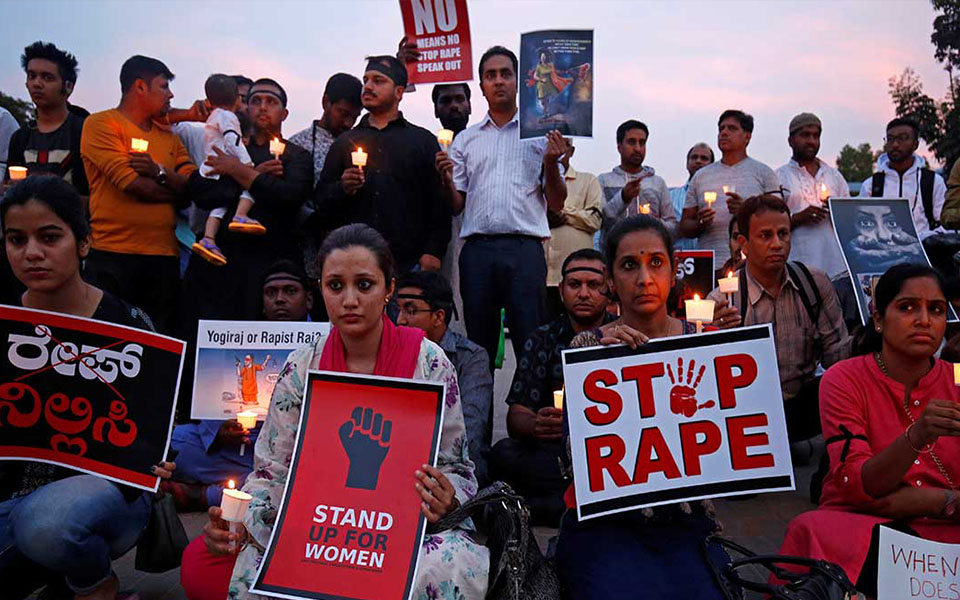
Srinagar, April 21: Jammu and Kashmir Education Minister Syed Altaf Bukhari on Saturday advised students protesting over the Kathua rape-murder case to control their emotions and resume their classes.
"After the Kathua incident, we gave the students a chance to vent their emotions. Students should control their emotions and now go back to their classes," the Minister told the media here.
The Minister said Kashmir cannot afford a generation of illiterates and urged everybody to help ensure that students resume academic activities.
He warned that if the present situation continued the state government would be forced to close down educational institutions. "The security of students is our paramount concern. That is why we close schools and colleges."
Kashmir has been in the throes of spiraling student protests in the past month or so to seek justice for the Kathua rape-murder victim whose body was found in Rasana village on January 10.
Let the Truth be known. If you read VB and like VB, please be a VB Supporter and Help us deliver the Truth to one and all.
Noida DM warns outsourcing agencies, workers against unruly conduct
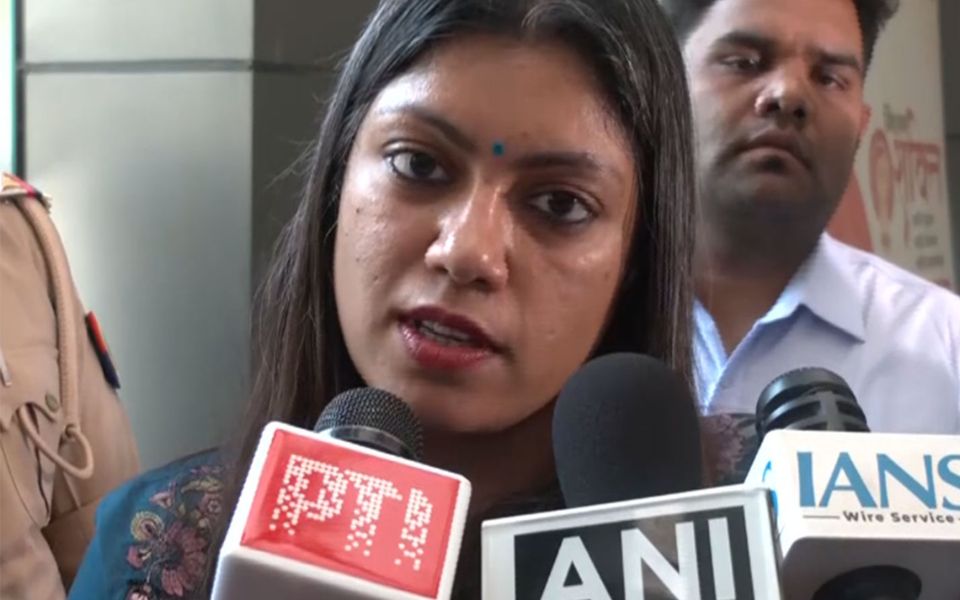
Noida (PTI): Gautam Buddh Nagar District Magistrate Medha Roopam has warned outsourcing agencies and contractors of strict action, including blacklisting and licence cancellation, in case of any unruly behaviour by them or their workers.
The warning comes in the wake of a large-scale protest by thousands of factory workers, including women, in Noida that turned violent on Monday.
Chairing a meeting with outsourcing agencies and contractors of various industrial units on Tuesday, Roopam stressed the need for 100 per cent compliance with government guidelines to maintain industrial peace in the district.
"All contractors must ensure 100 per cent adherence to government guidelines. If any unruly behaviour is exhibited by an agency, or by any of its employees or workers, the agency itself shall be held jointly responsible and in such instances, the agency may be blacklisted, and proceedings for the cancellation of its licence may be initiated," the DM said.
Referring to the revised minimum wage rates prescribed by the state government, the district magistrate said unskilled workers will receive Rs 13,690 per month, semi-skilled workers Rs 15,059, and skilled workers Rs 16,868.
She directed contractors to ensure full compliance with these wage standards and to transfer wages directly into workers' bank accounts.
Emphasising the interdependence of stakeholders, Roopam said industry, workers and employers are mutually complementary.
"The smooth operation of industries safeguards employment opportunities, while the stability of employers simultaneously ensures the future of the workforce," she said.
She cautioned that any disruption in industrial activity would adversely impact all stakeholders as well as the overall development of the state.
The district magistrate also appealed to the public not to pay heed to rumours or misleading information and urged all stakeholders to work with mutual cooperation and trust.
She assured that the state government remains committed to protecting the interests of both workers and employers, and that the administration stands ready to act promptly to resolve any issues.
_vb_76.jpeg)
_vb_00.jpeg)
_vb_80.jpeg)