Corona Vaccination: What Next?
Part-3
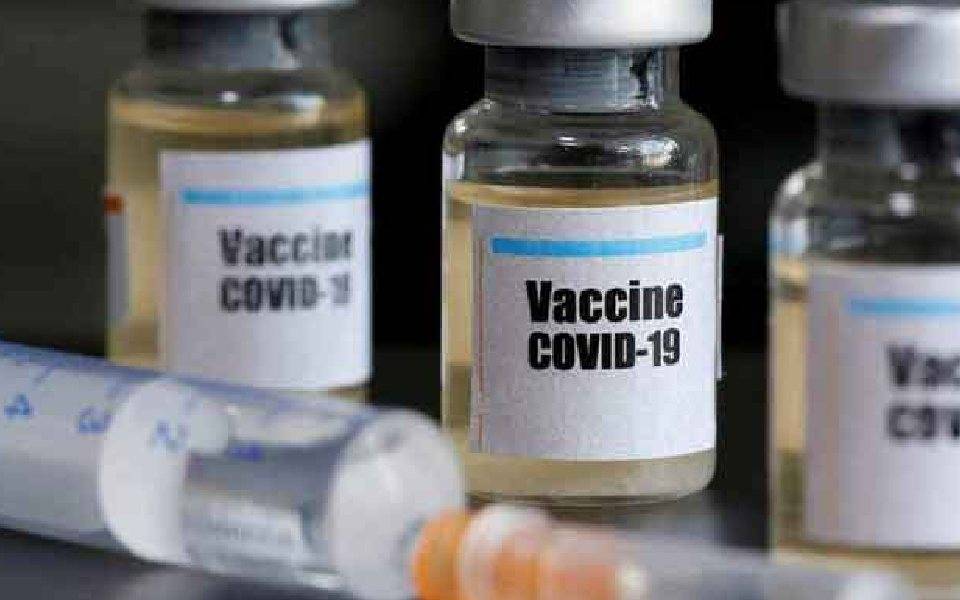
After vaccinating 95 crore people against COVID, without any evidence-based indications, without adequately informing them about the possible adverse effects, when several reports and admissions about serious adverse effects of these vaccines are emerging from studies all over the world and from vaccine manufacturers, and when cases of sudden cardiac arrest, heart attacks and strokes are being reported everyday from everywhere, naturally, anxiety and fears are increasing among those who have been vaccinated, but comforting answers are nowhere to be found.
It is urgently necessary for the government, doctors and vaccine companies who promoted and injected the vaccines in haste to do the needful to minimise the possible adverse effects and to alleviate the concerns of the people.
First of all, it is of utmost importance to place before our people all the details about the benefits and problems of corona vaccines, transparently and convincingly. In India, COVID related tests, hospitalisations, deaths and vaccinations have all been linked with personal Aadhaar numbers (whether it was right or wrong to do so is another matter), making it therefore easy to correlate these. Such analyses should be conducted and their reports should be made available to the public immediately. How many people who were previously infected were given the vaccine, how many people got infected after getting the vaccine, how many people who got the vaccine got infected thereafter and developed complications or died because of COVID, and all information on AEFI - incidence, recovery, disabilities, deaths etc., should be analysed and transparently published. The final reports of phase 3 and phase 4 trials conducted in India on Covishield and Covaxin vaccines should also be published immediately.
Second, incidence of thrombosis and thrombocytopenia syndrome, and of cerebral venous sinus thrombosis, splanchnic vein thrombosis, deep vein thrombosis, pulmonary embolism, thrombosis in retinal vessels, Guillain Barre syndrome etc., and their relationship to corona infection and corona vaccination must be studied and the reports must be published.
Thirdly, studies about the prevalence of anti-platelet factor 4 antibodies must be conducted in at least three to four thousand people, in sub groups such as Covishield vaccinated, Covaxin vaccinated, unvaccinated, and among these three groups, Corona infected and uninfected. Also, studies should be conducted to examine anti-platelet factor 4 antibodies in cases of cerebral venous sinus thrombosis, splanchnic vein thrombosis, deep vein thrombosis, pulmonary embolism, thrombosis in retinal vessels, heart attacks, sudden cardiac arrests, and strokes. Since these studies are difficult, complex and costly, they can be conducted in premier institutes like AIIMS, Jayadeva Heart Institute etc., independently in collaboration with ICMR. Unless such studies are conducted honestly, there will be no evidence that Corona vaccines are safe or that vaccines are the cause of all the serious problems mentioned above.
Fourth, the government should be compassionate and provide appropriate compensation to those who have suffered serious complications and died from vaccine-related adverse effects that have already been confirmed.
Fifthly, with all the emerging evidence and court admissions, it is baseless and even dishonest to deny and refuse to register the adverse effects due to Corona vaccines. It is also futile to try and justify this vaccination, claiming it as absolutely essential and the adverse effects as negligible. Instead, our people must be told the truth and comforted.
What can the vaccinated do?
It is not possible to extract the vaccine that has been injected into the body unnecessarily. One also cannot keep worrying about the adverse effects that have now been admitted to, nor about the increasing reports of sudden cardiac arrests and other vascular events. It is also fruitless to be frustrated that the government, vaccine makers and medical fraternity are not forthcoming with reliable information and solutions to these concerns. Therefore, the general public who have been vaccinated should focus on protecting their own physical and mental health.
It was known at the beginning of the corona pandemic that the new corona virus and COVID increase inflammation in our body, and act on ACE2 receptors which are closely linked to the regulation of blood sugar level, metabolism, blood pressure, inflammation and blood vessel health. For the same reason, it was clear that COVID could get worsened and complicated in people with modern diseases like diabetes, high blood pressure, obesity, heart disease, and that these diseases could also get worsened due to COVID. Since the covid vaccines also contain the spike proteins of the corona virus that act on ACE2 receptors, and since these vaccines have been given to those already infected, the possibility of effects on all these diseases and vice versa needs to be considered. In addition, it is clear that these modern diseases are intimately related to modern diet, lifestyle, and daily stressors, all of which can be aggravating each other. Lockdowns, closure of schools, colleges and offices and work-from-home, closure of stadia, gymnasia, other sporting activities, shut down of communities that stopped daily walking and other exercises, and other such mindless measures during the corona pandemic led to unhealthy changes in diet, cut down physical activities, and worsened mental stress. All these could have compounded the vicious cycle of metabolic diseases, covid, and vaccination induced adverse events.
As the lock downs, masks etc. failed and almost everyone in the country has been infected with corona virus and except for the small children, more than 90 percent people have been vaccinated against Corona, it is not possible to completely eliminate the possible consequences of these. But it is possible to reduce the risks of thrombosis, heart attacks and strokes, and everyone should make that effort. Good control of diabetes and high blood pressure, avoiding foods and lifestyles that cause and worsen these diseases and also obesity and inflammation, brisk walking or swimming for 30-60 minutes a day, adequate rest, relaxation and at least 7-8 hours of sleep at night are essential. Avoiding animal milk and dairy products, sugar and sugary/sweetened foods and beverages, fruits and fruit juices, processed and fast foods, avoiding alcohol, and smoking can all help protect heart and blood vessel health.
Persons with coronary artery disease tend to have premonitory symptoms before suffering a heart attack, which should not be ignored and appropriate tests should be done. Sometimes even the doctor may not take these complaints seriously, in which case the person with the problem may have to force the doctor to do the relevant tests. Coronary artery disease results in compromised blood flow to the cardiac muscles and the person feels difficulties during exertion which can manifest differently. On walking, climbing stairs or heights, playing, etc , the person may have a feeling of strangulation, tightness, pressure, or heaviness in the chest, burning or bloating in the upper abdomen, pain or a pull over the neck, shoulders, lower back, lower jaws or upper back, difficulty breathing, palpitations, or dizziness. If any of these symptoms occur while doing any work, and if they recur every time one does such work, it is a good idea to get tested for coronary artery disease. Sometimes an ECG alone may not reveal the diagnosis in people with underlying coronary artery disease; therefore, if there are obvious symptoms and no abnormalities on the ECG, a treadmill test or angiogram may be needed.
Treatments to cleanse or detox the body of the vaccinated, or tests for assessing the risks of thrombosis etc., are neither available nor recommended nor needed.
Due to the inhumane and unscientific measures during COVID pandemic and corona vaccination, the masses have lost faith in modern medicine and the medical profession, and the medical fraternity is more to blame than the government and the vaccine companies. If modern medicine and the medical profession are to regain and retain people's trust, there is an urgent need to admit the mistakes of the corona period and honestly present scientific, evidence-based information about the vaccine to the people. All doctors need to know that a doctor's commitment should be to medical science, the good of the people, and the truth, and not to any government, political party or leader, or any drug or vaccine company. That is the lesson to be learnt from the mistakes committed during corona infection and corona vaccination.
Let the Truth be known. If you read VB and like VB, please be a VB Supporter and Help us deliver the Truth to one and all.
Two arrested in K'taka for assaulting minors, uploading CSAM content

Bengaluru (PTI): Two men were arrested for allegedly sexually assaulting two minor girls, recording the acts on mobile phones and uploading the videos online as child sexual abuse material, police said on Thursday.
The accused have been identified as Kiran Kumar (29), hailing from Chitradurga district, and Aditya M K (20), hailing from Shivamogga district, they said.
A probe was initiated after information was received from the NCRP portal regarding a suspected instance of creation of Child Sexual Abuse Material (CSAM) for online dissemination, police said.
Accordingly, a case was registered at Kaggalipura Police Station under relevant sections of the IT Act on May 10, they added.
Investigation revealed that two minor girl victims were exploited and videos were created and uploaded to the internet. The child victims have subsequently recorded their statements as per procedure and further necessary legal steps have been taken, Pronab Mohanty Director General of Police, Cyber Command, said in a statement.
Based on the statements of the victims, the accused persons, who allegedly assaulted the minors, recorded the acts on mobile phones and uploaded the videos online, were arrested, he said.
Following the probe, sections 65(2) (rape) and 70 (gangrape) of the Bharatiya Nyaya Sanhita, along with relevant sections of the POCSO Act, have been added to the FIR, police said.
Officials collected relevant information and on May 12, arrested the accused persons and seized three mobile phones belonging to them, in which the videos had allegedly been recorded, he said.
The accused were later produced before the court and taken into police custody for further investigation, he added.
According to him, in CSAM cases, police usually apprehend offenders who have downloaded such content or have kept them in their possession after obtaining them from elsewhere, usually the internet.
"The present case is one of the very few instances where content creators and uploaders have been apprehended," Mohanty added.