Court rejects Uttar Pradesh BJP’s bid to drop Akhlaq lynching case, orders day-to-day trial
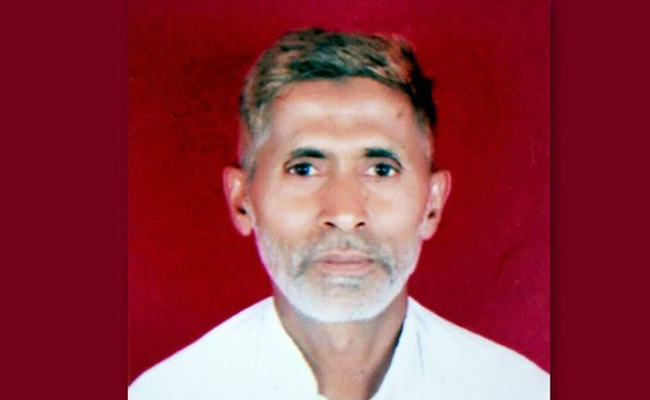
Lucknow: A court in Surajpur refused the Uttar Pradesh government’s request to withdraw prosecution in the 2015 lynching of Mohammad Akhlaq and directed that the case be taken up for expedited trial with daily hearings.
Additional District Judge Saurabh Dwivedi categorised the matter as “most important” and ordered the prosecution to begin recording evidence without delay. To ensure complete protection of all evidence, the court also directed on Tuesday, that letters be sent to the Police Commissioner of Gautam Buddha Nagar and the Deputy Commissioner of Police, Greater Noida. The next hearing has been scheduled for January 6.
Following rumours that he had slaughtered a cow and stored beef at his residence, Mohammad Akhlaq, 50, was lynched by a mob on September 28, 2015, in Bisada village of Dadri in Gautam Buddha Nagar district. Akhlaq and his son Danish were dragged out of their home and assaulted after an announcement was allegedly made from a temple loudspeaker. Akhlaq later died at a hospital in Noida, while Danish survived after sustaining critical head injuries. Akhlaq’s killing had sparked nationwide protests under the banner “Not In My Name."
All 18 accused villagers were released on bail by September 2017, after the BJP-led government under Chief Minister Adityanath assumed office. One of the accused is the son of a local BJP leader. While the accused returned to the village, Akhlaq’s family moved away citing fear and hostility.
The accused were charged under multiple provisions of the Indian Penal Code regarding murder, attempt to murder, voluntarily causing hurt, intentional insult to provoke breach of peace, and criminal intimidation.
On October 15, the Uttar Pradesh government moved an application seeking withdrawal of the case. The petition cited alleged inconsistencies in statements by Akhlaq’s family, the absence of recovered firearms or sharp weapons, and the lack of prior enmity between the accused and the victim.
The court’s order comes amid a legal challenge by Akhlaq’s wife before the Allahabad High Court. She has contested the state government’s decision to withdraw the prosecution and the related application filed by the public prosecutor. Her appeal also challenged a series of administrative orders issued between August and September 2025 that resulted in the withdrawal plea, according to Maktoob Media.
The petition argues that under Section 321 of the Code of Criminal Procedure, any withdrawal from prosecution requires the court’s consent and must be assessed independently to ensure it does not result in a miscarriage of justice.
Reacting to the court’s decision, CPI(M) leader Brinda Karat said the order reaffirmed the primacy of judicial scrutiny and described it as a significant step towards justice.
Let the Truth be known. If you read VB and like VB, please be a VB Supporter and Help us deliver the Truth to one and all.
Sengottaiyan secures historic 10th victory in Gobichettipalayam assembly constituency
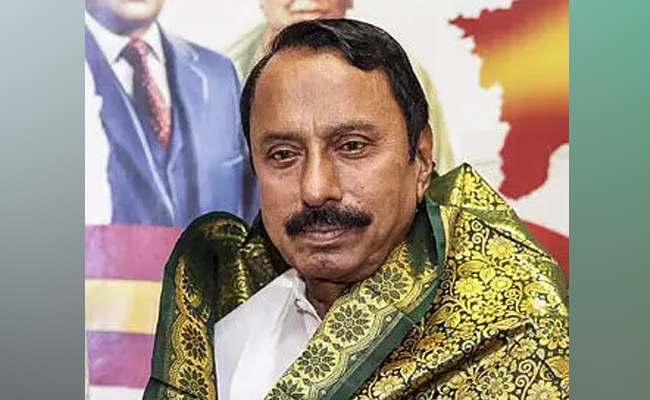
Gobichettipalayam (Tamil Nadu) (PTI): In a historic 10th win, veteran leader K A Sengottaiyan clinched the Gobichettipalayam seat in the 2026 Assembly elections.
Contesting for the first time under actor Vijay’s TVK, the 78-year-old secured approximately 71,380 votes, defeating DMK’s N Nallasivam by a margin of nearly 13,000 votes.
This win marks Sengottaiyan’s 10th consecutive victory in the constituency, cementing his status as an immovable force in the region despite his high-profile exit from the AIADMK in late 2025.
His success was a cornerstone for the TVK, which emerged as a formidable force across the state. Supporters celebrated the win as a testament to Sengottaiyan’s personal influence, which successfully transitioned from his former Dravidian home to the newly formed TVK.