COVID-19 facility should have provision for psychiatric consultation: Health Ministry
New Delhi: Highlighting that coronavirus pandemic has induced mental health concerns, both pre-existing and new-onset triggered by lifestyle restrictions and uncertain future, the Centre has issued guidelines stating that COVID-19 facilities should have provision for psychiatric consultation.
The Union health ministry on Sunday issued 'Guidelines on Managing Mental Illness in Hospital Settings during COVID-19' stating there are at least three groups affected by mental health concerns during the pandemic.
Research suggests that depression (present in about 30 percent of diagnosed patients) and symptoms of post-traumatic stress disorder (almost everybody diagnosed with COVID-19--96 percent) could be extremely high.
Secondly, pre-existent patients with psychiatric disorders may experience a recurrence or worsening of their symptoms during the pandemic.
Thirdly, a wide variety of psychiatric symptoms, including anxiety (ranging from mild to severe), worries, non-specific psychological distress, depression, stress symptoms, insomnia, hallucinations, paranoid and suicidal ideations, among others, have been noted during the pandemic.
"In addition, worries related to the restriction of lifestyles, issues related to special populations including children and adolescents, job losses and uncertainty about future, increase in domestic violence and child abuse have also been reported.
"Therefore, there is a need for specific guidelines for medical officers and mental health professionals on how to prevent the infection and provide COVID-19 related care in hospital-based settings," the document stated.
The COVID-19 pandemic has put an inordinate strain on health facilities, and posed unique challenges to mental health care delivery, both in the community and institutional and hospital settings, it said.
According to the guidelines, COVID-19 facility should have a facility for consultation with a psychiatrist either in person or by tele-consultation, while admitting a person with mental illness, and at no point should any psychotropic medication be stopped abruptly without a psychiatrist's advice, unless in case of a life-threatening emergency.
Also, the bed allocated for the patient should be preferably close to the nursing station to ensure he or she can be observed round-the-clock while steps must be taken to ensure that the windows are well boarded and there is no access to instruments to harm self/others, they said.
Information about PPE and social distancing can be provided using simple language and visual depictions or videos and contact with caregivers should be maintained via the video-call facility at set times in the day.
Care-givers must be provided daily updates regarding both the physical and mental health conditions of the patient, the guidelines stated.
The challenges faced by mental health service providers include difficulty in isolating/quarantining patients with active symptoms of mania and acute psychosis, as well as people with mental health emergencies.
Also, patients with psychiatric disorders (by virtue of their symptoms) may not cooperate during swabbing and testing and thus may have to be sedated, and some of the procedures and appropriate tests may get delayed.
"Staff has to be in close contact with some of the patients who are at risk of violence or suicidality and to keep a check on them frequently.
"Some patients may be uncooperative or at times hostile (for example, those with delusional disorders, psychotic disorders) to the treating team, creating additional challenges to the health providers. Provisions of the Mental Healthcare Act, 2017 have to be complied with-particularly those related to the assessment of capacity, supported admission, etc," the document highlighted.
Besides, homeless persons with mental illnesses are usually brought (including those with intellectual disabilities) to Mental Health Establishments (MHEs). Such patients often fail to provide proper history and no reliable informants would be available in most cases.
Also, the lack of identity proof and valid phone number for the COVID testing (prerequisite as per the ICMR guidelines) are commonly seen in this population, adding to the challenges faced by the mental health service providers, it said.
"Patients and caregivers need to be encouraged not to visit OPDs of MHEs unless any emergency arises. In case of difficulty in procuring medications locally, they can contact the local/state/national helpline number services for further assistance.
"Services like home visits for patients who are unable to visit the OPDs, but require clinical consultation need to be initiated," the guidelines said.
The guidelines also stated that MHEs need to constitute a Hospital Infection Committee which ensures the implementation of the newer norms recommended by the health ministry during the pandemic at their establishments, so as to safely practice mental health services.
As far as outpatient facilities are concerned, only appointment-based OPD consultations to prevent crowding should be encouraged.
In addition, provision for telemedicine/tele-psychiatry services shall be utilized for reducing the footfalls further.
The document mentions guidelines for the management of COVID-19 in special populations -- elderly with mental illness, perinatal women with mental illness, children and adolescents with mental illness, substance use disorder (Alcohol), and substance use disorder (Tobacco).
Let the Truth be known. If you read VB and like VB, please be a VB Supporter and Help us deliver the Truth to one and all.
Remarks against St Francis Xavier: Right-wing speaker Gautam Khattar gets bail
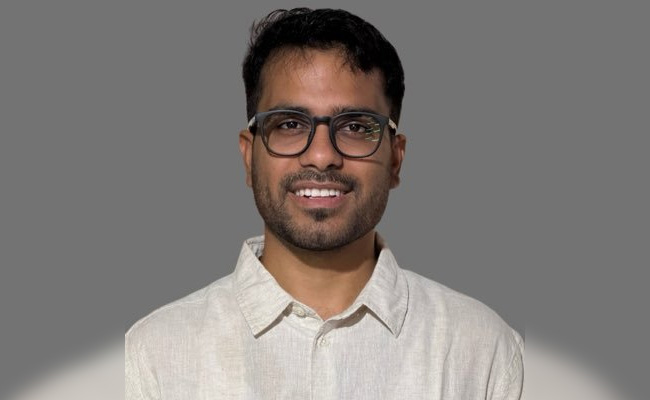
Panaji (PTI): A court in Goa on Saturday granted bail to right-wing speaker Gautam Khattar, who was arrested after he allegedly made derogatory comments against St Francis Xavier.
Judicial Magistrate First Class, Vasco, granted regular bail to Khattar, currently admitted to Goa Medical College and Hospital at Bambolim for treatment of chest pain after he was shifted from the District Hospital in Mapusa two days back.
A row erupted after a video of remarks by Khattar, the founder of Sanatan Mahasangh, at an event on April 18 in the presence of Swami Brahmeshanand, State Transport Minister Mauvin Godinho and BJP MLAs Sankulp Amonkar and Daji (Krishna) Salkar, went viral.
St Francis Xavier is revered as the patron saint of Goa.
The controversial remarks led to the Vasco Police registering an FIR against Khattar on charges of hurting religious sentiments and creating enmity between groups.
He was detained in Kullu, Himachal Pradesh, by local police. His custody was later handed over to the Goa Crime Branch, according to officials.