COVID-19: Rlys' refund exceeds earning from passengers in Q1, but freight holds ground, RTI finds
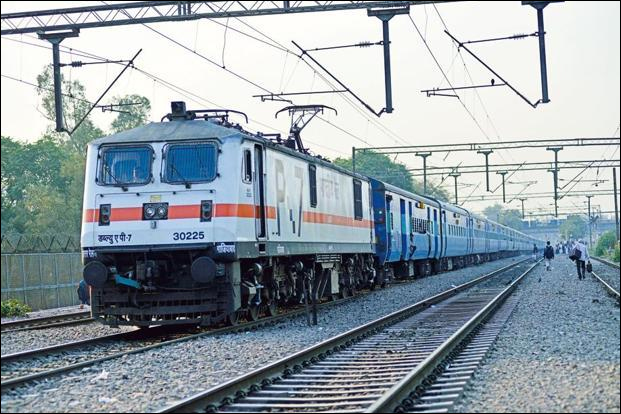
New Delhi: Perhaps for the first time in its 167-year-long history, the Railways has refunded more than it has earned from ticket bookings, registering a negative passenger segment revenue of Rs 1,066 crore in the COVID-19-hit first quarter of 2020-21, an RTI query has found.
The freight earnings, however, during the period managed to hold ground, according to the RTI reply provided by the Railways to Chandra Shekhar Gaur, a Madhya Pradesh-based activist.
The first three months of this financial year, when the Railways had to suspend all its regular passenger services due to the coronavirus travel restrictions, the national transporter's revenue was in the negative -- Rs 531.12 crore in April, Rs 145.24 crore in May and Rs 390.6 in June (all in negative), the RTI reply said.
"The minus figures are being shown due to the fact that the value of refunds is more than the value of tickets booked, said Railway spokesperson DJ Narain.
An official explained that due to the suspension of services, tickets booked for travel in April, May and June were offered refunds, while fewer tickets were booked during these three months due to the restrictions.
The Railways has cancelled all regular passenger services indefinitely.
In the first quarter of the 2019-20 fiscal, the Railways had earned Rs 4,345 crore in April, Rs 4,463 crore in May and Rs 4,589 crore in June.
The Railways has said that due to the pandemic, it is envisaging a loss of around Rs 40,000 crore this financial year.
Passenger revenues of Railways are naturally expected to be low this year due to suspension of most of the services due to COVID-19 pandemic, Narain said.
However, freight traffic seems to have recovered somewhat since the Railways was the only mode by which essentials were being ferried for those three months.
In April 2020, the freight earning was Rs 5,744 crore, in May it was 7,289 crore and in June the number stood at Rs 8,706 crore. In the first quarter of last fiscal year, it earned Rs 9,331 crore in April, Rs 10,032 crore in May and Rs 9,702 crore in June.
Narain said the Railways' freight operations during the last two weeks are higher than the last year's corresponding figures for the same period.
This is a very encouraging and positive sign for the things to come, he said.
A concerted effort by railway officials and better management practices will ensure that revenue lost in passenger segment is significantly offset by an outstanding freight performance, Narain said.
The Railways said that it has also suffered losses to the tune of Rs 2,000 crore in the running of the Shramik Special trains which began operations from May 1 to ferry stranded migrant workers home.
Let the Truth be known. If you read VB and like VB, please be a VB Supporter and Help us deliver the Truth to one and all.
Congress using hijab issue to pacify minority anger, alleges Karnataka LoP R Ashoka
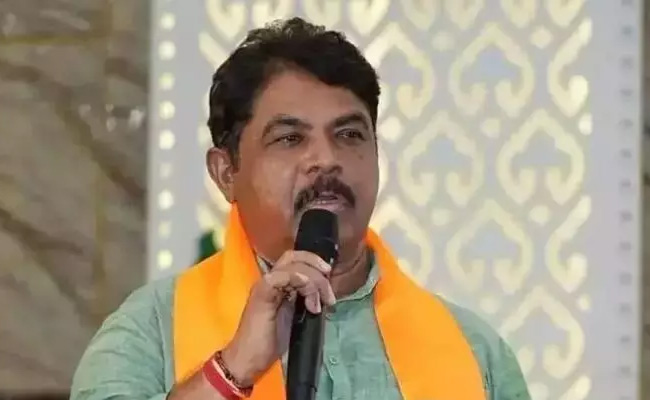
Bengaluru: Leader of Opposition in the Assembly R. Ashoka has accused the Congress government of using the hijab issue to placate what he described as discontent among minority voters after the Davanagere by-election.
In a post on X on Wednesday, Ashoka alleged that the state government, instead of addressing issues such as price rise, corruption, farmers’ distress and law and order, was attempting to retain its minority vote base by reviving the hijab issue.
Referring to the 2022 dress code introduced by the BJP government, which prohibited hijab in schools and colleges, Ashoka said the Karnataka High Court had upheld the policy and emphasised the importance of discipline in educational institutions.
He questioned the Congress government’s move to revisit the issue and asked whether setting aside the court-backed policy to benefit one community could be described as secularism.
Ashoka further alleged that while the government was willing to permit hijab, it continued to prohibit saffron shawls.
He accused the government of dividing students on religious lines rather than treating schools and colleges as spaces of equality.
Drawing a comparison with Mamata Banerjee’s government in West Bengal, Ashoka claimed that excessive appeasement politics had harmed the state and warned that the Congress in Karnataka could face a similar political response.
He said voters in Karnataka would teach the Congress a lesson for what he termed “vote-bank politics” and for compromising constitutional and judicial principles.