COVID-19 vaccine's emergency authorisation could be considered if govt decides: ICMR
New Delhi: A top ICMR official told a parliamentary panel on Wednesday that phase-two clinical trial of two indigenously developed COVID-19 vaccine candidates have almost been completed and emergency authorisation of a vaccine could be considered if the Centre decides so.
Indian Council of Medical Research (ICMR) Director General Balram Bhargava informed members of the parliamentary standing committee on home affairs that the vaccine candidates developed by Bharat Biotech, Cadila and the Serum Institute of India are at different stages of trial, said an MP present in the meeting.
The COVID-19 vaccine candidates coordinated by Bharat Biotech and Cadila are nearing completion of phase-two trails.
The one being handled by the Serum Institute of India and developed by Oxford University will enter phase-2 (b) trials this weekend for which 1,700 patients have been identified at 17 centres across the country, the MP said.
According to MPs who attended the meeting, when asked how long people will have to live with the pandemic, Bhargava replied that normally the final trial takes about six to nine months but if the governments decides, an emergency authorisation could be considered.
Responding to queries by the panel about the saliva test cleared by FDA in the US for rapid detection of SARS-CoV-2, Bhargava said informed that taking samples from gargled water is already under consideration and further details will be available soon, said another MP who attended the meeting.
Members of the parliamentary committee cutting across party lines complemented the ICMR in particular and the medical fraternity in general for their committed role in fighting the pandemic.
They appreciated the ICMR for its pioneering role in coordinating the scientific and medical aspects of the battle against COVID-19 and appreciated AIIMS, Delhi, for its effective contribution as a lead mentor for hospitals across the country on various aspects of the pandemic management.
The committee members expressed concern over stigmatisation of infected people both by kin and neighbours and noted that those afflicted by COVID-19 and have recovered are not harmful, instead beneficial to the society.
About the mental stress among the people due to the pandemic, ICMR agreed to the panel members' suggestion of reviewing the existing limited set of guidelines relating to management of psychological stress, an MP in the panel said.
The apex medical research body also told the committee that it may soon come out with comprehensive revised guidelines so as to help all the concerned to cope with the stress caused by the outbreak of the viral disease.
Among various issues raised, the panel members drew the ICMR's attention to the situation being faced by school children in particular, as with online learning they are required to spend long hours in front of computers and other gadgets which is adversely impacting their eyesight and causing psychological stress.
The meeting, chaired by senior Congress leader and Rajya Sabha MP Anand Sharma, lasted for over four hours and discussed various aspects of management of the COVID-19 pandemic and also its impact on the micro, small and medium enterprises (MSME) sector.
Secretary, Ministry of MSMEs, Arvind Kumar Sharma also appeared before the panel and briefed it about the impact of pandemic on the sector.
Chairman of the parliamentary standing committee Anand Sharma stressed that the sector which contributes 50 per cent of the total exports, 30 per cent of GDP besides employing over 11 crore people was among the worst hit by the pandemic.
The Secretary in the Ministry of MSMEs informed the panel that only 9 per cent of the total 6.33 crore MSME units have been shut due to the pandemic and there has been an improvement in capacity utilisation over the last few months.
Anand Sharma said the committee would like to present a detailed report on the handling of pandemic to both the Houses of Parliament in the Monsoon Session based on the experiences of various stakeholders and lessons learned which would serve as a useful guide for the future, sources said.
Let the Truth be known. If you read VB and like VB, please be a VB Supporter and Help us deliver the Truth to one and all.
Yenepoya University conducts autism awareness campaign in Mangaluru
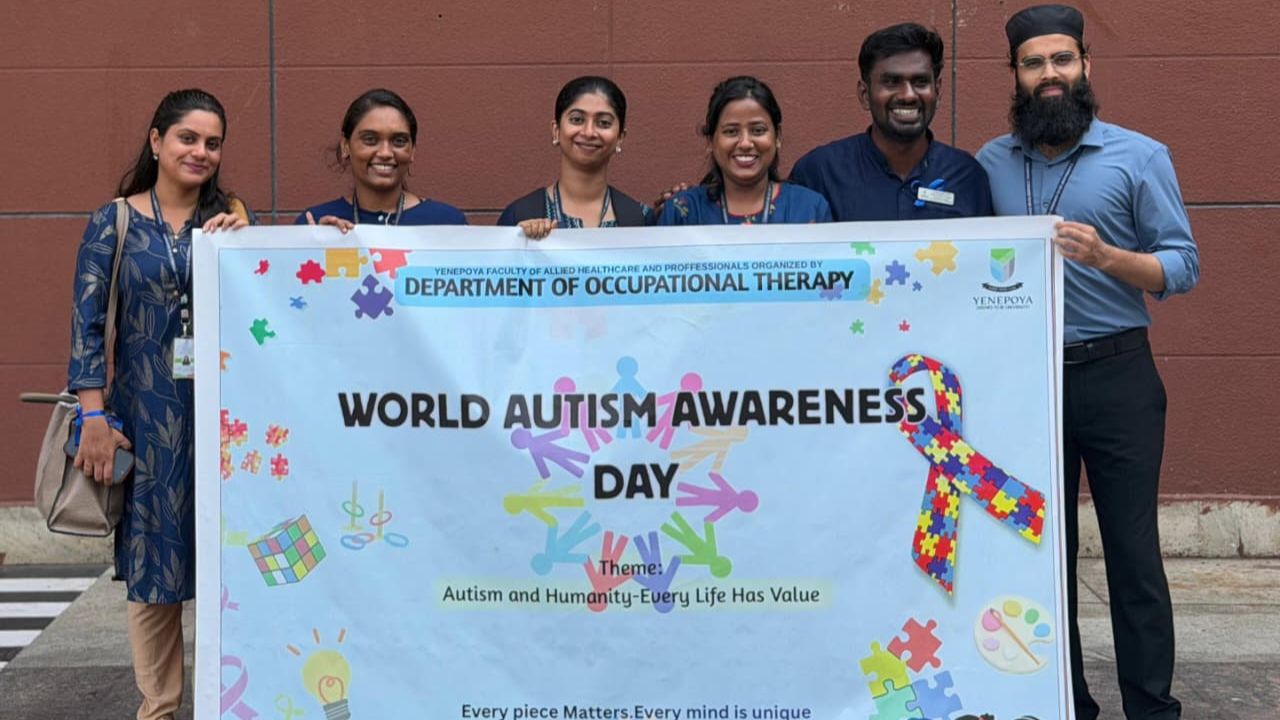
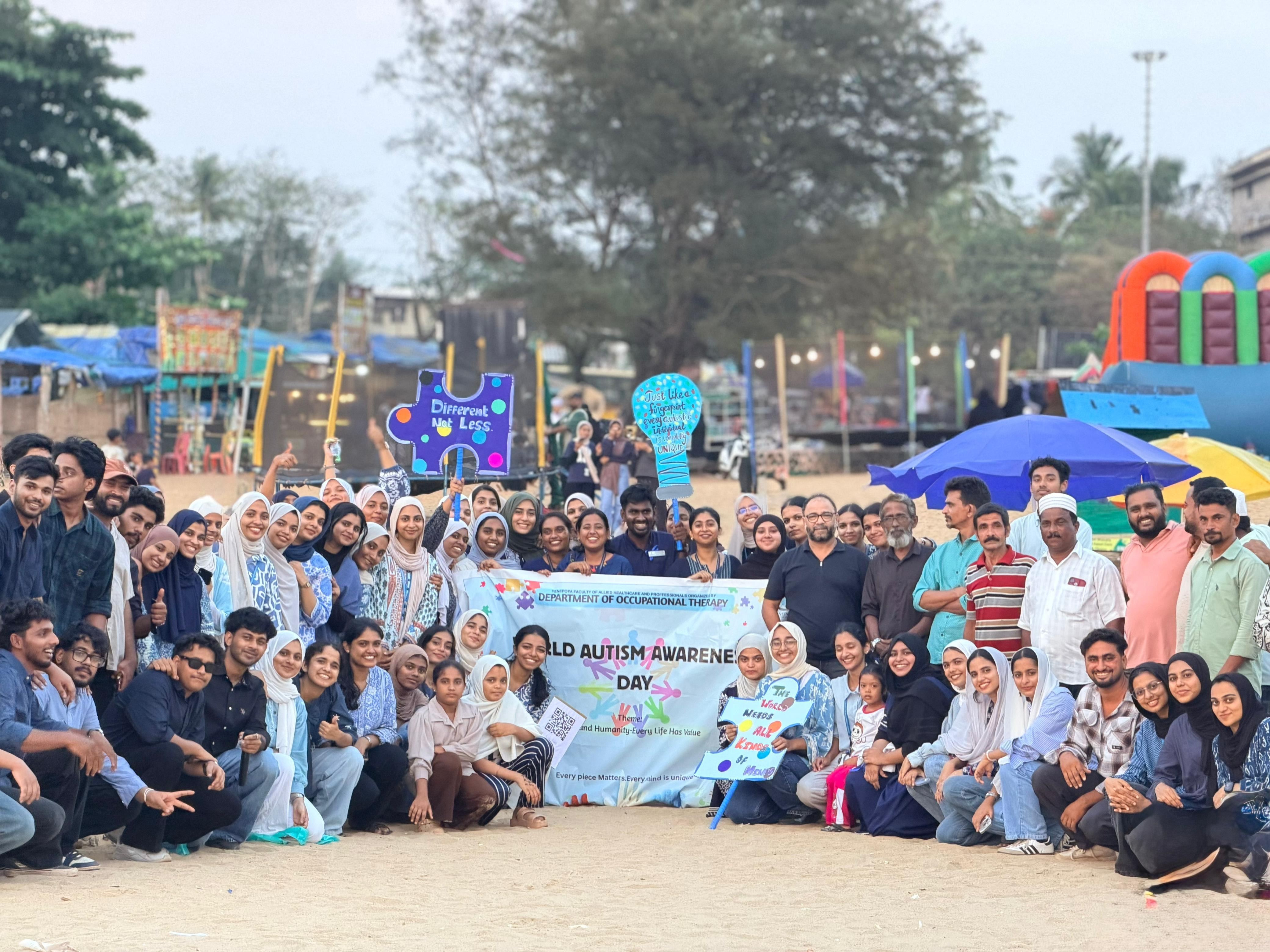
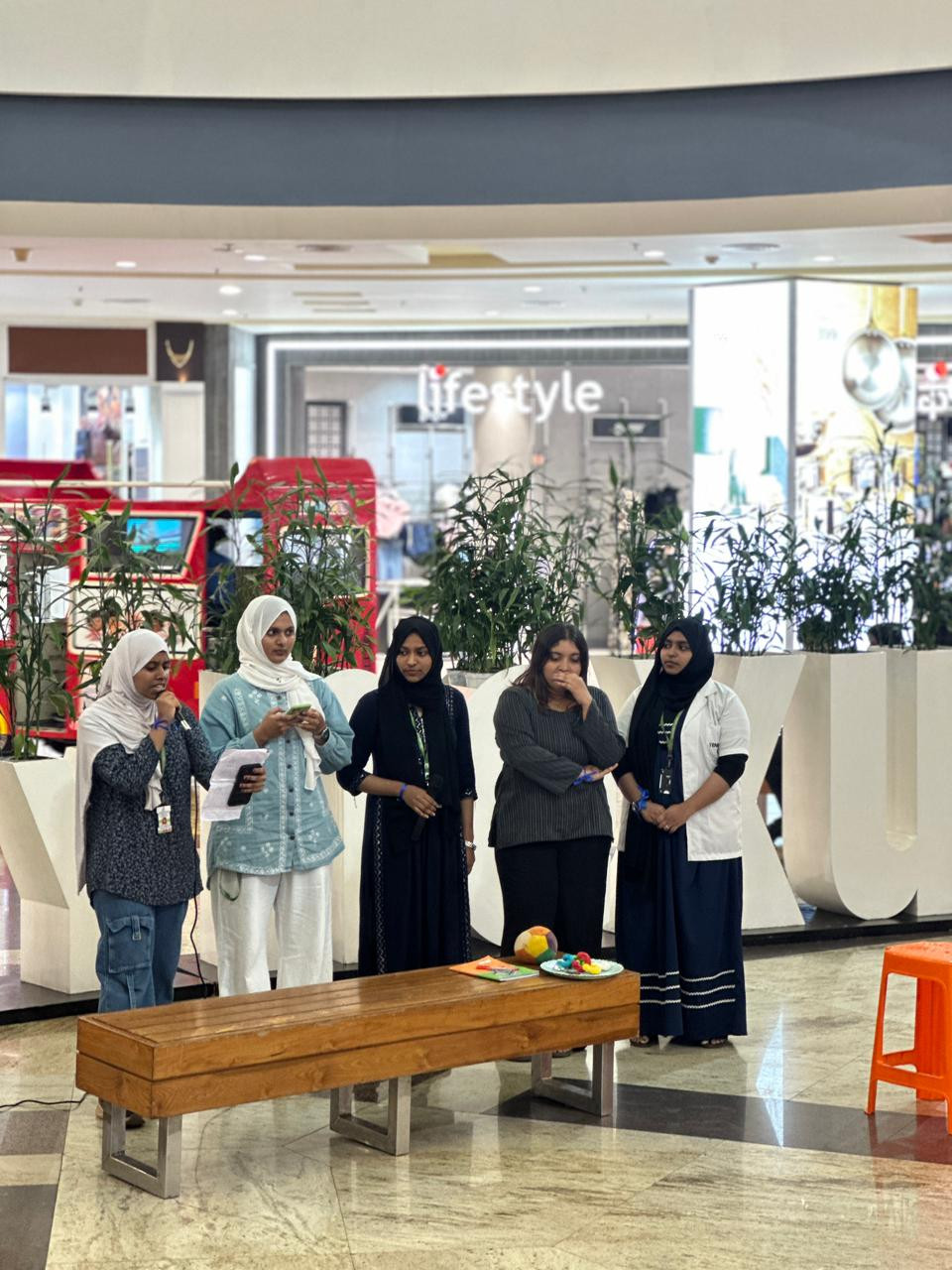
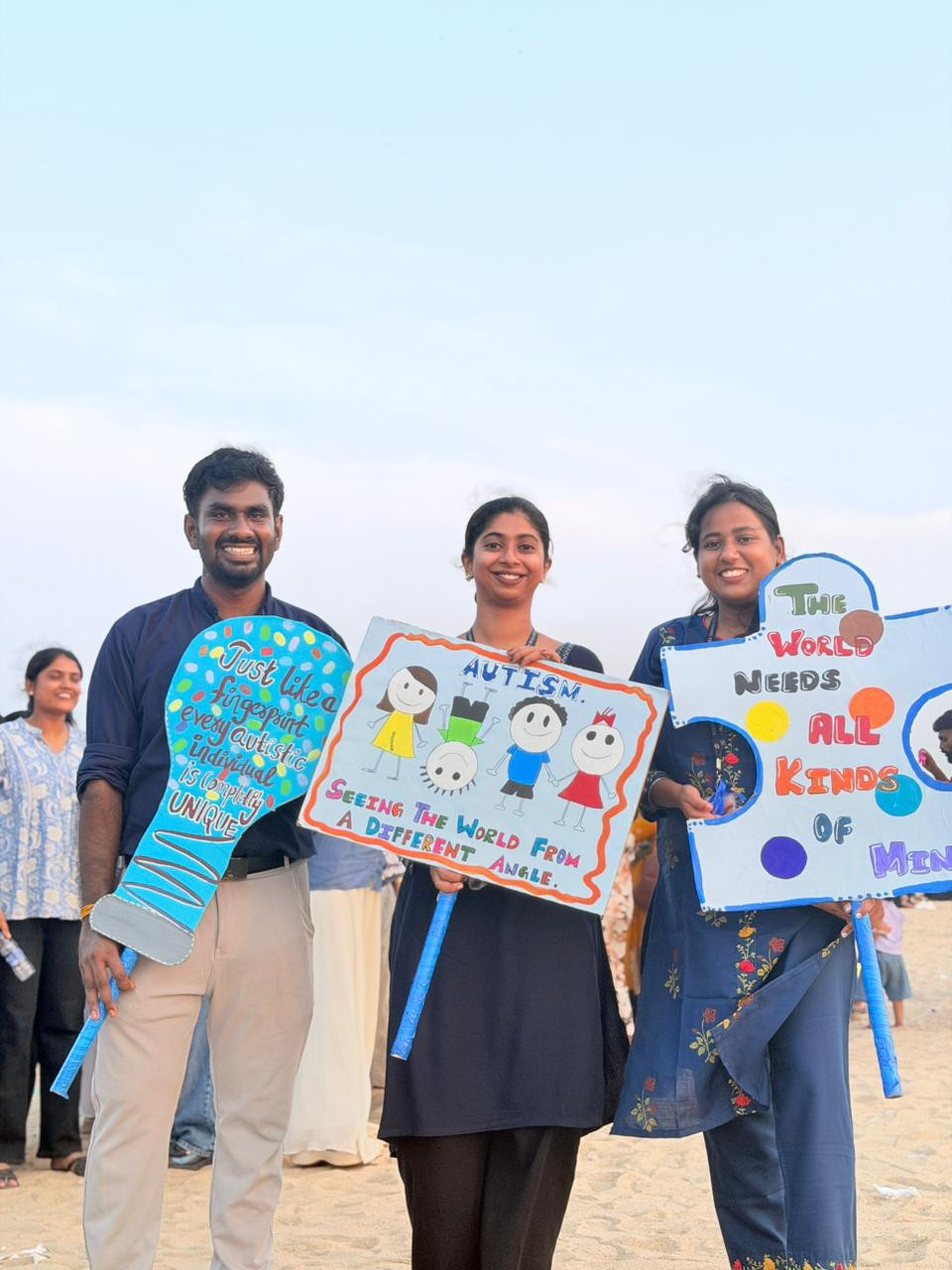
Mangaluru: The Department of Occupational Therapy at Yenepoya (Deemed to be University) conducted a community-based Autism Awareness Campaign at Fiza Mall and Ullal Beach in the city.
The campaign was aimed at promoting awareness, inclusion, and early identification of autism, in line with the global theme, “Autism and Humanity – Every Life Has Value.”
The programme was led by Dr. Dhayanithi K and Dr. Ananya Jana as organising chairpersons, with Dr. Anas, Dr. Amanda S. Phillip, and Dr. Ansu V. David served as organising members.
Students of the Bachelor of Occupational Therapy (BOT) programme participated in conducting the campaign.
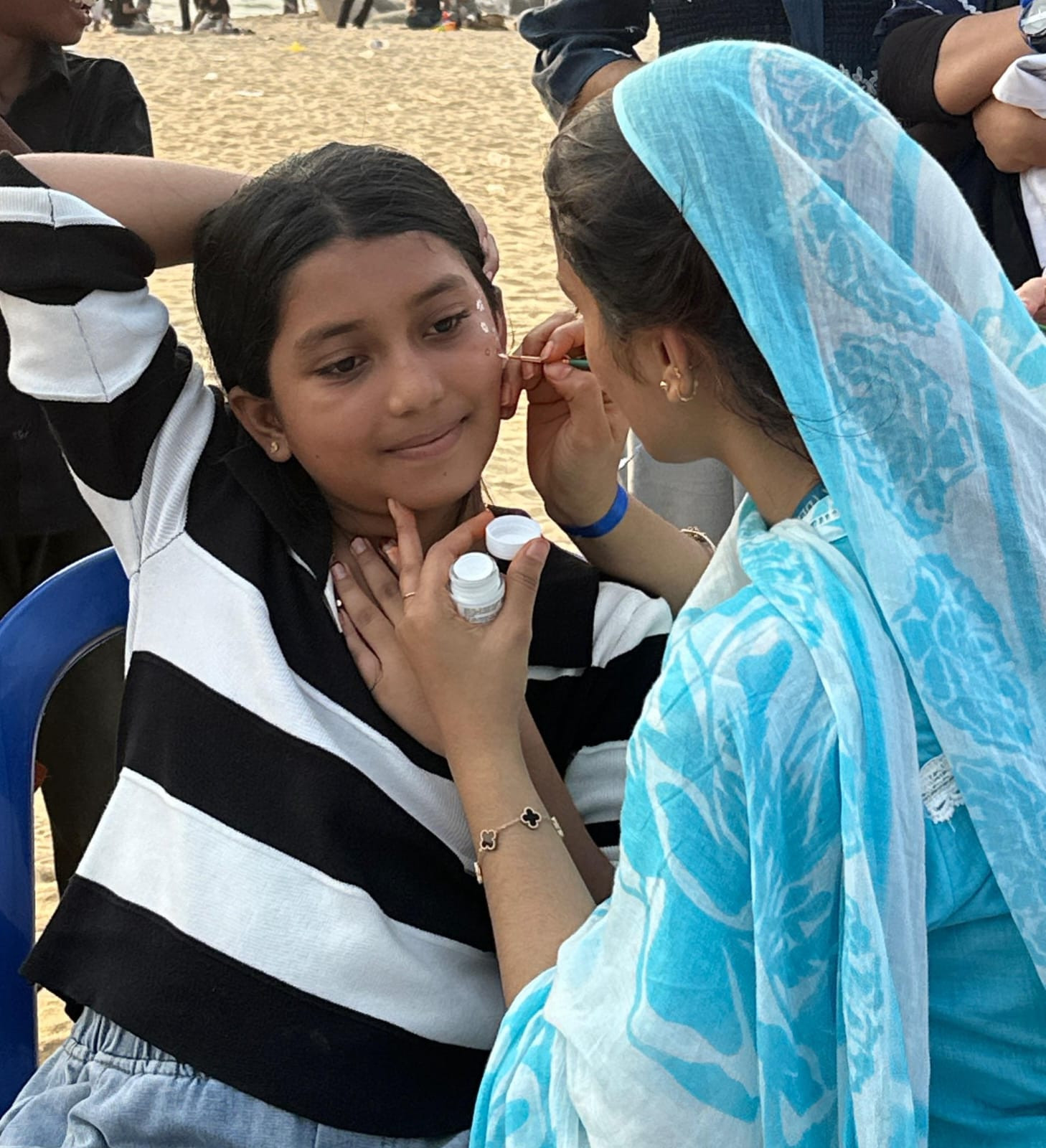
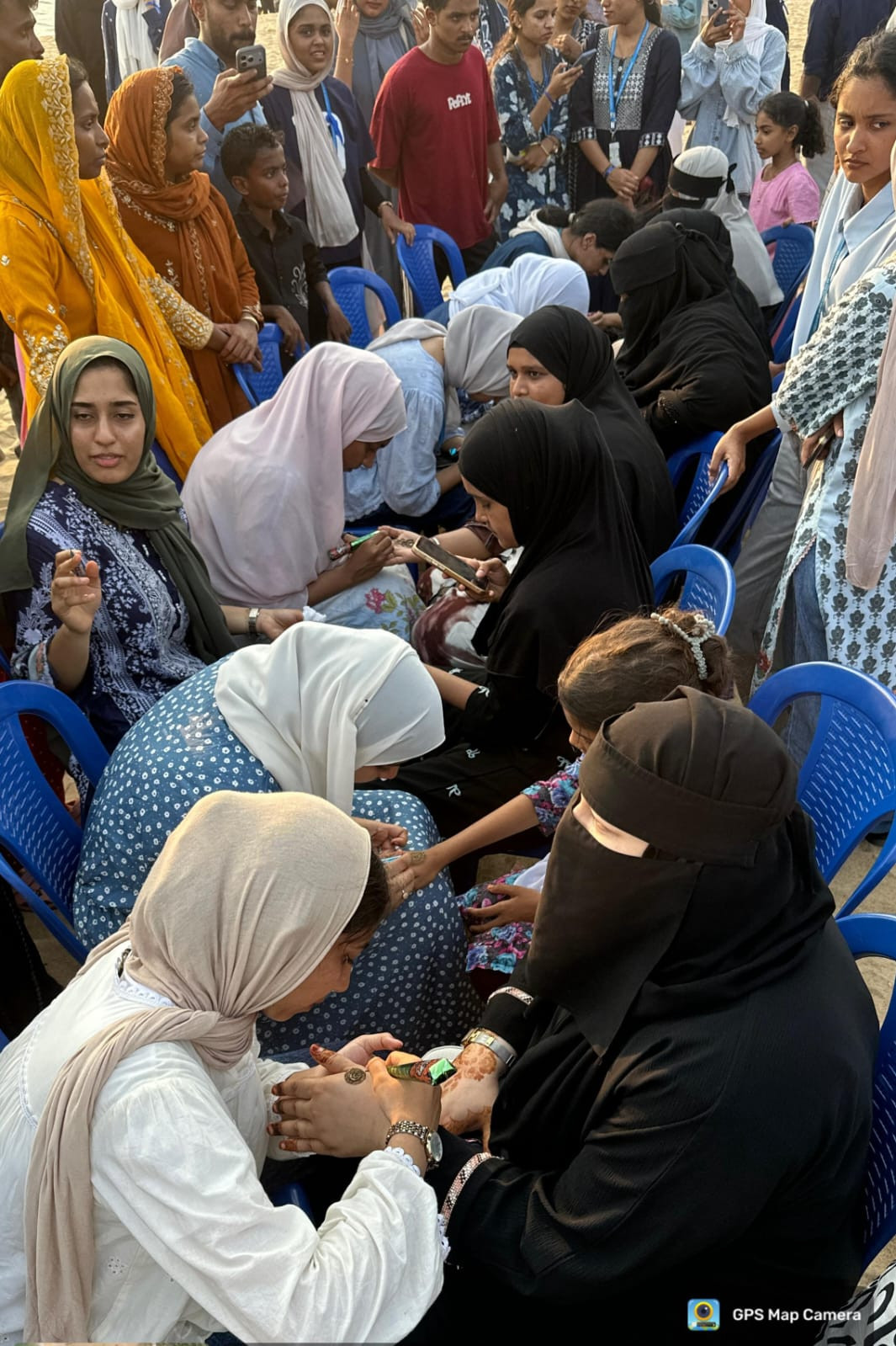
The event included activities such as flash mobs, street plays, face painting, mehendi, and direct interaction with the public.
These activities focused on highlighting early signs of autism, the need for early intervention, and the importance of inclusion and acceptance of individuals with autism.
The campaign reached around 300 to 500 members of the public. It also provided students with practical exposure to community-based rehabilitation and public health education.
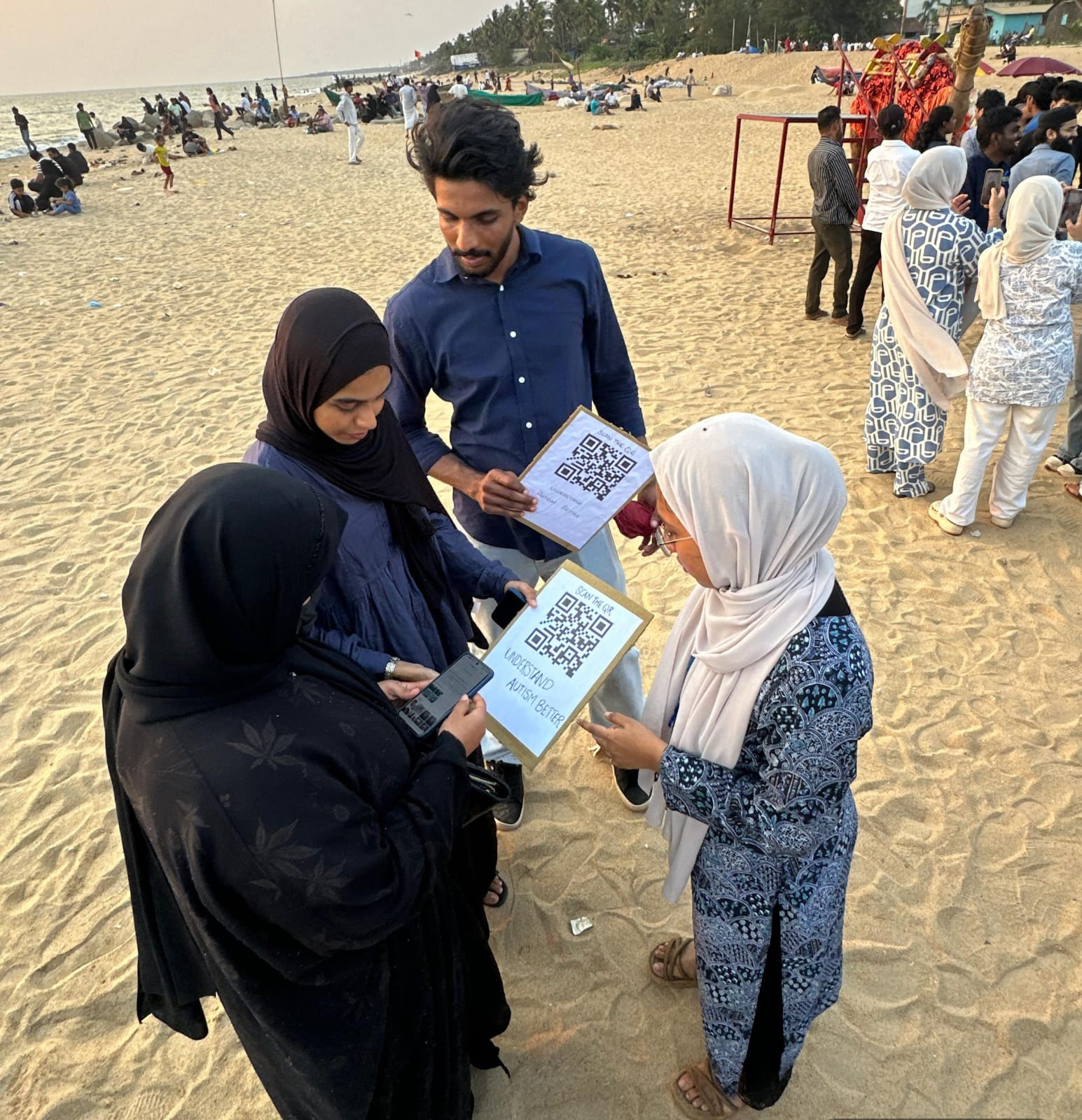
As part of the initiative, QR-based digital resources were introduced to help the public access reliable information on autism.
“Awareness is the first step towards inclusion, and early intervention can significantly improve outcomes,” the organising team said.
The department thanked the university for its support in organising the campaign. It also acknowledged the cooperation of the management of Fiza Mall and the Ullal Beach Police Department in facilitating the event.