CPIM-led LDF bags 16 of 30 seats in civic bypolls; BJP fails to win any seat
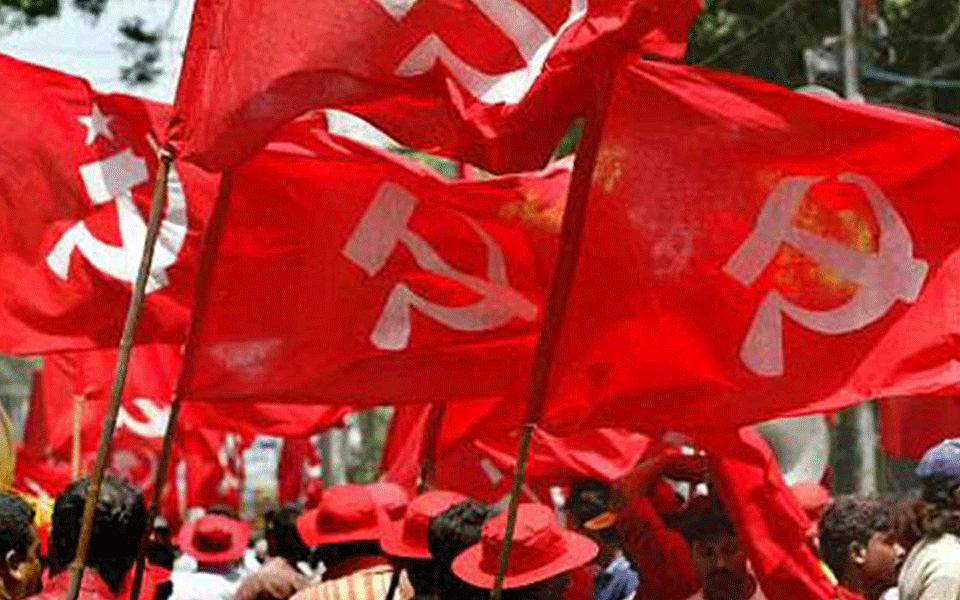
Thiruvananthapuram: Nothwithstanding the row over the Sabarimala women entry issue, the ruling CPI-M-led LDF in Kerala Friday bagged 16 out of the 30 seats in the bypolls conducted for various local bodies across the state.
The Congress-led United Democratic Front got 12 seats while the Revolutionary Marxist Party (RMP) and a Congress rebel retained the seats at Onchiyam in Kozhikode and Alappuzha district respectively.
The BJP, which spearheaded the Sabarimala protests and had high hopes, came a cropper, failing to win any seat.
In a setback to the ruling CPI(M), the RMP, to which slain leader T P Chandrasekharan belonged, retained the Onchiyam Panchayat seat. The CPI(M) had been saying the RMP had lost its relevance and was expecting to win this seat.
RMP's P Sreejith won the fifth ward of Onchiyam panchayat with a majority of 308 votes and retained power in the Panchayat. The bypoll was necessitated due to the death of RMP member A K Gopinath.
The election assumed importance as RMP was formed by Chandrasekharan, who was a former fellow-traveller of the CPI(M). Chandrasekharan was killed in May 2012, three years after he parted ways with the CPI(M) and founded the RMP.
In the bypolls, UDF lost five of its sitting seats in which four were won by the LDF and one by a Congress rebel.
However, UDF won the five seats which were the sitting seats of ruling LDF. In the November 2018 bypolls, the LDF had won 21 out of the 39 seats. The UDF had secured 12 seats while BJP two.
The Supreme Court had on September 28 last year allowed women of all age groups to enter the Sabarimala Lord Ayyappa temple, where earlier women in the menstruating age of 10-50 years were barred from offering prayers.
With the LDF government making it clear that it was constitutionally bound to implement the top court verdict, the BJP and right wing outfits and a section of devotees had launched massive and violent protests on the issue.
Let the Truth be known. If you read VB and like VB, please be a VB Supporter and Help us deliver the Truth to one and all.
UP Cong chief Ajay Rai hospitalised after fainting, stable
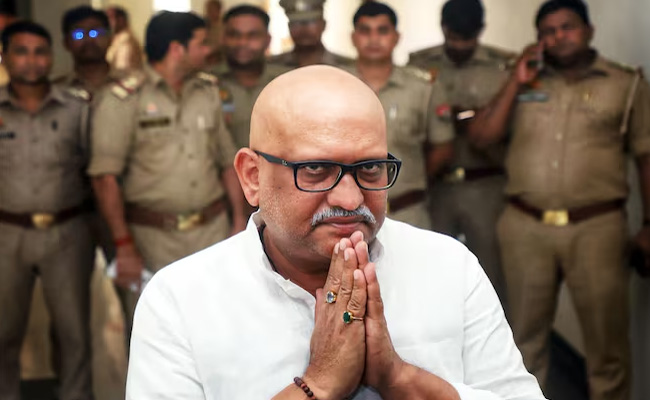
Lucknow (PTI): Uttar Pradesh Congress president Ajay Rai was hospitalised here after he fell unconscious due to low sodium levels, party leaders said on Saturday.
They said he was admitted to Medanta Hospital on Friday evening and is stable.
"Ajay Rai was admitted to Medanta Hospital in Lucknow at around 6 pm on Friday after he fell unconscious as his sodium levels had dropped. He fell unconscious at his residence in Lucknow. For the entire day, he was engaged in party programmes and had also gone to the airport," Uttar Pradesh Congress spokesperson Anshu Awasthi told PTI.
Congress in-charge of Uttar Pradesh Avinash Pande told PTI, "Now, he (Ajay Rai) is stable and I am also reaching Lucknow."
Medanta Hospital Director Dr Rakesh Kapoor told PTI that Rai collapsed at his home on Friday evening and was subsequently admitted to the hospital's emergency ward.
Medical examinations revealed that Rai was suffering from a sodium deficiency and elevated blood pressure. Doctors administered immediate treatment and he is doing significantly better now, Kapoor said.
A team of doctors is monitoring his health. Rai is conversing with others and his condition is stable, he added.
In a post on X late Friday night, Prime Minister Narendra Modi wished Rai a speedy recovery.
Rai hails from Varanasi and had contested the 2024 Lok Sabha elections against Modi from the parliamentary constituency. The Congress appointed him as the Uttar Pradesh unit chief in 2023.