Daily new COVID-19 cases, deaths showing declining trend but no room for laxity: Govt
New Delhi: The daily new cases of COVID-19 and deaths due to the disease have shown a declining trend since August 13, the Health Ministry said Tuesday but warned against any laxity, underlining that a five-day span was very short in the context of a pandemic.
Addressing a press briefing, Secretary in the Union Health Ministry Rajesh Bhushan said in spite of a sustained level of 7-8 lakh coronavirus tests a day, the positivity rate has come down from 10.03 per cent in the first week of July to 7.72 per cent over the last seven days.
Asked to comment over media reports about a deadlier strain of coronavirus found in Malaysia and whether there was an India link with this mutation, Member NITI Aayog, Dr V K Paul said, "We have also seen the reports. At this moment, we have nothing to convey but we have made a note of it."
Some media reports have claimed that a deadlier new mutation of the virus has been found in Malaysia in a cluster of 45 cases that started from someone who returned from India.
Bhushan, in his remarks, said, "The daily new cases from August 13 are down from over 64,000 to 55,079 now. There is a declining trend. But five days are a very short span in the context of a pandemic and there is no room for laxity on precautionary measures, containment, testing and surveillance".
He further said, "Absolute deaths (per day) have also declined from 1,007 on August 13 to 876 on August 17. These two parameters do give us some satisfaction but there is no reason for us to slacken our guard".
Paul said the progressive increase in recovery rate and decrease in mortality rate is "reassuring" and are "positive signals" indicating that the COVID-19 pandemic is under check.
"Also, the number of COVID-19 testing per day has gone up to 9 lakh per day which is remarkable. Testing is the key for disease containment and reducing mortality and improving outcome," he said.
Stating that it has come to notice that some people are becoming lax over maintaining social distancing norms, hand hygiene and wearing masks, Paul warned that it may result in losing the gains that have been made so far.
On the dip in daily new cases over the past five days, Paul said though the weekly update of COVID-19 situation looks reassuring, the challenge is not yet over.
"There is quite a big susceptible population in the country, so the virus still has the chance to harm us," he said.
On the vaccine front, Paul, who chairs the national expert group on vaccine administration for COVID-19, referred to the Prime Minister's Independence Day speech that three vaccines are being developed in India and are in different stages of human trials.
"One of them will enter phase 3 trial today or tomorrow. The other two are in phase 1 and 2 trials. We have reviewed the vaccine candidates and there is a good progress happening," he said.
An outline for the supply chain of the vaccine and how it would be made available is ready, Paul said.
As and when required, detailed and micro-level planning for vaccine administration based on a scientific approach according to the characteristics of the vaccine will be adopted, he said.
Giving information about Monday's meeting of the committee, Paul said they held discussions with vaccine manufacturers to know about the facilitations they are expecting from the government.
In reply to a media query, he also said, We requested the vaccine manufacturers to indicate what possible prices could be. Pricing is very complex as some of these vaccines are at an early stage. We have some insights into what the price range could be, but this is an information that will be refined as we move along".
Individual vaccine manufacturers have been requested to provide more clear-cut data on their individual production capacities, how their capacities would pan out with time and encouraging them very actively to ramp up capacity with facilitations, he said.
"India has huge potential and capacity in vaccine manufacturing," Paul asserted.
He said the development of a vaccine is a scientific process and underlined that it cannot be guaranteed that any vaccine candidate entering trials will emerge successful.
On possible health complications in patients who have recovered, Paul said post-COVID sub-acute morbidities like respiratory symptoms, immunological reactions among children, fibrosis in lungs etc., are a new dimension that is coming to fore and the scientific and medical communities are monitoring it.
"We will have to be aware that there may be some impact later too. We will use the treatment modalities available with us as and when required to deal with these cases. It is happening to an extent, but not at a dangerously alarming level," Paul said.
On why on-demand testing is not being implemented for those willing to pay for it, Paul said the government would review the guidelines for testing.
Asked if government is reviewing the use of tocilizumab as investigational therapy in the treatment of COVID-19 patients, Paul said for all the drugs and interventions that are part of the national clinical treatment protocol for COVID-19, the decision to include them was based on the scientific evidence available on that day.
Some treatments were not included because on that day the evidence was not in favour, he said, adding that it was a dynamic process.
Bhushan also informed that the export of personal protection equipment overalls is subject to quantitative restrictions, whereas the export of ventilators is not being subjected to any such restrictions.
Let the Truth be known. If you read VB and like VB, please be a VB Supporter and Help us deliver the Truth to one and all.
Yenepoya University conducts autism awareness campaign in Mangaluru
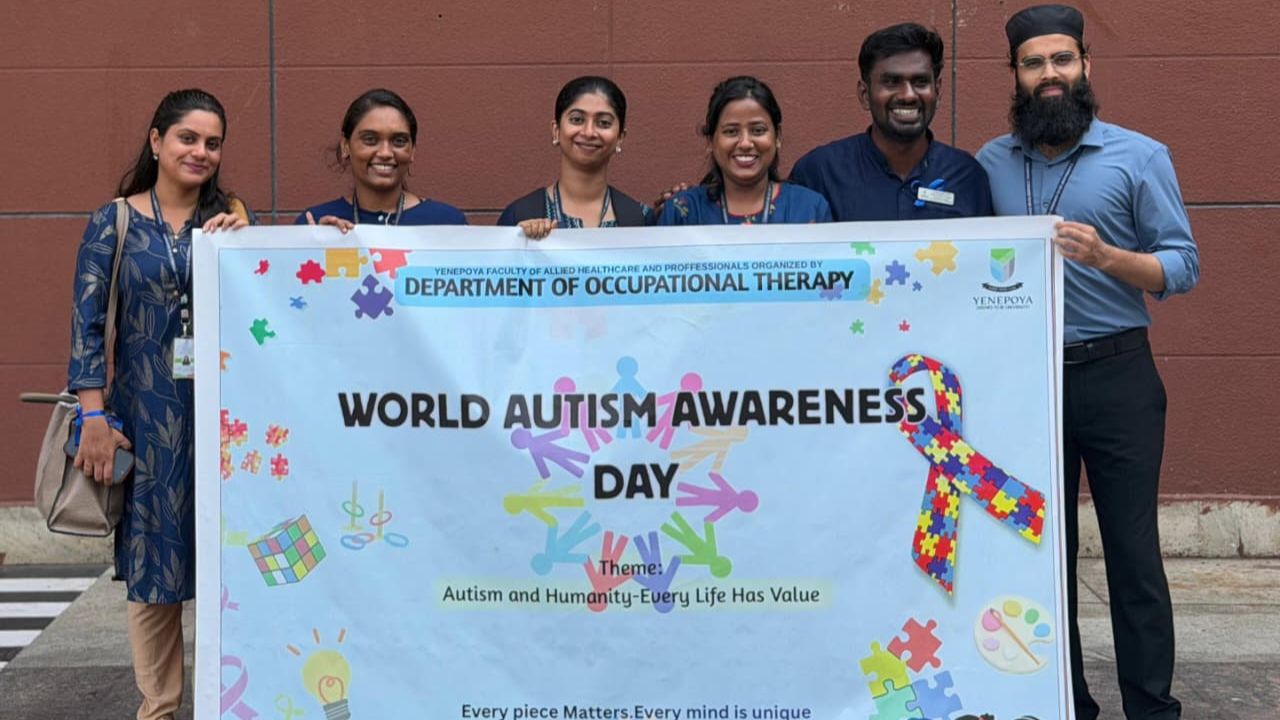
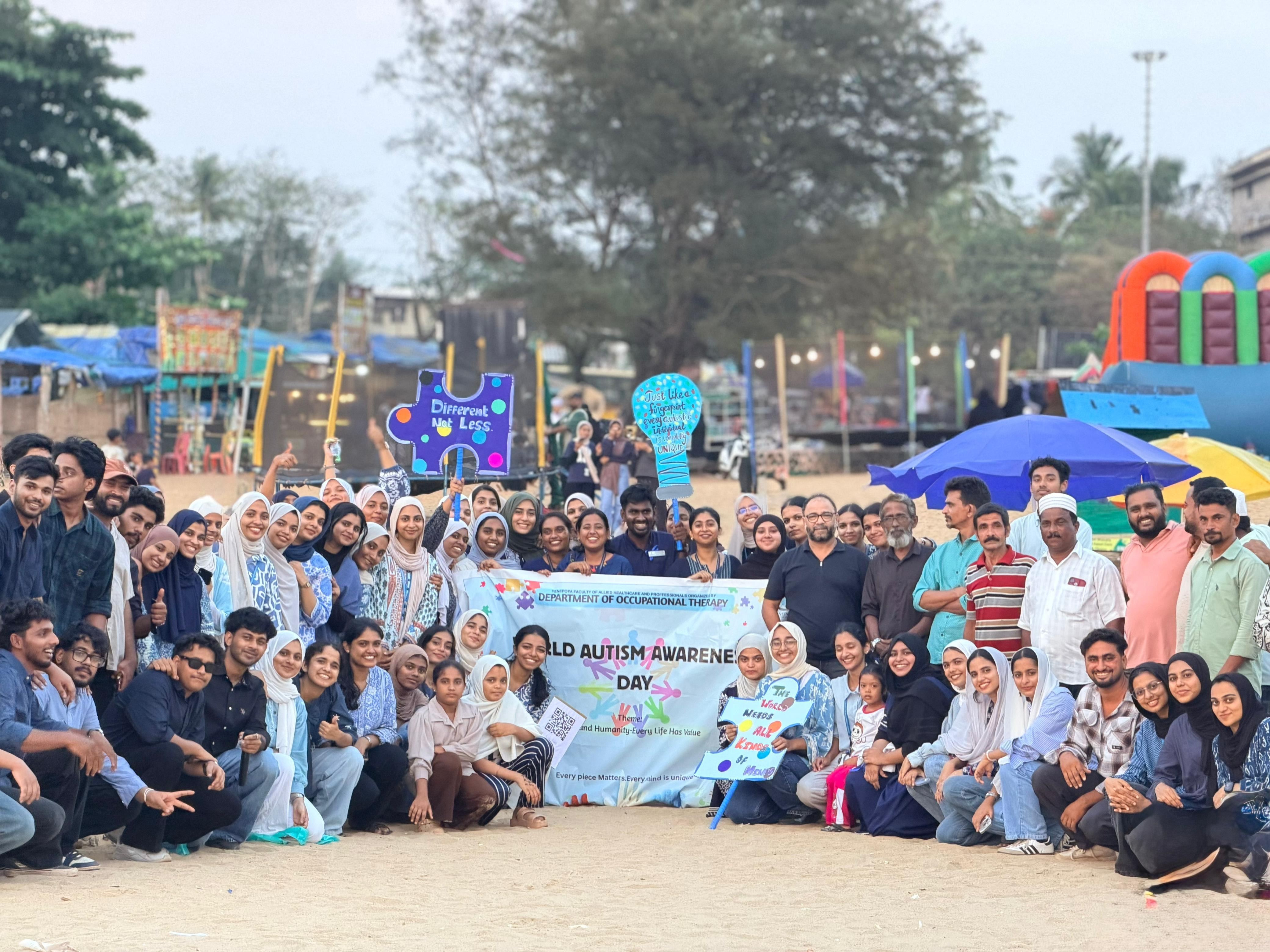
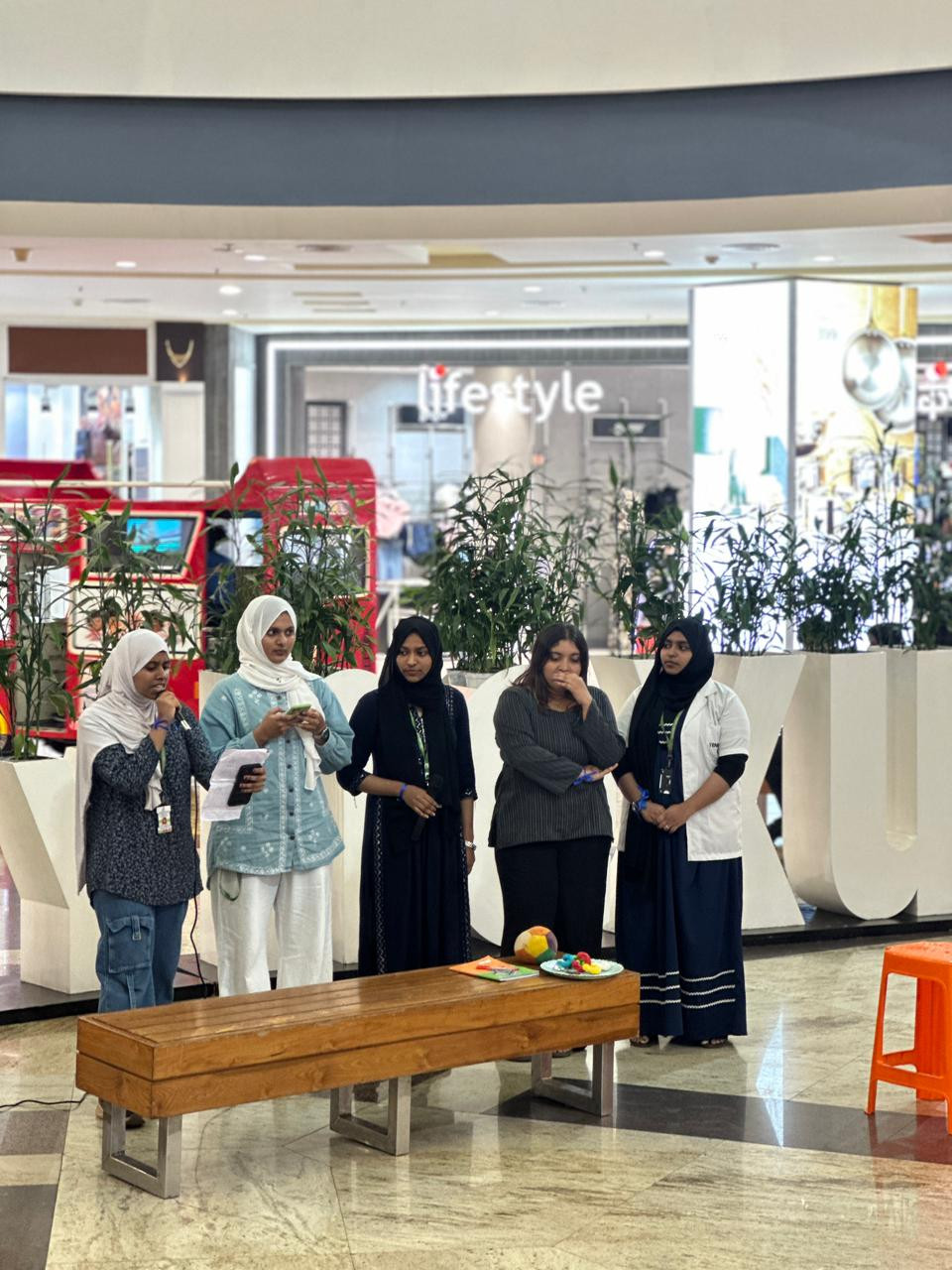
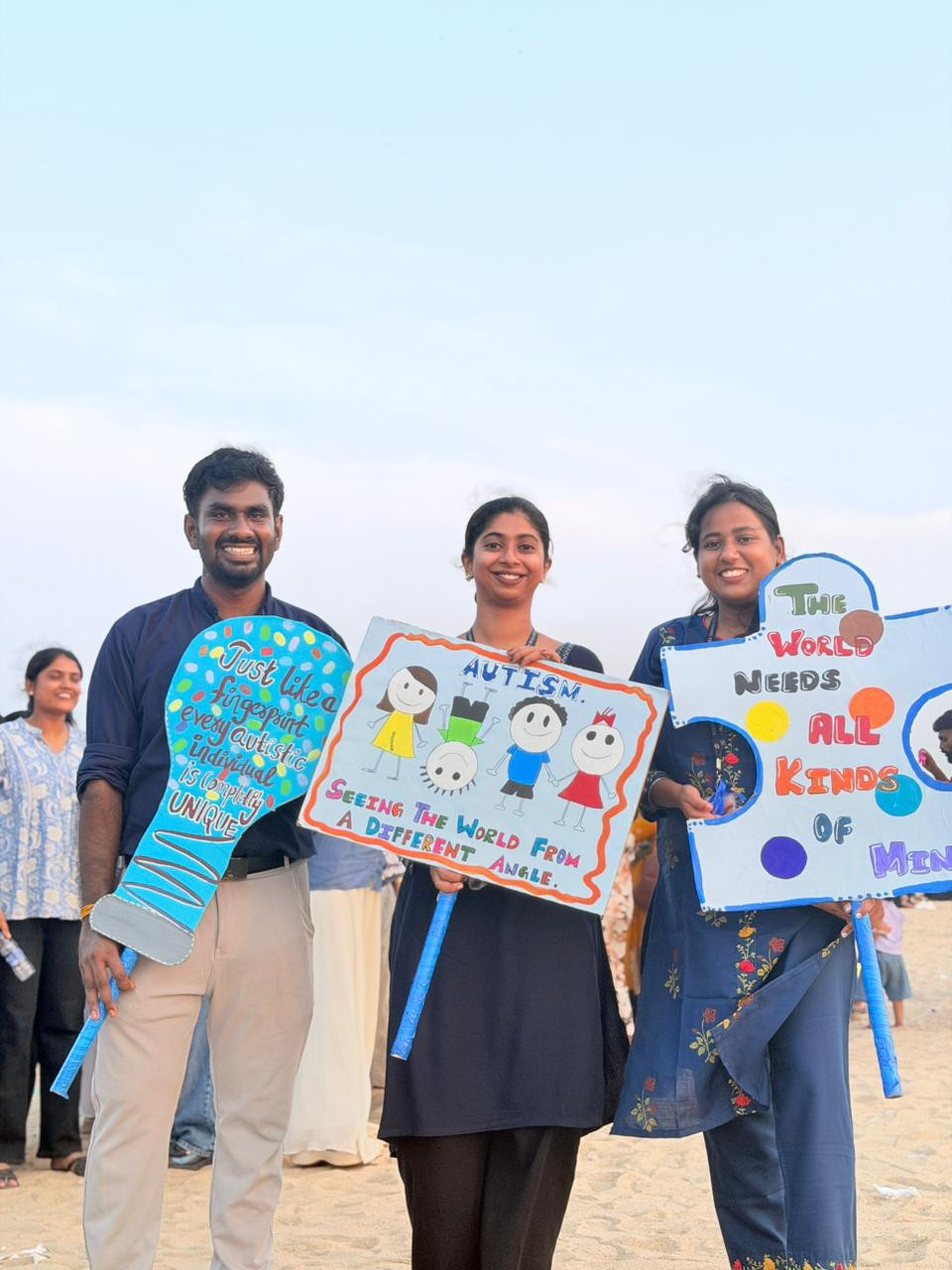
Mangaluru: The Department of Occupational Therapy at Yenepoya (Deemed to be University) conducted a community-based Autism Awareness Campaign at Fiza Mall and Ullal Beach in the city.
The campaign was aimed at promoting awareness, inclusion, and early identification of autism, in line with the global theme, “Autism and Humanity – Every Life Has Value.”
The programme was led by Dr. Dhayanithi K and Dr. Ananya Jana as organising chairpersons, with Dr. Anas, Dr. Amanda S. Phillip, and Dr. Ansu V. David served as organising members.
Students of the Bachelor of Occupational Therapy (BOT) programme participated in conducting the campaign.
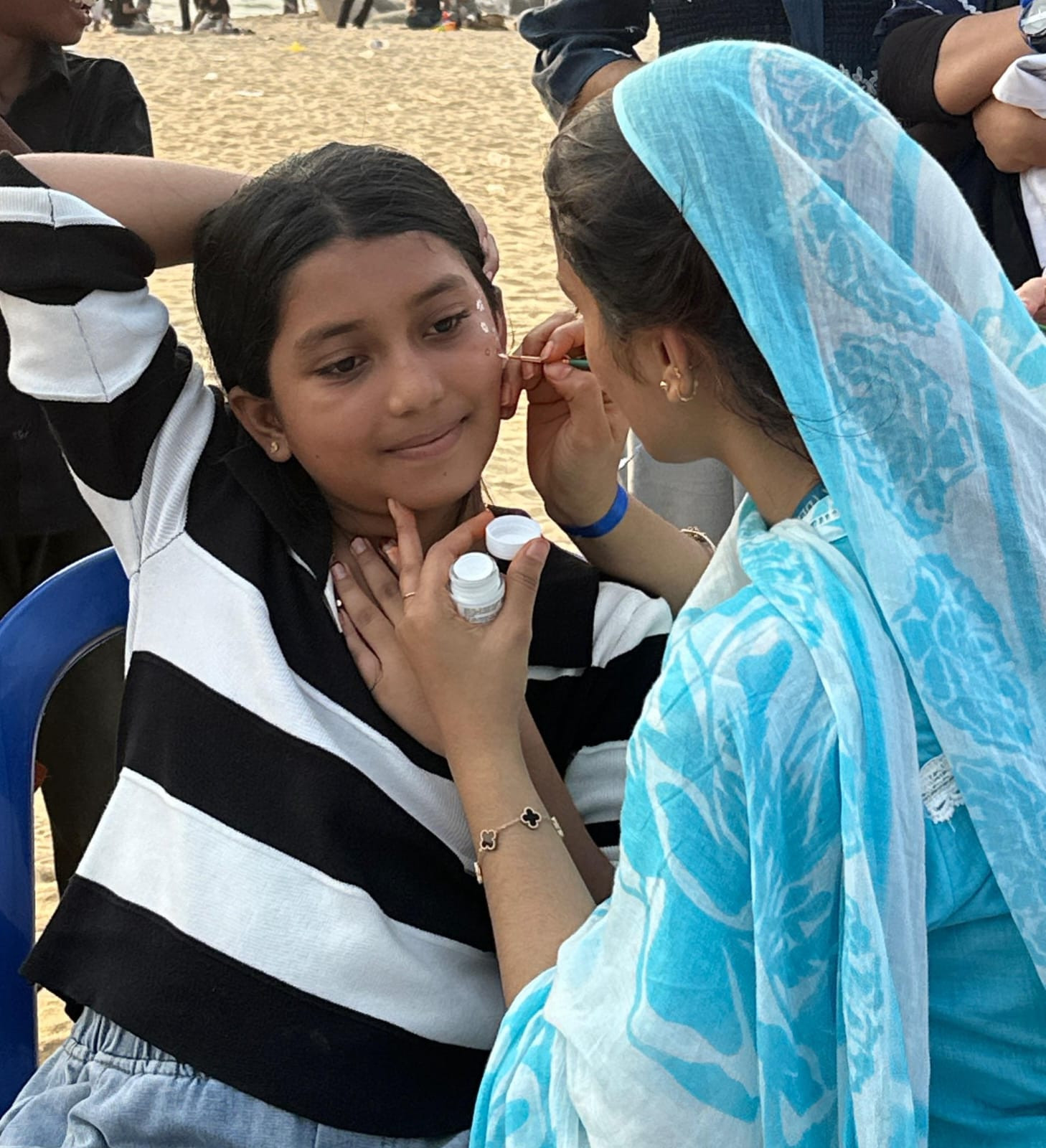
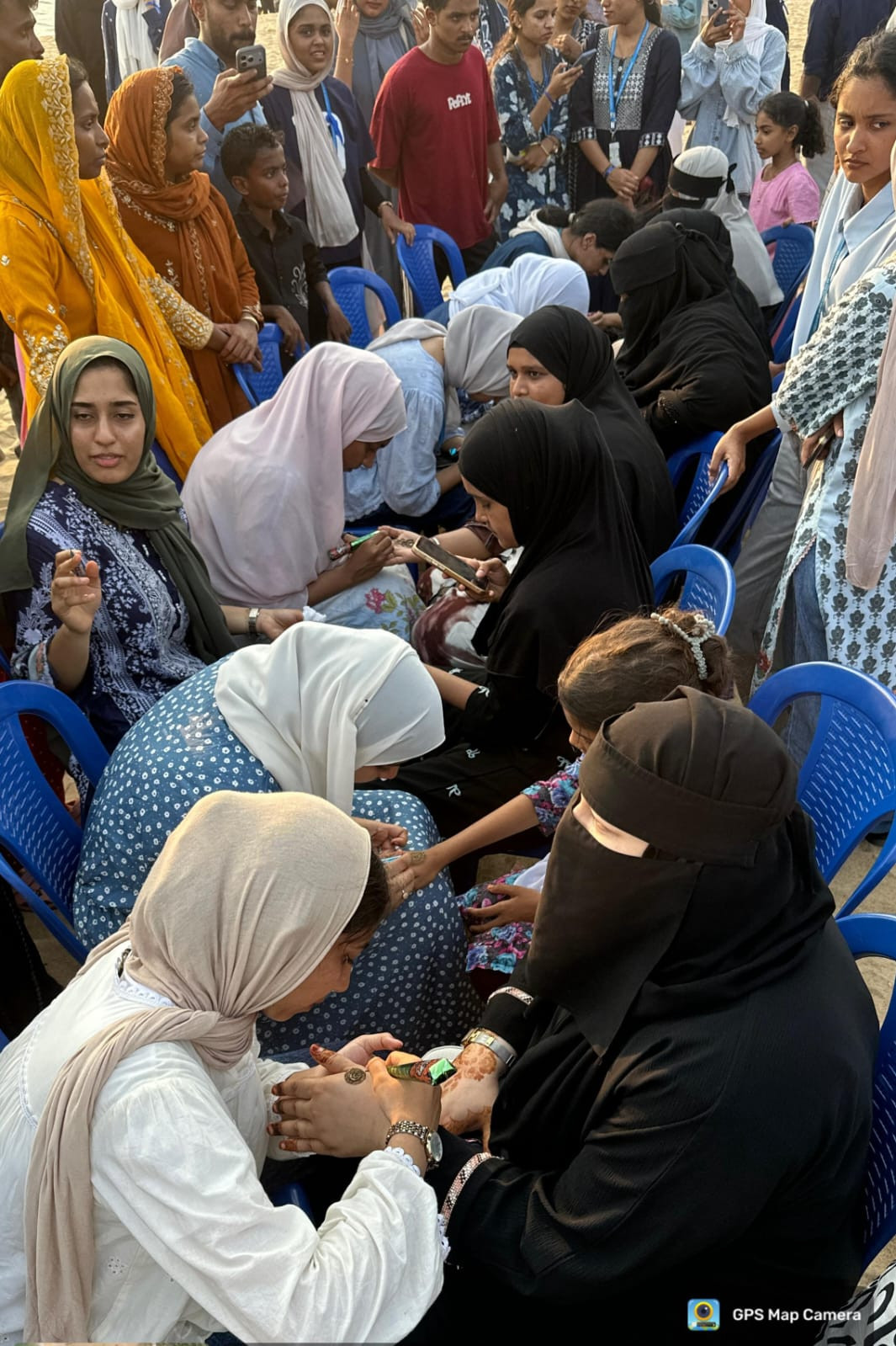
The event included activities such as flash mobs, street plays, face painting, mehendi, and direct interaction with the public.
These activities focused on highlighting early signs of autism, the need for early intervention, and the importance of inclusion and acceptance of individuals with autism.
The campaign reached around 300 to 500 members of the public. It also provided students with practical exposure to community-based rehabilitation and public health education.
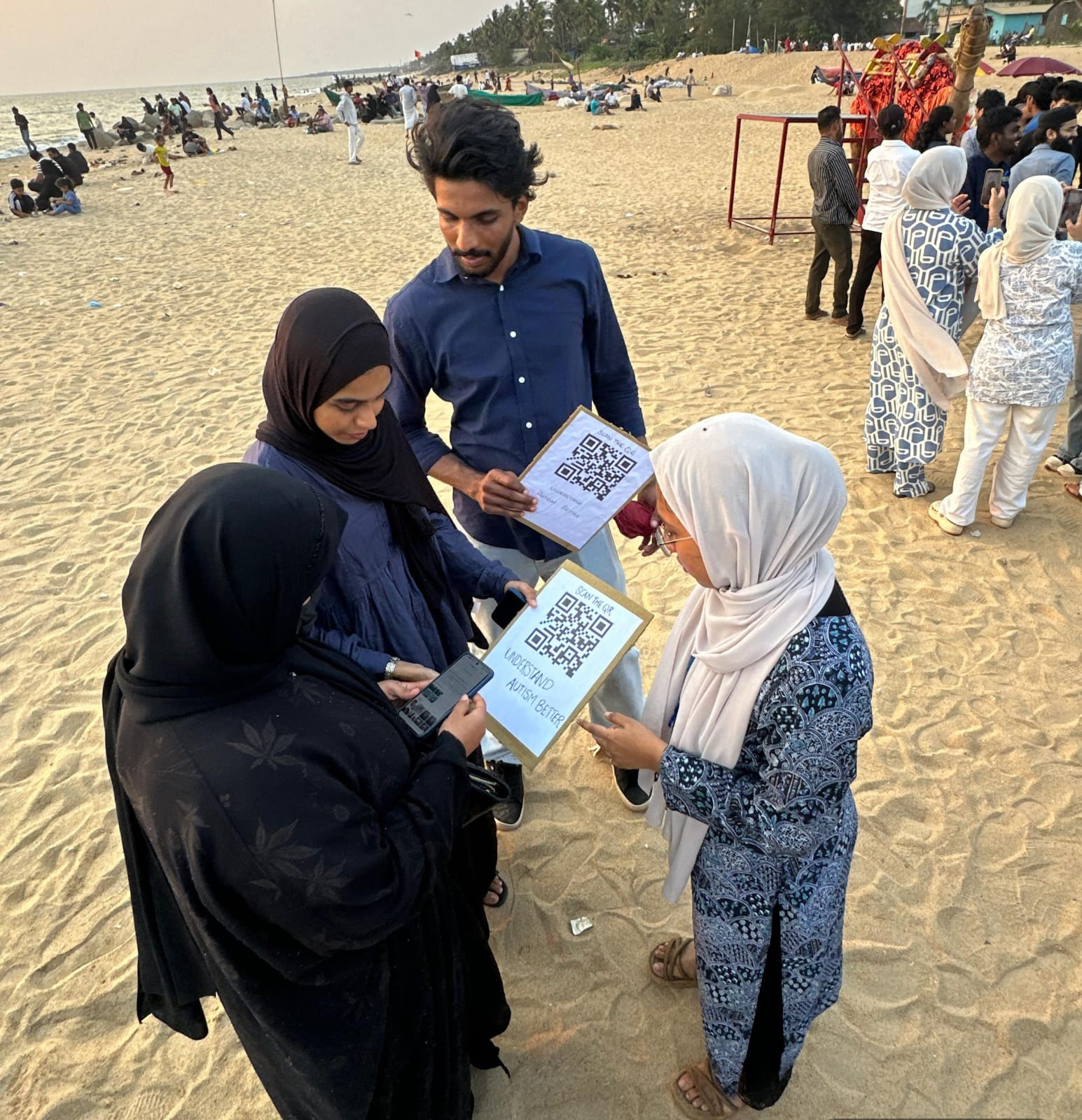
As part of the initiative, QR-based digital resources were introduced to help the public access reliable information on autism.
“Awareness is the first step towards inclusion, and early intervention can significantly improve outcomes,” the organising team said.
The department thanked the university for its support in organising the campaign. It also acknowledged the cooperation of the management of Fiza Mall and the Ullal Beach Police Department in facilitating the event.