Delhi airport sees cancellation of 66 flights due to fog and low visibility

Mumbai (PTI): As many as 66 flights were cancelled at the Delhi airport on Friday due to fog and low visibility conditions.
Several airlines cancelled 66 flights to and from Delhi due to fog and reduced visibility conditions, a source said. Of them, 32 were arrival flights, and the remaining 34 were departure flights, the source said.
ALSO READ: Congress and NCP (SP) to contest separately in Nagpur civic polls
Aviation regulator DGCA has announced the period from December 10 to February 10 as the official fog window during this winter.
As part of DGCA's flight operation norms during fog, airlines have to mandatorily roster pilots who are trained to operate in low-visibility conditions, as well as deploy a CAT-IIIB-compliant aircraft fleet for such operations.
Category-III is an advanced navigation system that empowers an aircraft to land under foggy conditions.
Category-III-A is a precision instrument approach and landing that enables a plane to land with a runway visual range (RVR) of 200 metres, while Category-III-B helps in landing with an RVR of under 50 metres.
Let the Truth be known. If you read VB and like VB, please be a VB Supporter and Help us deliver the Truth to one and all.
Centre launches national childhood diabetes screening, treatment framework
New Delhi (PTI): The Union Health Ministry on Sunday released a guidance document providing a framework for screening, diagnosis, treatment and long-term management of childhood diabetes.
According to the ministry, the document, for the first time, establishes a structured and standardised national framework, positioning India among a select group of countries that have integrated childhood diabetes care into the public health system.
The "Guidance Document on Diabetes Mellitus in Children" was released at the National Summit on Best Practices in Public Healthcare Service Delivery, concluded on May 1-2.
According to a statement by the ministry, the framework aims to ensure universal screening of all children from birth to 18 years through community and school-based platforms for early identification of diabetes.
Suspected cases will undergo immediate blood glucose testing and be referred to district-level health facilities for confirmatory diagnosis and treatment, it said.
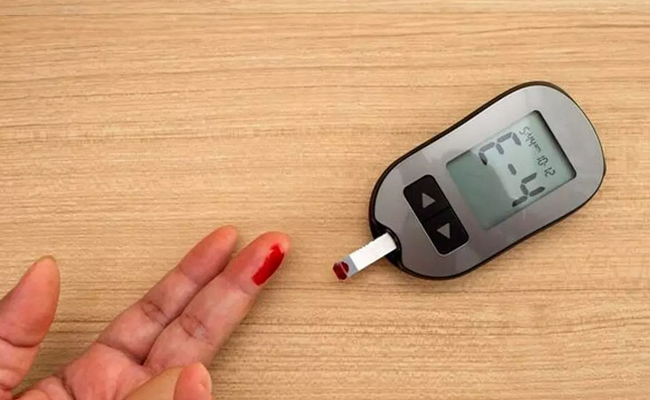
A key feature of the initiative is the provision of a comprehensive free-of-cost care package at public health facilities, including screening, diagnostic services, lifelong insulin therapy, glucometers, test strips and regular follow-up care.
The initiative seeks to reduce the financial burden on families and ensure uninterrupted treatment for children diagnosed with diabetes.
The document also lays down an integrated continuum of care linking community-level screening with district hospital-based management and advanced care at medical colleges to ensure seamless follow-up and treatment.
To strengthen early detection, the guidance promotes the "4Ts" awareness framework -- Toilet, Thirsty, Tired and Thinner -- to help parents, teachers and caregivers recognise early warning signs of type 1 Diabetes.
Besides clinical protocols, the document focuses on family and caregiver empowerment through structured training on insulin administration, blood glucose monitoring, emergency response and daily disease management.
The statement stated the initiative is expected to reduce mortality through early detection, prevent complications and improve the quality of life of affected children while strengthening the public health system's capacity to manage non-communicable diseases among children.