Delhi Assembly receives bomb threat ahead of budget presentation by CM Rekha Gupta
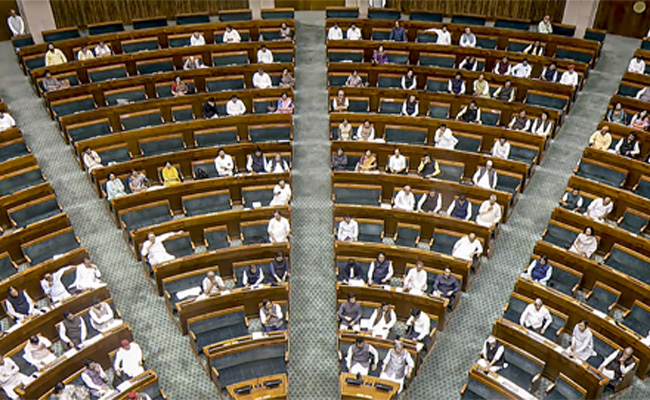
New Delhi (PTI): Hours before Chief Minister Rekha Gupta's scheduled budget presentation, the Delhi Legislative Assembly received a bomb threat on Tuesday morning, police said.
Police said nothing suspicious has been found so far after the assembly premises were checked, while adding that searches are still underway.
The threat was received via an email to the assembly at 7:28 am, followed by another email sent to Speaker Vijender Gupta at 7:49 am.
Soon after the bomb threat, security forces rushed to the spot and began carrying out checks and launched an investigation.
ALSO READ: ‘Rebuff to self-styled Vishwaguru’: Cong on reports of Pak mediation in West Asia
"We have heightened security arrangements in and around the premises," an officer said.
Checks were conducted by different agencies, including the bomb disposal teams, at the Vidhan Sabha, Deputy Commissioner of Police (North) Raja Banthia said in a statement.
"Nothing suspicious found so far. Necessary police arrangements are in place," he said.
The email reportedly referred to several high-profile dignitaries, including Lieutenant Governor Taranjit Singh Sandhu, CM Gupta and Cabinet minister Manjinder Singh Sirsa.
Police and security agencies have launched a probe to trace the origin of the email, while thorough anti-sabotage checks are underway, officials said.
Let the Truth be known. If you read VB and like VB, please be a VB Supporter and Help us deliver the Truth to one and all.
Lebanon appoints new representative for talks with Israel, rejects linkage to Iran
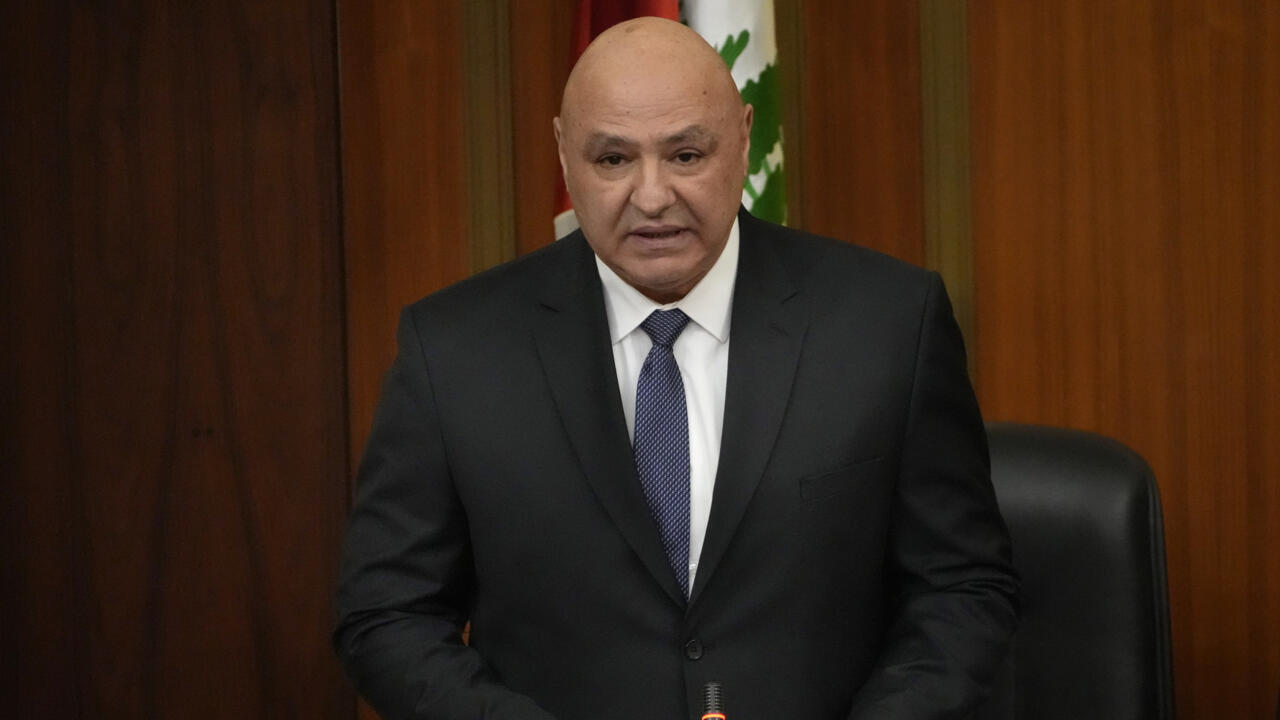
Beirut: Lebanon’s has moved to underline its independent position in ongoing regional developments, amid attempts to link the country to the broader conflict involving Iran, the United States and Israel.
President Joseph Aoun, while announcing the appointment of former US ambassador Simon Karam as Lebanon’s representative in talks with Israel, made it clear that Karam would be the sole representative for Lebanon and that there would be no substitute.
The move comes in response to what the Lebanese officials see as efforts by Iran to tie Lebanon’s situation to the wider regional conflict. Iran had indicated that there would be no ceasefire involving the US, Israel and Iran unless it also included a ceasefire in Lebanon.
Some groups, including Hezbollah and its supporters, had expressed support for linking the situations, citing concerns that the Lebanese government has limited leverage in negotiations with Israel. Lebanon is not formally a party to the conflict, and its army is considered weak.
However, others, including Prime Minister Nawaf Salam, have opposed this approach. They view Iran’s stance as an attempt to influence Lebanon’s internal affairs and see it as undermining the country’s sovereignty.
Officials backing the government’s position say the move is aimed at reaffirming Lebanon’s sovereignty and ensuring that decisions about peace and ceasefire within the country are not dictated externally.
They also see it as a safeguard, so that any breakdown in talks between the US, Israel and Iran does not automatically lead to renewed conflict in Lebanon.