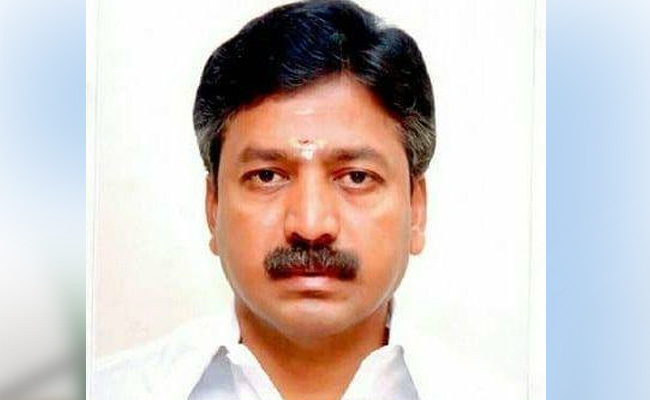
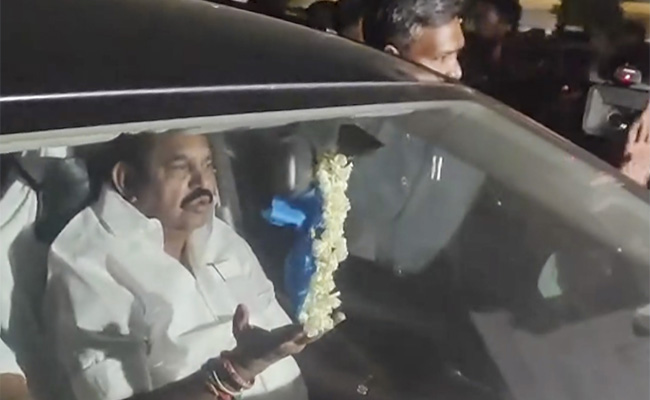
Delhi-based businessman behind Alt News co-founder Mohammed Zubair's arrest: Police

New Delhi, Aug 31: The Twitter user behind the arrest of fact checker and Alt News co-founder Mohammed Zubair is a 36-year-old Delhi-based real estate businessman who originally belongs to Ajmer in Rajasthan, police said on Wednesday.
Police officials, who have been working to establish the identity of the Twitter handle @balajikijaiin operating under the name Hanuman Bhakt, did not disclose the businessman's name.
They said there is no evidence of his affiliation with a political party.
"The investigation has revealed that the anonymous Twitter handle was operated by a 36-year-old real estate businessman who originally hails from Ajmer in Rajasthan and presently lives in Dwarka," a police official privy to the probe said. Police tracked him following a response from Twitter using an IP address and he was sent a formal notice to join the probe, the official added. The businessman said in his statement to the police that his religious sentiments were hurt.
The official did not share details of when the notice was sent and the statement recorded.
Zubair was arrested on June 27 for allegedly hurting religious sentiments through a tweet against a Hindu deity in 2018. He was in custody for 24 days on allegations of hate speech and is now out on bail.
According to police officials, the businessman took note of the 2018 post and tweeted, tagging Delhi Police and urging it to take action because his "religious sentiments" were hurt.
A complaint was subsequently filed, leading to the arrest.
Two days after Zubair's arrest, the businessman deleted his Twitter account only to reactivate it the next day with the same name and handle.
The account now stands suspended.
The businessman had moved from Ajmer to Delhi some years ago with his family, police said.
Multiple FIRs were lodged against Zubair in Uttar Pradesh -- two in Hathras and one each in Sitapur, Lakhimpur Kheri, Muzaffarnagar, Ghaziabad and Chandauli -- for allegedly hurting religious sentiments.
He was released on bail after the Supreme Court granted him interim bail, saying the "exercise of the power of arrest must be pursued sparingly".
Cases under multiple sections of the Indian Penal Code have been registered against him, including criminal conspiracy (Sections 120B), promoting enmity between different groups on grounds of religion, race, place of birth, language, etc (Section 153A) and deliberate and malicious act intended to outrage religious feelings (Section 295A).
Let the Truth be known. If you read VB and like VB, please be a VB Supporter and Help us deliver the Truth to one and all.
Trump says EU has until July 4 to approve last year's trade deal or it will face higher tariffs
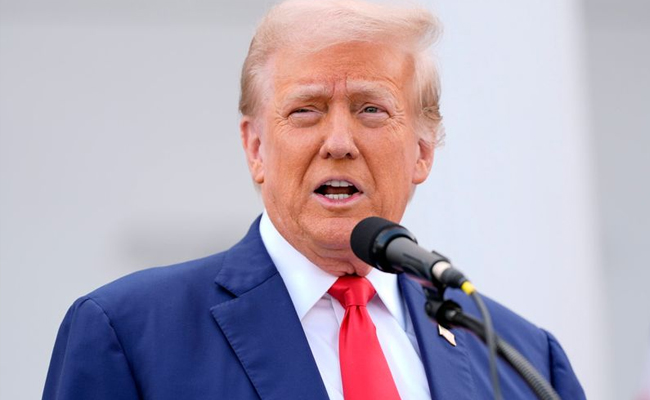
Washington (AP): President Donald Trump has said in a social media post that goods from the European Union would face higher tariff rates if the 27-member bloc fails to approve last year's trade framework by July 4.
The announcement on Thursday appeared to be a deadline extension after the president said last Friday that EU autos would face a higher 25 per cent tariff starting this week. Trump made the updated announcement after what he described as a "great call" with European Commission President Ursula von der Leyen.
Still, the US president was displeased that the European Parliament had yet to finalize the trade arrangement reached last year, which was further complicated in February by the US Supreme Court ruling that Trump lacked the legal authority to declare an economic emergency to impose the initial tariffs used to pressure the EU into talks.
"A promise was made that the EU would deliver their side of the Deal and, as per Agreement, cut their Tariffs to ZERO!" Trump posted. "I agreed to give her until our Country's 250th Birthday or, unfortunately, their Tariffs would immediately jump to much higher levels."
It was unclear from the post whether Trump was implying that the tariff rates would jump on all EU goods or the increase would only apply to autos.
His latest statement indicates he might be backing away from his earlier threat on EU autos by giving the European Parliament several more weeks to approve the agreement.
Under the original terms of the framework, the US would charge a 15 per cent tax on most goods imported from the EU.
But since the Supreme Court ruling, the administration has levied a 10 per cent tariff while investigating trade imbalances and national security issues, aiming to put in new tariffs to make up for lost revenues.