Delhi blast could be result of panic rather than pre-planned act: Security sources
_vb_58.jpeg)
New Delhi (PTI): The blast near the Red Fort that killed at least 12 people on Monday may have been caused due to panic and desperation after raids carried out by the security agencies across multiple locations in Delhi-NCR and Pulwama, J-K, to nab suspects believed to be part of a terror module, preliminary assessment by security agencies said.
Senior security sources also said the bomb was premature and not fully developed, thus limiting the impact.
The explosion did not create a crater, and no shrapnel or projectiles were found on the spot, averting a major attack due to "pan-India alertness and coordinated crackdown" on suspect modules, the security assessment said.
Whether it was pre-planned or accidental will be ascertained during the course of detailed probe, the sources said.
Raids by security agencies across multiple locations in Delhi-NCR and Pulwama led to the recovery of significant quantities of explosives, which are believed to have led the suspect to act hastily under mounting pressure, the sources said.
Eight people, including three doctors, were arrested and 2,900 kg of bomb-making material was seized following the busting of the white collar terror module on November 9 and 10.
The suspects did not follow the usual pattern of a suicide car bombing -- neither rammed the car into a target nor collided intentionally, the sources said.
The investigators suspect that the explosion could be accidental rather than a suicide attack.
The terror module appeared to have assembled the improvised explosive device (IED) improperly, leading to the blast in a moving car, the sources said.
The blast took place in a slow-moving car at a traffic signal near Gate No. 1 of the Red Fort Metro station on Monday evening, killing at least 12 people and gutting several vehicles, officials said.
Let the Truth be known. If you read VB and like VB, please be a VB Supporter and Help us deliver the Truth to one and all.
Lebanon appoints new representative for talks with Israel, rejects linkage to Iran
Beirut: Lebanon’s has moved to underline its independent position in ongoing regional developments, amid attempts to link the country to the broader conflict involving Iran, the United States and Israel.
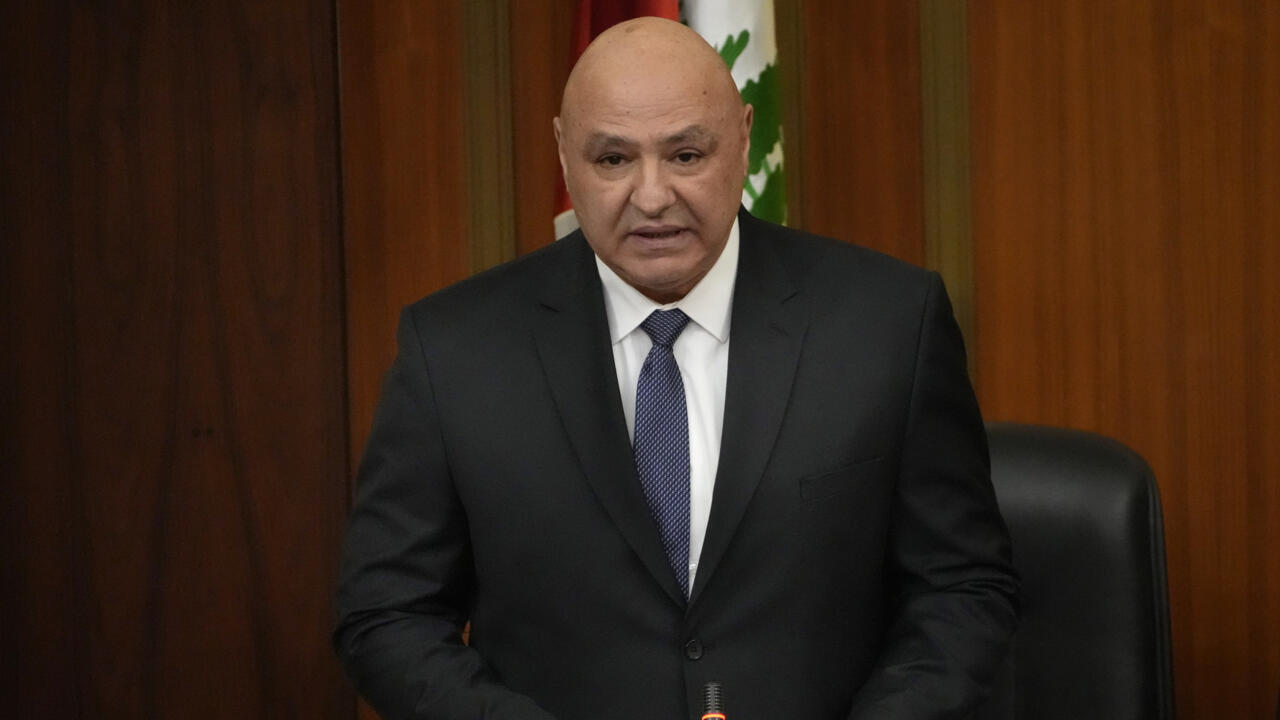
President Joseph Aoun, while announcing the appointment of former US ambassador Simon Karam as Lebanon’s representative in talks with Israel, made it clear that Karam would be the sole representative for Lebanon and that there would be no substitute.
The move comes in response to what the Lebanese officials see as efforts by Iran to tie Lebanon’s situation to the wider regional conflict. Iran had indicated that there would be no ceasefire involving the US, Israel and Iran unless it also included a ceasefire in Lebanon.
Some groups, including Hezbollah and its supporters, had expressed support for linking the situations, citing concerns that the Lebanese government has limited leverage in negotiations with Israel. Lebanon is not formally a party to the conflict, and its army is considered weak.
However, others, including Prime Minister Nawaf Salam, have opposed this approach. They view Iran’s stance as an attempt to influence Lebanon’s internal affairs and see it as undermining the country’s sovereignty.
Officials backing the government’s position say the move is aimed at reaffirming Lebanon’s sovereignty and ensuring that decisions about peace and ceasefire within the country are not dictated externally.
They also see it as a safeguard, so that any breakdown in talks between the US, Israel and Iran does not automatically lead to renewed conflict in Lebanon.