Delhi Court discharges Umar Khalid, Khalid Saifi in Delhi Riot's Khajuri Khas case
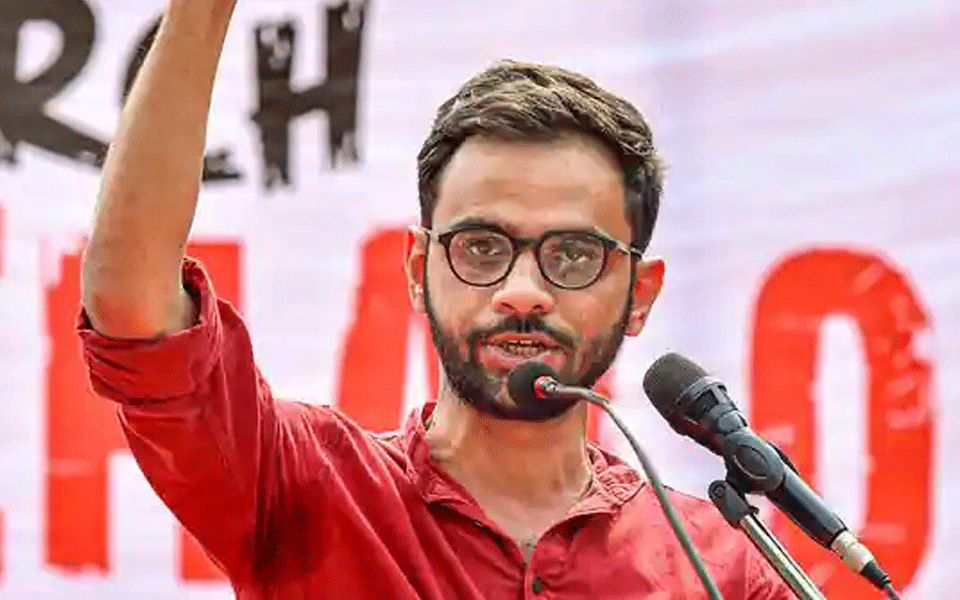
New Delhi: A Delhi Court on Saturday discharged Umar Khalid and member of ‘United Against Hate’ Khalid Saifi in a case pertaining to the North-East Delhi riots that took place in 2020.
Both Khalid and Saifi are on bail in the FIR. However, they continue to remain in judicial custody in the UAPA case alleging a larger conspiracy behind the riots.
The FIR was registered under sections 109, 114, 147, 148, 149, 153-A, 186, 212, 353, 395, 427, 435, 436, 452, 454, 505, 34 and 120-B of IPC along with sections 3 and 4 of Prevention of Damage to Public Property Act and section 25 and 27 of Arms Act.
The case was registered on the basis of the statement of a constable wherein it was stated that a large crowd had gathered near Chand Bagh Pulia on February 24, 2020 and started pelting stones.
It was alleged that while the police officials went to a nearby parking lot to save himself, the mob broke the shutter of the parking lot and thrashed people present inside and also set the vehicles on fire. The case was thereafter transferred to the Crime Branch on February 28, 2020.
Let the Truth be known. If you read VB and like VB, please be a VB Supporter and Help us deliver the Truth to one and all.
Congress using hijab issue to pacify minority anger, alleges Karnataka LoP R Ashoka
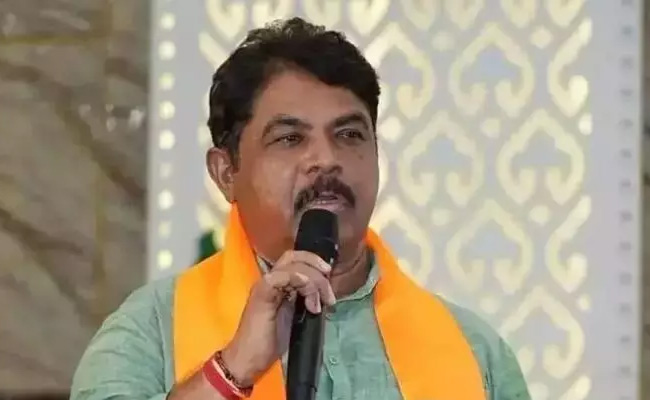
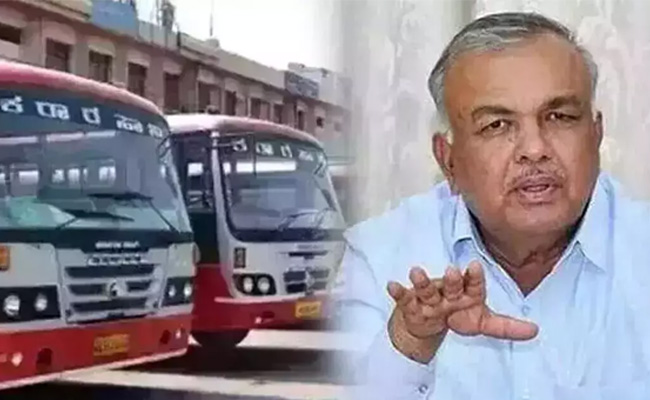
Bengaluru: Leader of Opposition in the Assembly R. Ashoka has accused the Congress government of using the hijab issue to placate what he described as discontent among minority voters after the Davanagere by-election.
In a post on X on Wednesday, Ashoka alleged that the state government, instead of addressing issues such as price rise, corruption, farmers’ distress and law and order, was attempting to retain its minority vote base by reviving the hijab issue.
Referring to the 2022 dress code introduced by the BJP government, which prohibited hijab in schools and colleges, Ashoka said the Karnataka High Court had upheld the policy and emphasised the importance of discipline in educational institutions.
He questioned the Congress government’s move to revisit the issue and asked whether setting aside the court-backed policy to benefit one community could be described as secularism.
Ashoka further alleged that while the government was willing to permit hijab, it continued to prohibit saffron shawls.
He accused the government of dividing students on religious lines rather than treating schools and colleges as spaces of equality.
Drawing a comparison with Mamata Banerjee’s government in West Bengal, Ashoka claimed that excessive appeasement politics had harmed the state and warned that the Congress in Karnataka could face a similar political response.
He said voters in Karnataka would teach the Congress a lesson for what he termed “vote-bank politics” and for compromising constitutional and judicial principles.