Delhi court grants bail to CM Kejriwal, his deputy in CS assault case
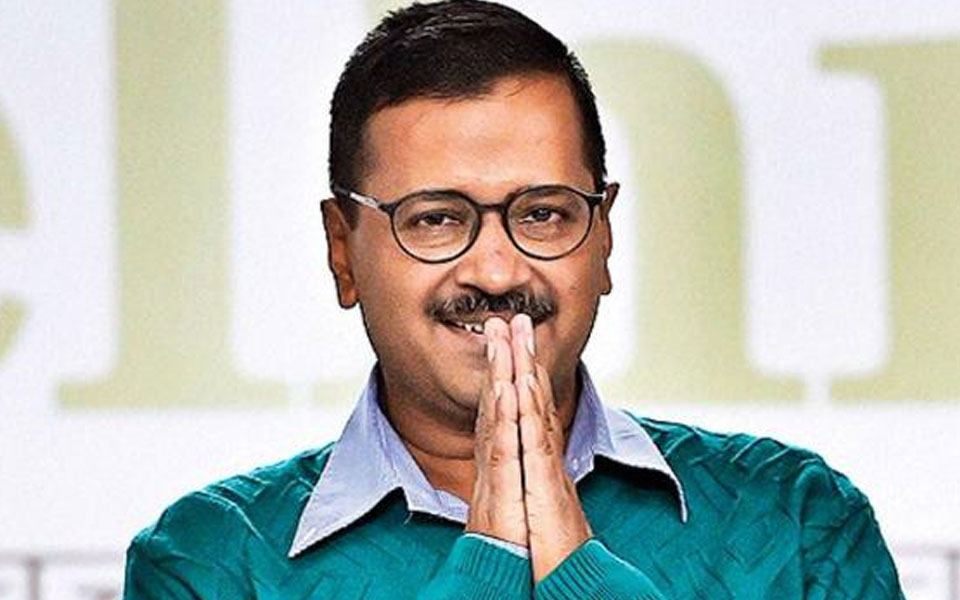
New Delhi, Oct 25 : A Delhi Court Thursday granted bail to Chief Minister Arvind Kejriwal and his deputy in the Chief Secretary Anshu Prakash assault case.
Prakash was allegedly assaulted during a meeting at Kejriwal's official residence on February 19. All the accused were granted bail on a personal bond of Rs 50,000 except Amanatullah Khan and Prakash Jarwal.
Khan and Jarwal were earlier granted bail by the Delhi High Court. The bail was granted after they appeared before the court in pursuance to summons issued to them.
The court has now put up the matter for further hearing on December 7.
Let the Truth be known. If you read VB and like VB, please be a VB Supporter and Help us deliver the Truth to one and all.
Party remains robust, will bounce back, says DMK
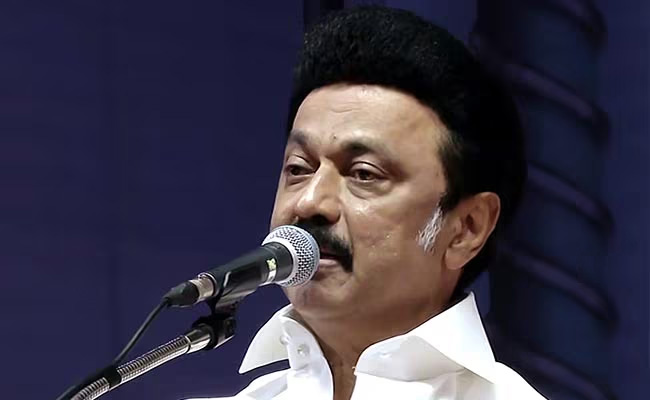
Chennai (PTI): Dismissing the shock defeat in the Assembly election as nothing unusual in a democracy, the DMK on Wednesday said it has seen several ups and downs in its long history and asserted that the party workers and office-bearers continue to be energetic and are committed to continuing the good work for people's welfare.
Tracing the party's chequered history, DMK Organisation Secretary RS Bharathi said in 1991 Assembly polls, only the party's late patriarch M Karunanidhi and Parithi Ilamvazhuthi won from Harbour and Egmore segments respectively out of the 234 constituencies in the state.
"So, who can forget 1991? That year we lost. But we bounced back and formed the government in 1996. In our long history of over 7 decades we have seen lots of ups and downs and party workers show determination and continue the good work even when out of power," the DMK leader told PTI.
He said the difference in vote share between his party (24.19 per cent) and the "winning party" (34.92 per cent) is not "very wide."
Bharathi expressed confidence about the party bouncing back and once again emerging victorious.
He and others cited the message of DMK President M K Stalin, thanking the people and asserting that ideology was important rather than victories and defeats alone.
On May 4, the DMK chief asserted that he had seen in his public life, lot of victories and defeats as well. Hence, it is the goal and ideology that was paramount and not merely electoral victories and defeats.
The DMK, which worked efficiently as the ruling party, would from now on work effectively as the main opposition party.
He had further said: "I was truthful to all sections of people; I acted as per conscience, worked beyond my capacity."
Stalin said: "I bow to people's verdict, DMK worked well as ruling party, from now on will be good opposition party. DMK's political journey will continue without any slackness."
When votes were counted on May 4, actor-politician Vijay's TVK created a record of sorts in the electoral history of Tamil Nadu and emerged as the single largest party by delivering a shock defeat to incumbent DMK and its president, Chief Minister Stalin in his Kolathur constituency, while the AIADMK was pushed to a distant third spot.
Vijay and TVK have many firsts to their credit and the party founder will be the first person from a minority religion -Christianity- to helm the state. The assembly election was held on April 23 in Tamil Nadu.
கழகத் தலைவர் மு.க.ஸ்டாலின் அவர்களின் அறிக்கை
— DMK (@arivalayam) May 5, 2026
நடந்து முடிந்த தமிழ்நாடு சட்டமன்றப் பொதுத் தேர்தலில் திராவிட முன்னேற்றக் கழகத்தின் தலைமையிலான மதச்சார்பற்ற முற்போக்குக் கூட்டணிக் கட்சியின் வேட்பாளர்களுக்கு வாக்களித்த தமிழ்நாட்டு மக்கள் அனைவருக்கும் எனது மனமார்ந்த நன்றியை உண்மை… pic.twitter.com/LQtrACGK0z