Delhi govt to add 7,000 EV charging stations, 2,000 buses this year to curb air pollution
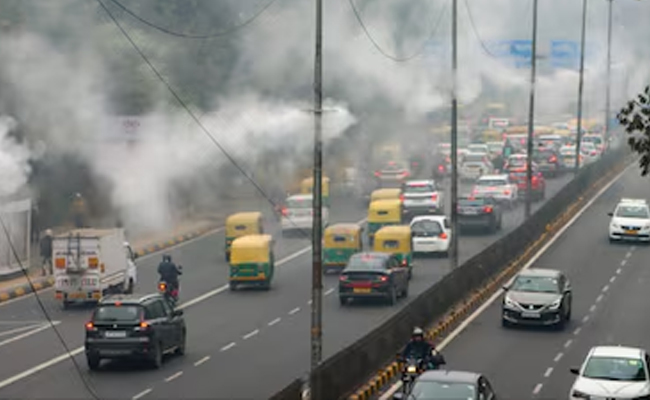
New Delhi (PTI): The Delhi government is planing to install around 7,000 new electric vehicle charging stations by the end of the year to promote clean mobility and boost EV adoption, officials said on Monday.
According to the officials, the initiative is part of a broader strategy to mitigate vehicular emissions, a primary driver of air pollution in the national capital. Alongside the charging infrastructure, the government is planing to strengthen public transport by expanding the bus fleet.
The existing EV policy will expire at the end of March. Officials said a revised policy is expected to finalised and notified by that deadline.
Under the proposed transport plant, the government has plans to add over 2000 buses by the end of 2026, the officials said.
In a recent high-level review meeting on air pollution control measures, authorities established a total requirement of 11,000 buses for the city. Delhi, currently operates 5,245 buses, including 3,377 electric buses.
"A month-wise action plan was shared with the officials. The target is to add 2,468 new buses this year. However, some old CNG buses may get phased out over the year, which the government has to factor in yet," a senior official said.
To support the transition to electric vehicles, the government's pollution control plan includes the addition of 7,000 charging stations across the city.
Official data shows that as of December, Delhi has 8,849 charging stations against a projected requirement of 36,150. This leaves a current deficit of 27,301 stations.
With the addition of 7,000 new charging stations, the total is expected to reach 15,849. These charging stations are situated at Rapid Rail and Delhi Metro stations and are installed by power distribution companies, the officials said.
The government is also working with the Delhi Traffic Police to address road congestion.
Traffic Police has identified 62 congestion hotspots and 215 specific remedial tasks. Of these, 83 tasks have been completed, while 46 have been deemed unfeasible due to ongoing infrastructure projects, redevelopment works, or lack of feasibility, the officials said.
Of the 86 pending tasks, 50 are scheduled to be completed within the next one to six months.
The government's web portal for licensing and onboarding vehicles by motor vehicles aggregators, delivery service providers and e-commerce entities has registered approximately 7 lakh vehicles since its launch in 2023, they added.
Let the Truth be known. If you read VB and like VB, please be a VB Supporter and Help us deliver the Truth to one and all.
4 workers die after being buried under coal slurry in Jharkhand's Dhanbad
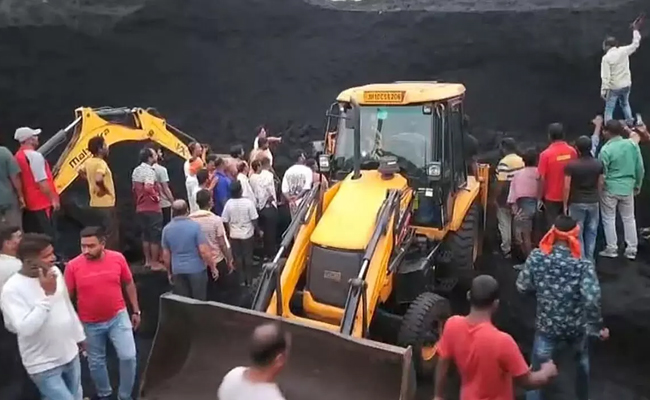
Dhanbad (Jharkhand) (PTI): At least four workers died after being buried under coal slurry in Jharkhand's Dhanbad district on Saturday, a police official said.
The incident took place at Moonidih coal washery in the command area of Bharat Coking Coal Limited (BCCL).
"Bodies of all four workers were dug out of debris during a rescue operation," Putki police station in-charge Waqar Hussain told PTI.
The incident took place when coal slurry was being loaded into trucks by workers, during which a large chunk of slurry fell and trapped several workers underneath, officials said.
The deceased have been identified as Manik Bauri, Dinesh Bauri, Deepak Bauri, and Hemlal Gope.
Meanwhile, the family members of the deceased and local villagers placed the bodies in front of the washery gate and began a protest.
They demanded compensation, jobs for dependents and action against those responsible for the incident.
Police and administration officials are trying to pacify the protesters, an official said.