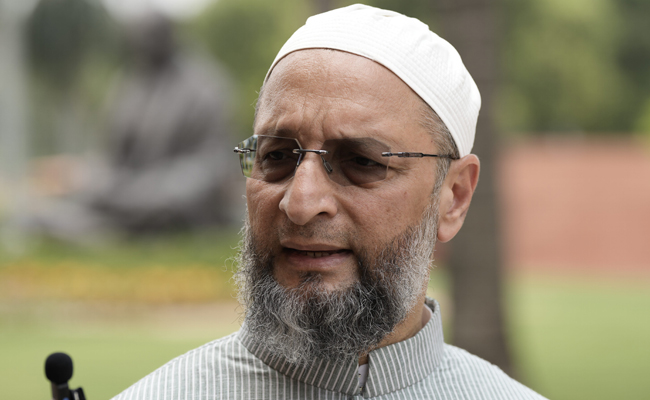
Delhi HC grants 3-day custody parole to PFI leader OMA Salam to travel to Kerala
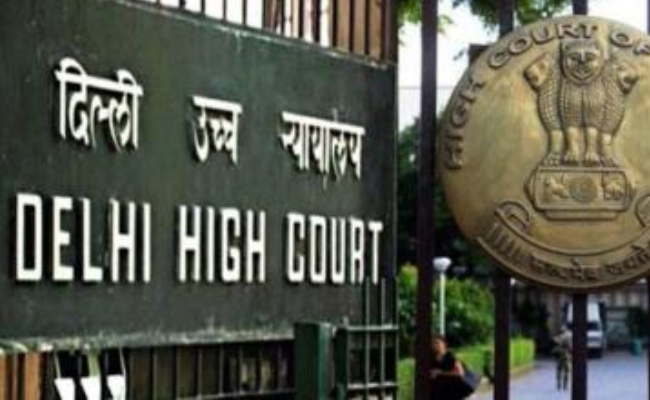
New Delhi (PTI): The Delhi High Court on Monday permitted Popular Front of India leader OMA Salam to travel to Kerala on custody parole of three days to perform certain rituals in relation to the death of his daughter last year.
Justice Ravinder Dudeja granted 3-day custody parole of six hours each day to the PFI chairman and directed him not to use mobile phone or have any public engagement during this duration.
The judge, while clarifying that he would pass a detailed order, also said that the expenses for the travel would be borne by Salam.
"Custody parole granted for 3 days, six hours a day. One visit to the graveyard, rest (of the rituals to be performed) at home. No mobile, no photographs, no public engagement," the court said.
Salam, arrested in an Unlawful Activities (Prevention) Act case against the proscribed organisation and its members, sought permission to travel in custody to his hometown in Kerala for performing certain ceremonies for 15 days following his daughter's death last year.
Custody parole entails a prisoner being escorted by armed police personnel to the place of visit.
Counsel for the NIA opposed Salam's plea on the grounds that he was a security threat, whose presence in Kerala would put a "tremendous pressure of the state".
"The man is chairman of PFI. He is a law and order risk.. he wanted to spread Sharia law in the country. There was widespread violence," the NIA counsel said.
Asserting that ceremonies take a backseat in the face of national security, the NIA counsel also said the rituals in questions were only optional.
He emphasised that at the time of passing of the accused's daughter, the NIA had not opposed custody parole for three days but at this stage, a prolonged custody parole was not possible.
"After a year (of daughter's death) you say I want to go to Kerala for 15 days. This is just a ruse to go to Kerala. One day is alright, he may go," added the counsel.
Salam's counsel said custody parole, even if for five days, should be granted to him on humanitarian grounds.
He assured the court that Salam would be at home or visit the daughter's grave and not interact with anyone else except his family.
He had earlier said rituals were slated to take place between April 18 and May 2.
Salam moved the high court last week against a trial court order, which granted him a day and six hours of custody parole.
The PFI chairperson was arrested by the NIA in a massive crackdown on the banned organisation in 2022.
The probe agency alleged the PFI, its officer bearers and members hatched a criminal conspiracy to raise funds for committing acts of terror in various parts of the country aside from conducting camps to indoctrinate and train their cadres for this purpose.
Preceding the nationwide ban, in near-simultaneous raids across the country as part of a multi-agency operation spearheaded by the NIA, a large number of PFI activists were detained or arrested in 11 states for allegedly supporting terror activities in the country.
The arrests were made in states and Union Territories, including Kerala, Maharashtra, Karnataka, Tamil Nadu, Assam, Uttar Pradesh, Andhra Pradesh, Madhya Pradesh, Puducherry, Delhi and Rajasthan.
The government banned the PFI and several of its associate organisations on September 28, 2022 for five years under the stringent anti-terror law, the Unlawful Activities (prevention) Act (UAPA), accusing them of having links with global terror groups like the ISIS.
Last year, Salam had sought interim bail from the high court on the grounds that his wife was in a "depressive state" following the death of his daughter.
The plea was, however, rejected by the high court, saying that Salam was "a person of great influence" who managed and administered PFI for several years, and enlarging him on interim bail would not only entail flight risk but also the possibility of several witnesses being influenced.
Let the Truth be known. If you read VB and like VB, please be a VB Supporter and Help us deliver the Truth to one and all.
“Goli maro…” slogan raised as ABVP-linked group disrupts play at University of Hyderabad
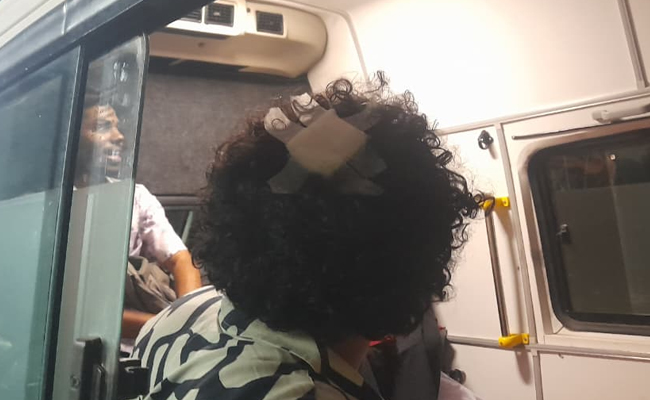
Hyderabad: A group allegedly linked to the Akhil Bharatiya Vidyarthi Parishad (ABVP) disrupted a theatre performance at the University of Hyderabad on Sunday evening. The group is also accused of vandalising property and assaulting students.
Slogans such as “Desh ke gaddaron ko, goli maro…” were raised during the incident, according to eyewitnesses.
According to the Observer Post, the disruption happened as Mahesh Elkunchwar's play Holi was being staged at the Department of Theatre Arts' GB Hall. The group reportedly objected to certain portions of the play, claiming that some phrases hurt religious sentiments.
According to accounts from those present, the situation escalated when individuals forced their way into the venue after damaging fixtures and breaking glass panels outside the auditorium. Students attempting to intervene were reportedly assaulted, and a guest faculty member was allegedly threatened.
Several students sustained injuries and were provided initial treatment at the campus health centre before being shifted to a nearby hospital.
Police later arrived at the scene, brought the situation under control, and escorted those inside the hall to safety. Witnesses said tensions remained high, with some members of the group continuing to raise slogans during the evacuation.