Delhi must emerge as tourism hub, not just transit point: Minister Sood
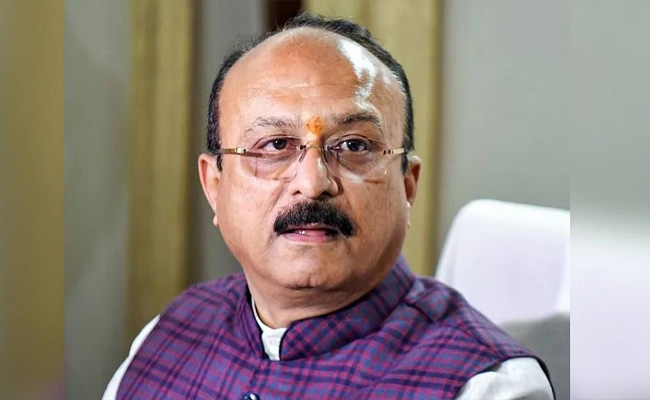
New Delhi (PTI): Delhi Education Minister Ashish Sood on Thursday said the time has come to develop the national capital into a leading tourism destination rather than a mere transit hub, asserting that the city's growth vision is centred on improving infrastructure, aesthetics and visitor experience.
Addressing the second ICC Aviation and Tourism Summit 2026 organised by the Indian Chamber of Commerce, Sood said the Delhi Budget 2026–27 lays a roadmap for building a developed city defined by order, opportunity and modern infrastructure.
The summit brought together policymakers, aviation and tourism industry leaders, and other stakeholders to deliberate on growth prospects and collaboration in the sector. ICC Tourism Excellence Awards were also presented on the occasion, an official statement said.
Sood highlighted the importance of first impressions for tourists and said that the arrival experience plays a crucial role. He said Indira Gandhi International Airport reflects the city's identity and has been recognised as the best airport in India and South Asia for the eighth consecutive time.
He added that initiatives such as cultural displays and technology-driven systems like DigiYatra have improved passenger experience, making travel smoother and more efficient.
Referring to the Delhi Budget, Sood said the Rs 1.37 lakh crore outlay for 2026–27 focuses on infrastructure and urban development.
The capital expenditure has been increased to Rs 32,000 crore, with Rs 2,613 crore earmarked for transport and related infrastructure, including the redevelopment of around 750 km of roads, he added.
He said projects such as flyovers and corridors, including the Barapullah Phase-3, are aimed at easing congestion and improving connectivity across the city.
Efforts to promote Delhi's global image through initiatives like "Branding Delhi" are also underway, as such events and cultural infrastructure help in boosting tourism, he added.
The minister further said the government is also focusing on sustainable growth with a dedicated green budget and policies promoting electric vehicles and solar energy.
He called for collective efforts to position Delhi not only as the political capital but also as a cultural and tourism hub, adding that the government aims to ensure a positive experience for every visitor.
Let the Truth be known. If you read VB and like VB, please be a VB Supporter and Help us deliver the Truth to one and all.
Siddaramaiah stresses need to establish Supreme Court bench in South India
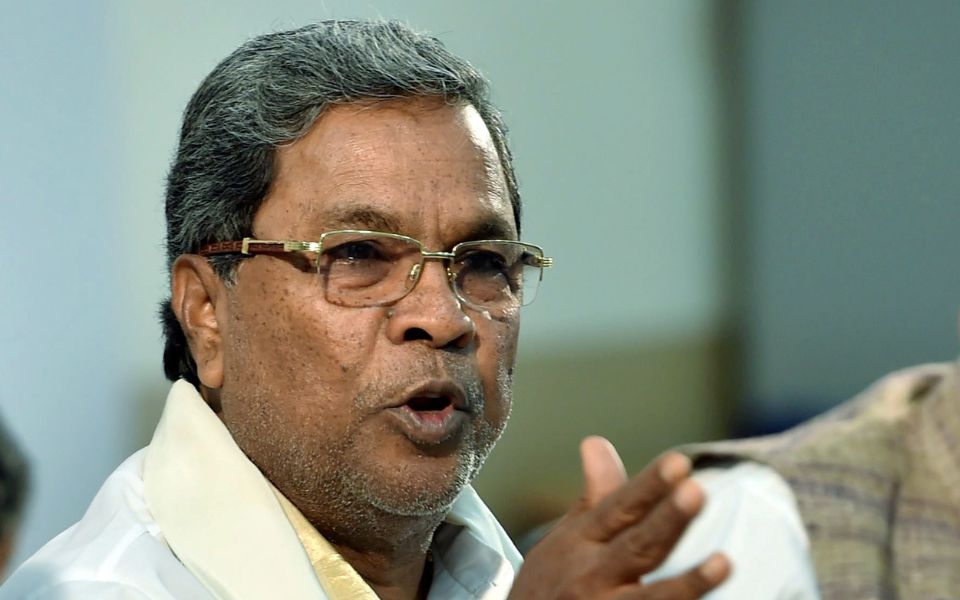
Bengaluru (PTI): Karnataka Chief Minister Siddaramaiah on Saturday stressed the need to improve accessibility to the highest court of the land, asserting that establishing a Supreme Court bench in South India would go a long way in ensuring justice.
Speaking at the 22nd Biennial State Level Conference of Judicial Officers with a theme 'Reimagining the Judiciary in the era of Artificial Intelligence', he said, the authority of a judge must never be overshadowed by the authority of an algorithm.
"Even as we explore these new frontiers, we must remain mindful of the enduring challenges facing our judiciary," the chief minister said.
"Pendency of cases continues to be a serious concern that affects the timely delivery of justice. While technology can provide tools to address this, it must be complemented by systemic reforms through strengthening infrastructure, increasing judicial capacity, and modernising court processes," Siddaramaiah said.
"There is also a strong and compelling need to improve accessibility to the highest court of the land. The establishment of a Supreme Court bench in South India would go a long way in ensuring justice," he said.
Chief Justice of India, Surya Kant, Supreme Court Judges B V Nagarathna and Aravind Kumar and Chief Justice of High Court of Karnataka Vibhu Bakhru were among those present.
The CM said, "We stand today at a defining juncture where law and technology are no longer separate domains, but interconnected forces shaping governance, rights, and the very nature of justice itself."
"Artificial Intelligence is emerging as a transformative force that challenges how we interpret evidence, how we understand facts, and how decisions are arrived at. It offers immense promise, aiding faster legal research, improved case management, and the possibility of reducing pendency through intelligent systems," he said.
"Yet, it also raises profound concerns. Algorithmic bias can undermine the guarantee of equality before law. Opaque systems may weaken the doctrine of reasoned decisions, which lies at the heart of our judicial process," he added.
Siddaramaiah said, Judicial independence, which is the cornerstone of our democracy, must be preserved not only from external pressures but also from subtle technological dependence.
"The authority of a judge must never be overshadowed by the authority of an algorithm," he said.
Pointing out that the emergence of AI-generated evidence presents new challenges for our legal system, the CM said, Deepfakes, synthetic data, and machine-generated content compel us to revisit established doctrines relating to admissibility, burden of proof, and authenticity.
"The courts will increasingly be called upon to determine what constitutes reliable evidence in a digital age. In doing so, we must ensure that truth remains grounded in verifiability and integrity, not merely in technological sophistication," he said.
Hoping that the judiciary will play a defining role in shaping the regulatory framework for artificial intelligence in India, he further said, "through well-established constitutional doctrines such as due process, proportionality, and the right to privacy, our courts will determine the contours within which AI must operate."
"The judiciary, therefore, is not only a user of technology but also the ethical compass that will guide its deployment in society," he added.
Noting that technology also offers meaningful opportunities to strengthen judicial processes, Siddaramaiah said, AI-assisted legal research may democratise access to precedents and reduce disparities in legal knowledge.
Siddaramaiah also said that blockchain technology holds promise in ensuring secure, tamper-proof judicial records. Stating that the intelligent case management systems can streamline court functioning and reduce delays, he said, "However, these innovations must be adopted with care, ensuring that efficiency does not come at the cost of fairness."
"In this transformation, the capacity of our judicial institutions becomes critical. Judges of the future must be equipped not only with legal acumen but also with a clear understanding of technological systems," he added.
Stating that the question is how artificial intelligence intersects with the fundamental principles of equality and social justice, the CM said, if not carefully designed and regulated, AI systems can replicate and even amplify existing social inequalities.
No algorithm can replace the human capacity for empathy, the wisdom that comes from lived experience, or the moral reasoning that defines judicial decision-making, he said, "Technology can assist, but it cannot replace the human conscience that lies at the heart of justice."
Siddaramaiah said, the Government of Karnataka remains committed to building robust judicial infrastructure, facilitating digital transformation, and creating an ecosystem where innovation and justice can progress together.