Delhi riots: High Court denies bail to Umar Khalid, Sharjeel Imam, seven others in UAPA case
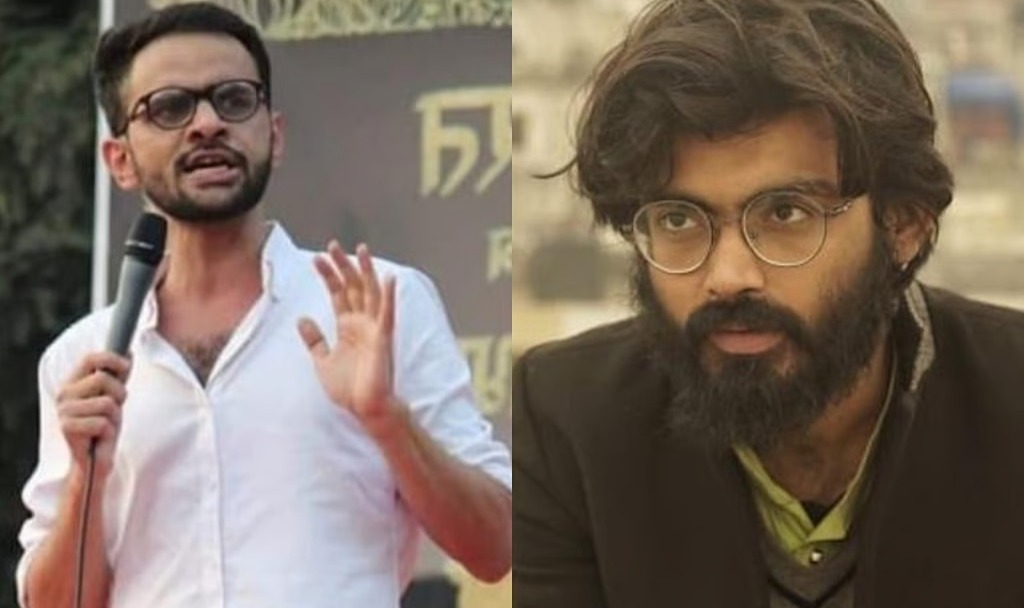
New Delhi: In a significant development in the 2020 Delhi riots "larger conspiracy" case, the Delhi High Court on Tuesday dismissed the bail pleas of student activists Umar Khalid, Sharjeel Imam, and seven other accused. The judgment was delivered by a division bench comprising Justice Naveen Chawla and Justice Shalinder Kaur.
The individuals whose bail pleas were rejected include:
- Sharjeel Imam (arrested: Jan 28, 2020)
- Umar Khalid (arrested: Sep 13, 2020)
- Athar Khan (arrested: Jun 29, 2020)
- Khalid Saifi (arrested: Feb 26, 2020)
- Mohd. Saleem Khan (arrested: Jun 24, 2020)
- Shifa-Ur-Rehman (arrested: Apr 26, 2020)
- Meeran Haider (arrested: Apr 01, 2020)
- Gulfisha Fatima (arrested: Apr 04, 2020)
- Shadab Ahmed (arrested: Jun 11, 2020)
All the accused had approached the High Court to challenge the trial court’s orders denying them bail in FIR 59 of 2020, registered by the Delhi Police's Special Cell under sections of the Indian Penal Code (IPC), 1860, and the Unlawful Activities (Prevention) Act (UAPA), 1967.
Senior Advocate Trideep Pais, appearing for Umar Khalid, argued that mere presence in WhatsApp groups does not amount to criminality, especially when no incriminating messages were sent. Pais also stated that no recovery—monetary or otherwise—had been made from Khalid and questioned the prosecution's claim of a “secret” meeting held on the night of February 23–24, 2020.
Senior Advocate Rebecca John, appearing for Khalid Saifi, contended that Saifi’s messages were innocuous and the prosecution had attempted to build a narrative around them. She also raised the argument of parity, noting that three co-accused had been granted bail in June 2021.
Sharjeel Imam, through Advocate Talib Mustafa, argued that his alleged role in the conspiracy ended on January 23, 2020, before the riots occurred, and that he had no connection with the other co-accused or any conspiracy meetings.
Solicitor General Tushar Mehta, representing the Delhi Police, strongly opposed the bail pleas. “If you are doing something against the nation, then you better be in jail till you are acquitted or convicted,” Mehta asserted. He claimed the accused aimed to globally defame the country and strategically chose a particular day to incite violence and arson.
Special Public Prosecutor Amit Prasad also appeared on behalf of the Delhi Police.
FIR 59/2020 includes multiple accused under serious charges, including those under the stringent UAPA. Apart from the nine denied bail today, the broader case includes other prominent names such as Tahir Hussain, Ishrat Jahan, Asif Iqbal Tanha, Safoora Zargar, Natasha Narwal, Faizan Khan, and Tasleem Ahmed.
Let the Truth be known. If you read VB and like VB, please be a VB Supporter and Help us deliver the Truth to one and all.
Karnataka School Edu Dept prohibits children from being made to dance to obscene songs
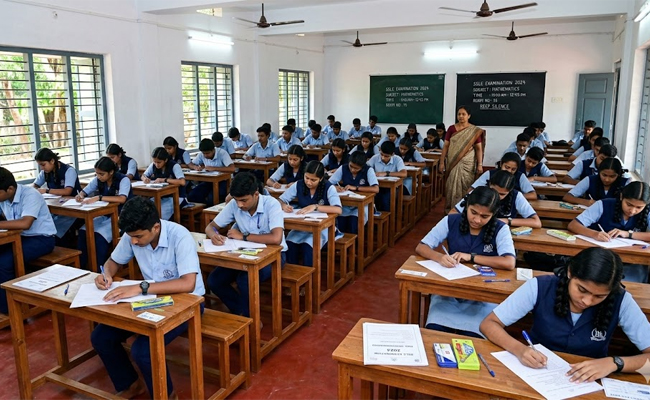
Bengaluru (PTI): The Karnataka School Education Department has issued a circular strictly prohibiting children from being made to dance to obscene songs in educational and cultural programmes.
It stated that such dances would negatively impact students' mental health and moral values. It will create indiscipline and harm the sanctity of education.
"All the Deputy Directors (Administration) of the state's School Education Department have been asked to take strict measures to prevent children or students from dancing to obscene songs in all government, aided and unaided schools in the state," the office of the commissioner of the School Education Department said in a recent circular.
"If it is found that children are being made to dance to obscene songs, appropriate action will be taken against the headmaster or management of such school," it added.
The department also listed certain measures in this regard, which include: strictly prohibiting children from being made to dance to obscene songs during educational and cultural programmes; selecting songs that are inspiring, positive, instilling national pride in children and reflecting the greatness, dignity, values, culture, and morality of the state.
Stating that the school headmaster and management are responsible for selecting songs and dances for cultural programmes, it said, they should also ensure that students wear decent clothes in dance or cultural programmes.