DGCA revises duty time limitations norms for flight crew, raises weekly rest periods to 48 hrs
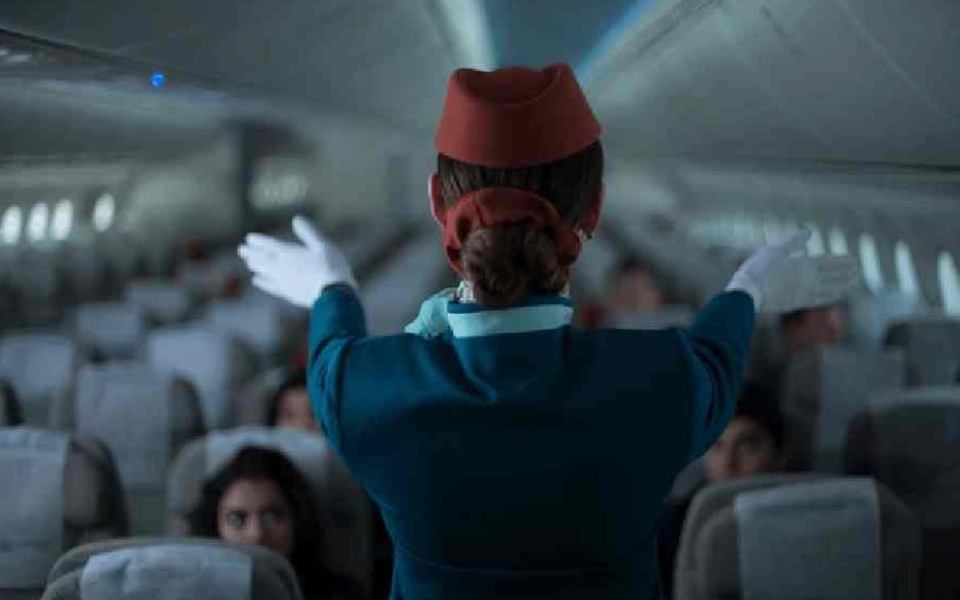
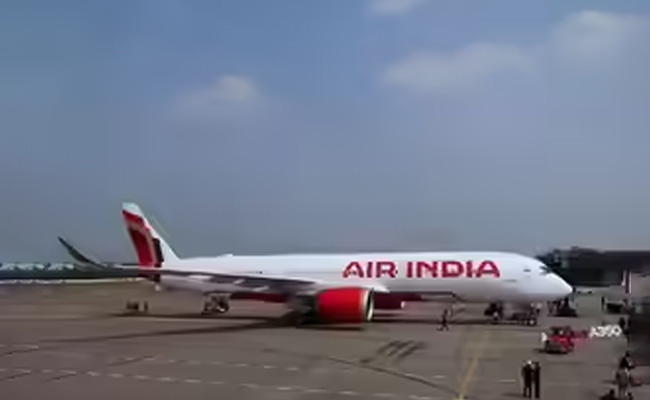
New Delhi, Jan 8: Aviation safety regulator DGCA on Monday came out with revised Flight Duty Time Limitations (FDTL) norms for flight crew, entailing increased weekly rest periods to 48 hours, extension of night hours, and limiting the number of night landings to only two as against six earlier.
These regulations have been instrumental in managing fatigue-related aviation safety risks for more than a decade now, an official statement said.
Airlines are required to comply with the revised norms latest by June 1, it said.
With a view to address and mitigate concerns on pilot fatigue through a data-driven approach, Directorate General of Civil Aviation (DGCA) collected and analysed extensive numbers of pilot rosters, along with pilot fatigue reports submitted by airline operators, it said.
Based on the study and analysis, some of the key areas inducing fatigue, such as maximum flight duty period, night duty, weekly rest period, flight duty period extension, among others, were identified, it said.
The revised FDTL regulations have been formulated after extensive data analysis and feedback from various stakeholders, including airline operators, pilot associations and individuals, as per the statement.
It also said the best practices in the world -- FAA in the US, and EASA in the European Union -- have also been taken into consideration in amending the regulations, while keeping in mind the specific operating environment in India.
The revised regulations mandate increased weekly rest periods from 36 hours to 48 hours for flight crew, thus ensuring sufficient time for recovery from cumulative fatigue, it said.
Moreover, the definition of night has been amended and it now covers the period of 0000-0600 hours in the revised regulations vis-a-vis the period of 0000-0500 hours under the previous regulations.
This enhancement of one hour during the early morning will ensure adequate rest and also align the night duty period, which encompasses Window of Circadian Low (WOCL) from 0200-0600 hours, the time during which the circadian body clock cycle is at its lowest in terms of alertness, the statement said.
Also, the revised regulations have taken into consideration different types of operations across time zones, the statement said, adding that the maximum flight time and maximum flight duty period for flight operations encroaching night have been restricted to eight hours' flight time and 10 hours flight duty period, respectively.
The number of landings has been limited to only two as against the maximum permissible six under previous regulations during night operations, thus enhancing flight safety, it added.
Let the Truth be known. If you read VB and like VB, please be a VB Supporter and Help us deliver the Truth to one and all.
KKR defeat LSG via Super Over
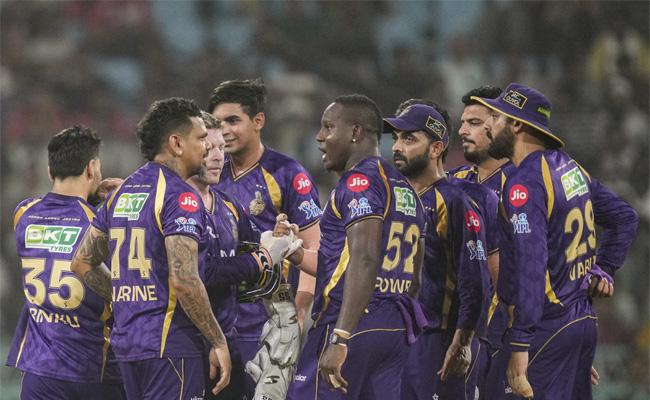
Lucknow (PTI): Kolkata Knight Riders edged Lucknow Super Giants via Super Overs in a battle between two bottom-placed teams in the IPL, here on Sunday.
Chasing a modest 156, LSG suffered a batting collapse and managed to tie the contest and take it to Super Over with No. 9 Mohammed Shami striking a last-ball six against a wayward Kartik Tyagi, who leaked 16 runs in the final over.
But Sunil Narine bowled a stunning Super Over conceding just one run and taking two wickets to give KKR an easy target.
Rinku Singh then finished the chase with a boundary off first ball from Prince Yadav.
Earlier the KKR were in deep trouble with 93/7 in 15 overs but Rinku smashed a sensational 83 not out from 51 balls including four sixes in a row in the final over to lift them to 155/7.
Cameron Green (34) was the only other batter to reach double-digit scores as KKR suffered a familiar batting meltdown with Mohsin taking his maiden fifer.
In reply, LSG continued their dismal show with the bat to succumb to their fifth loss in a row.
Brief Scores:
Kolkata Knight Riders 155/7; 20 overs (Rinku Singh 83 not out, Cameron Green 34; Mohsin Khan 5/23). Lucknow Super Giants 155/8; 20 overs (Rishabh Pant 42). KKR won via Super Over.