Dhanteras gold buying kicks off, record prices may dampen volumes by 15pc
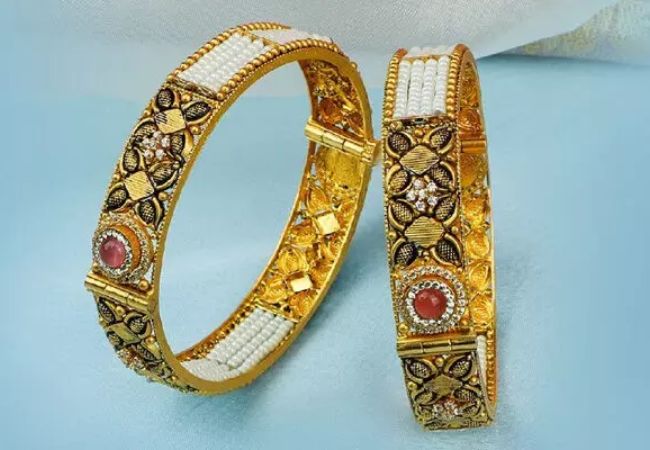
Mumbai/New Delhi (PTI): Gold and silver buying on the auspicious occasion of Dhanteras kicked off on Saturday with jewellers expecting higher footfalls, though record high prices of the yellow metal could dampen demand by 15 per cent in volume terms compared with a year earlier.
Dhanteras, the most auspicious day in the Hindu calendar for buying items ranging from precious metals to utensils, is being celebrated over two days until 1.45 pm on Sunday, with jewellers expecting more footfalls in both online and offline stores.
Gold prices have surged 65 per cent to Rs 1,34,800 per 10 grams of 24 karat, inclusive of all taxes, in the national capital, compared with Rs 81,400 on Dhanteras last year, which was celebrated on October 29, 2024.
Silver prices are currently at Rs 1,77,000 per kilogram.
"We are expecting the momentum to pick up after the muhurat time. Since the festival falls on a weekend we have geared up for a robust Dhanteras," All India Gem And Jewellery Domestic Council (GJC) Chairman Rajesh Rokde told PTI.
GJC expects gold sales to increase by 40-45 per cent in value terms on a year-on-year basis, he said.
Suvankar Sen, Managing Director and chief executive of Senco Gold and Diamonds, said high prices will affect sale volumes by 12-15 per cent, but in value terms there will be growth of 20-25 per cent on Dhanteras.
While some consumers are still buying gold jewellery even at high rates, many are shifting towards silver buying, especially bullion.
Saiyam Mehra, former chairman of GJC, said volume-wise, gold jewellery sales are expected to witness a decline of 10 per cent on Dhanteras.
He said silver prices surged due to scarcity of the white metal since last month because of a ban on imports of jewellery, though silver prices have now started seeing a correction.
Sachin Jain, regional CEO for India at the World Gold Council, said Dhanteras and Diwali are the top gold-buying occasions in India.
"Despite gold prices reaching multiple historic highs through 2025, witnessing an approximate 51.2 per cent year-to-date increase in rupee prices by end-September, consumer sentiment and demand for the yellow metal have been positive," he said.
Retailers, who had been cautious about their inventories in recent months, are now well-stocked and optimistic, with seasonal and wedding-related demand further fuelling purchases, suggesting a vibrant festive season for gold sales.
Consumer buying is expected to be strong across various gold purchases, from higher caratage gold jewellery to investment products like digital gold, coins and ETFs.
"This positive outlook is strongly supported by India registering positive gold ETF flows of USD 902 million in September, along with overall gold imports reaching a nine-month high in August 2025," Jain said, adding that gold demand is expected to continue through the Diwali period and until the end of the year due to the wedding season.
Kam Jewelry Managing Director Colin Shah said while demand dynamics are likely to remain consistent, consumer preferences are rapidly shifting toward lightweight jewellery.
"The festive season is expected to see a significant surge in demand for jewellery in the 9 to 18 carat segment. ... we foresee a festive surge of 18-20 per cent in overall sales," Shah said.
India is the world's second-largest gold consumer and one of the largest importers globally, after China.
Let the Truth be known. If you read VB and like VB, please be a VB Supporter and Help us deliver the Truth to one and all.
Trump says he ‘hasn’t even thought about’ continuing Iran ceasefire
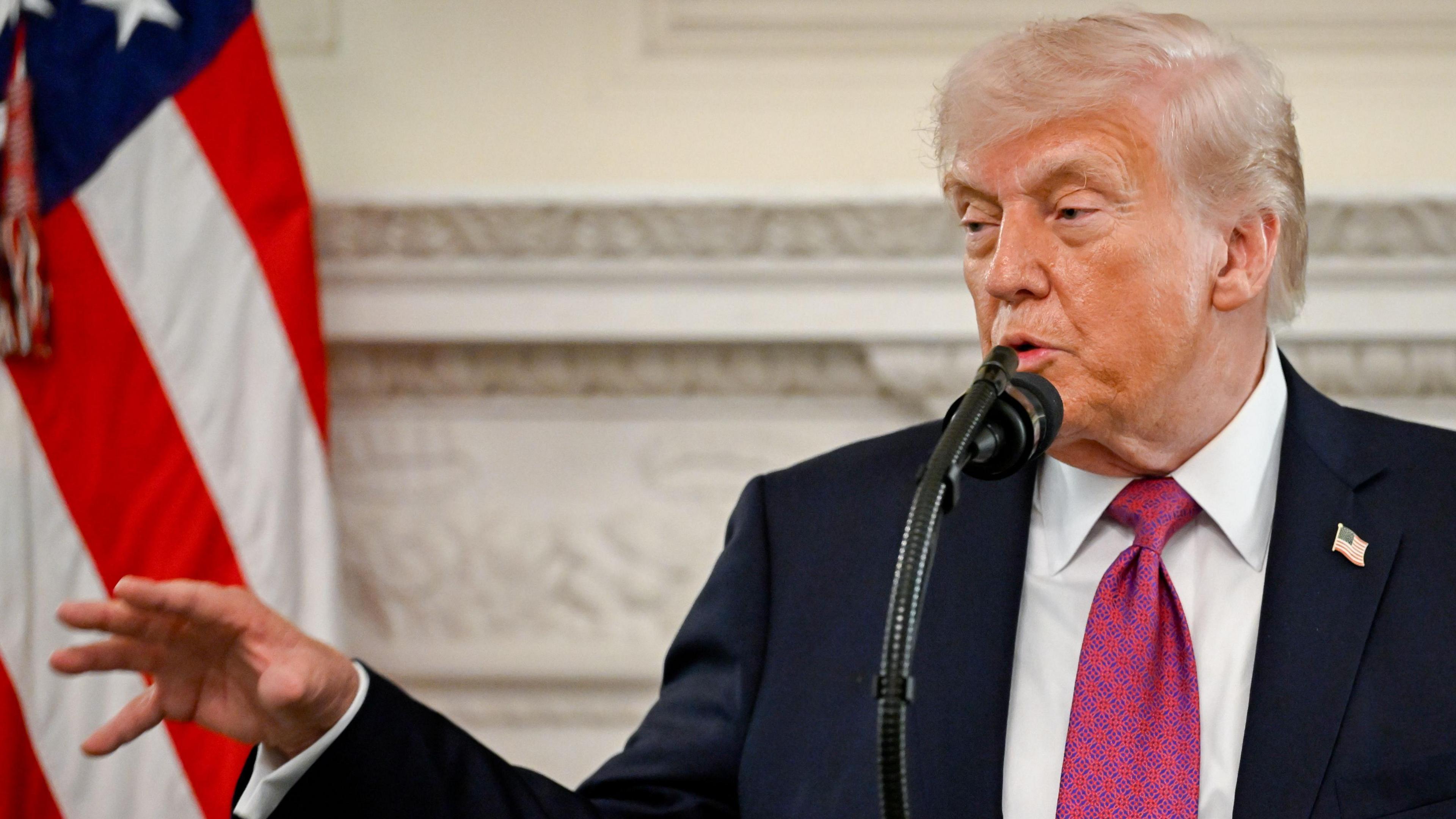
Washington: US President Donald Trump has said he has not yet considered whether he would continue the ceasefire involving Iran, while also claiming the United States holds the advantage in negotiations.
Speaking to reporters, Trump said he was prepared to make a deal with “whoever is running the show” in Iran.
“They are fighting with each other, there’s tremendous infighting. They’re probably fighting for leadership in many cases. I think they’re fighting not to be leader because we knocked out two levels of leaders,” he said.
Trump added, “When they want they can call me. We have all the cards, we’ve won everything.”
Referring to ongoing negotiations, he said, “They gave us a paper that should’ve been better. And, interestingly, immediately when I cancelled it [envoy trip to Pakistan], within 10 minutes we got a new paper that was much better.”
“We talked about they will not have a nuclear weapon, very simple … They offered a lot, but not enough,” he added.
When asked whether he would continue the ceasefire, Trump replied, “I haven’t even thought about it.”
The remarks come as uncertainty remains over the future of the temporary truce and broader negotiations between Washington and Tehran.