Divya Spandana slams Smriti Irani's sanitary pad remark
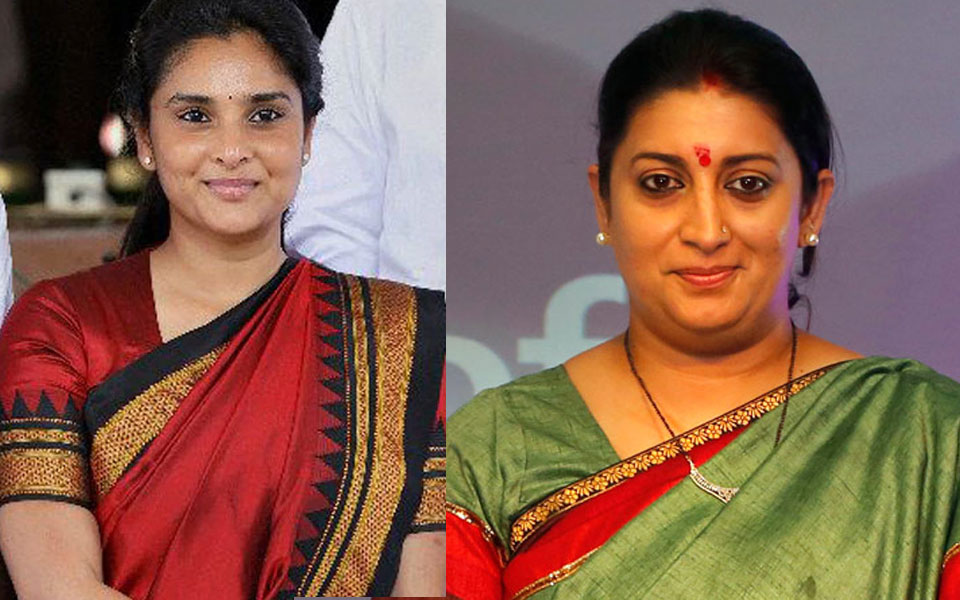
New Delhi : In a strong critique, social media in-charge and Congress leader Divya Spandana slammed Union Minister Smriti Irani for her comment on the Supreme Court verdict in the Sabarimala temple entry case. Irani, in a video gone viral, had said, "I have right to pray,but no right to desecrate. I am nobody to speak on SC verdict as I'm a serving cabinet minister. Would you take sanitary napkins seeped in menstrual blood into a friend's home? No.Why take them into house of God?"
Divya, in her tweet, mocked the Union Minister and said, "Nothing that comes out of the vagina is to be ashamed of. Can’t say the same about the mouth."
Nothing that comes out of the vagina is to be ashamed of. Can’t say the same about the mouth. https://t.co/vAuTrJ9lsr
— Divya Spandana/Ramya (@divyaspandana) October 23, 2018
Irani, responding to the furore over her comments on "menstrual blood" amid the protests against women's entry into the Sabarimala temple, on Tuesday said a propaganda was being launched using her as bait. Interestingly, before she responded to her "comment", the Union minister had claimed that the video was "fake news".
In a series of tweets trying to clarify her comments, Irani said that as a practising Hindu married to a practising Zoroastrian, she is not allowed to enter a fire temple to pray, but she "respects that stand by the Zoroastrian community and priests" and "does not approach any court for the right to pray" as a mother of two Zoroastrian children. Similarly, Parsi or non-Parsi menstruating women, irrespective of age, do not go to a fire temple, she added.
These "two statements are factual" and "the rest of the propaganda and agenda being launched using her as bait is just that", the Union minister said. As far as those who jumped the gun regarding her remark on women visiting a friend's place with a blood-soaked sanitary napkin are concerned, she said she has yet to find a person who "takes" such a sanitary pad to "offer" to anyone, let alone a friend.
Irani added that what "fascinates" her — though she is not surprised — is that as a woman, she is "not free" to have her own point of view. "As long as I conform to the 'liberal' point of view I'm acceptable. How liberal is that?" Irani asked.
Since many people are talking about my comments — let me comment on my comment.
— Smriti Z Irani (@smritiirani) October 23, 2018
As a practising Hindu married to a practising Zoroastrian I am not allowed to enter a fire temple to pray.
I respect that stand by the Zoroastrian community / priests and do not approach any court for a right to pray as a mother of 2 Zoroastrian children. Similarly Parsi or non Parsi menstruating women irrespective of age DO NOT go to a Fire Temple.
— Smriti Z Irani (@smritiirani) October 23, 2018
These are 2 factual statements. Rest of the propaganda / agenda being launched using me as bait is well just that ... bait.
— Smriti Z Irani (@smritiirani) October 23, 2018
But what fascinates me though does not surprise me is that as a woman I am not free to have my own point of view. As long as I conform to the ‘liberal’ point of view I’m acceptable. How Liberal is that ??
— Smriti Z Irani (@smritiirani) October 23, 2018
According to several media reports, the Union textile minister was speaking at the "Young Thinkers" conference organised by the British High Commission and the Observer Research Foundation in Mumbai, when she made the remarks while speaking on the Sabarimala controversy, she had said that "the right to pray did not mean the right to desecrate".
"I am nobody to speak against the Supreme Court verdict as I am a serving Cabinet minister. But just plain common sense is that would you carry a napkin seeped with menstrual blood and walk into a friend's house? You would not. And would you think it is respectful to do the same when you walk into the house of God? That is the difference. I have the right to pray, but no right to desecrate. That is the difference we need to recognise and respect," Irani reportedly said at the event.
However, once reports on her remarks began to be widely shared, she took to Twitter to call it "fake news" and said she would clarify the statement soon.
courtesy : firstpost.com
Let the Truth be known. If you read VB and like VB, please be a VB Supporter and Help us deliver the Truth to one and all.
Party remains robust, will bounce back, says DMK
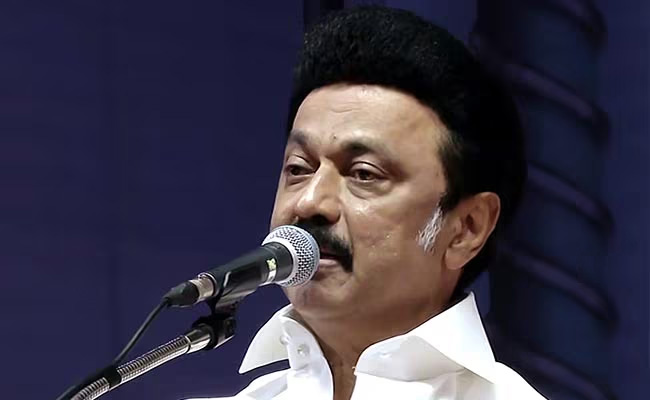
Chennai (PTI): Dismissing the shock defeat in the Assembly election as nothing unusual in a democracy, the DMK on Wednesday said it has seen several ups and downs in its long history and asserted that the party workers and office-bearers continue to be energetic and are committed to continuing the good work for people's welfare.
Tracing the party's chequered history, DMK Organisation Secretary RS Bharathi said in 1991 Assembly polls, only the party's late patriarch M Karunanidhi and Parithi Ilamvazhuthi won from Harbour and Egmore segments respectively out of the 234 constituencies in the state.
"So, who can forget 1991? That year we lost. But we bounced back and formed the government in 1996. In our long history of over 7 decades we have seen lots of ups and downs and party workers show determination and continue the good work even when out of power," the DMK leader told PTI.
He said the difference in vote share between his party (24.19 per cent) and the "winning party" (34.92 per cent) is not "very wide."
Bharathi expressed confidence about the party bouncing back and once again emerging victorious.
He and others cited the message of DMK President M K Stalin, thanking the people and asserting that ideology was important rather than victories and defeats alone.
On May 4, the DMK chief asserted that he had seen in his public life, lot of victories and defeats as well. Hence, it is the goal and ideology that was paramount and not merely electoral victories and defeats.
The DMK, which worked efficiently as the ruling party, would from now on work effectively as the main opposition party.
He had further said: "I was truthful to all sections of people; I acted as per conscience, worked beyond my capacity."
Stalin said: "I bow to people's verdict, DMK worked well as ruling party, from now on will be good opposition party. DMK's political journey will continue without any slackness."
When votes were counted on May 4, actor-politician Vijay's TVK created a record of sorts in the electoral history of Tamil Nadu and emerged as the single largest party by delivering a shock defeat to incumbent DMK and its president, Chief Minister Stalin in his Kolathur constituency, while the AIADMK was pushed to a distant third spot.
Vijay and TVK have many firsts to their credit and the party founder will be the first person from a minority religion -Christianity- to helm the state. The assembly election was held on April 23 in Tamil Nadu.
கழகத் தலைவர் மு.க.ஸ்டாலின் அவர்களின் அறிக்கை
— DMK (@arivalayam) May 5, 2026
நடந்து முடிந்த தமிழ்நாடு சட்டமன்றப் பொதுத் தேர்தலில் திராவிட முன்னேற்றக் கழகத்தின் தலைமையிலான மதச்சார்பற்ற முற்போக்குக் கூட்டணிக் கட்சியின் வேட்பாளர்களுக்கு வாக்களித்த தமிழ்நாட்டு மக்கள் அனைவருக்கும் எனது மனமார்ந்த நன்றியை உண்மை… pic.twitter.com/LQtrACGK0z