DMK alliance to win 180 constituencies, securing 44.9 per cent vote share in TN polls: Survey
Chennai (PTI): The ruling DMK alliance is projected to win 180 of the 234 constituencies in the upcoming Tamil Nadu Assembly elections, according to a pre-poll survey released on Monday.
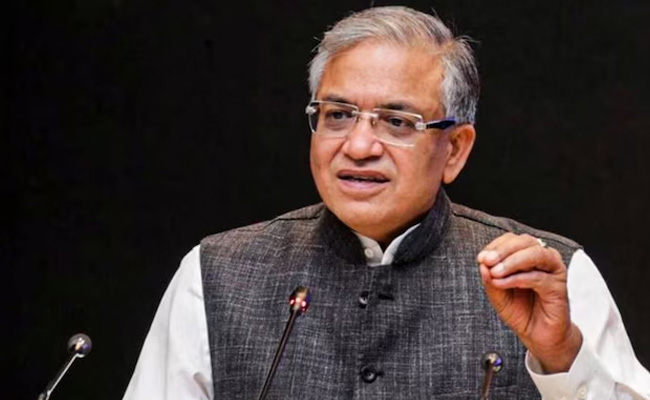
Addressing the media here, R Suresh Kumar, CEO of Agni News Service (ANS), which conducted the survey, said, "the DMK alliance is expected to secure a 44.9 per cent vote share."
The opposition AIADMK alliance is projected to win 54 seats with a 38.5 per cent vote share, facing a major defeat in the Chennai region where it is expected to win zero seats.
The survey predicts a 9.7 per cent vote share for the Tamilaga Vettri Kazhagam (TVK) and 4.8 per cent for the Naam Tamilar Katchi (NTK).
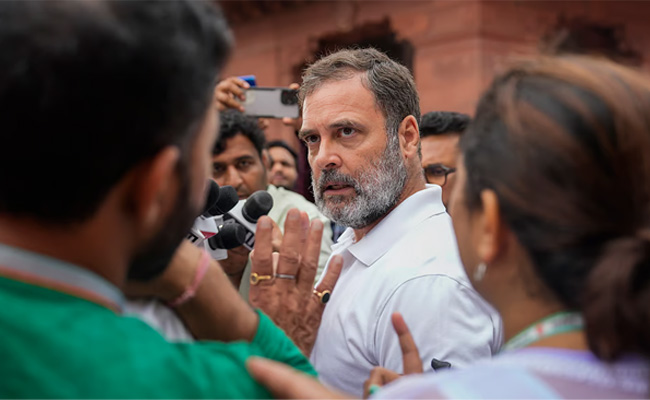
The agency projects that TVK leader Vijay will finish second in Perambur, while NTK chief coordinator Seeman will lose in Karaikudi.
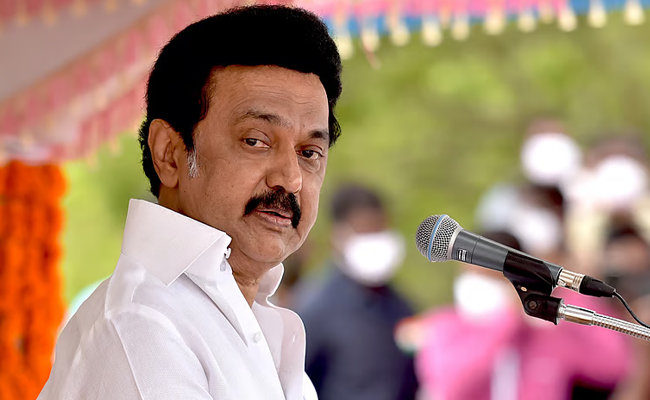
According to the findings, incumbent Chief Minister M K Stalin has the highest chief ministerial influence, whereas Edappadi K Palaniswami lacks such influence.
The survey highlighted strong backing for the DMK among women, with over 60 per cent expected to support the alliance due to the Rs 5,000 financial assistance scheme. Furthermore, 49 per cent of women respondents consider Tamil Nadu a safe state.
Conducted between February 7 and March 12, the survey included 1,01,643 respondents. The agency noted that 30 constituencies currently have a victory margin of less than five per cent. A final opinion poll is scheduled for release on April 19.
Tamil Nadu will contest the election on April 23.
Let the Truth be known. If you read VB and like VB, please be a VB Supporter and Help us deliver the Truth to one and all.
Lebanon appoints new representative for talks with Israel, rejects linkage to Iran
Beirut: Lebanon’s has moved to underline its independent position in ongoing regional developments, amid attempts to link the country to the broader conflict involving Iran, the United States and Israel.
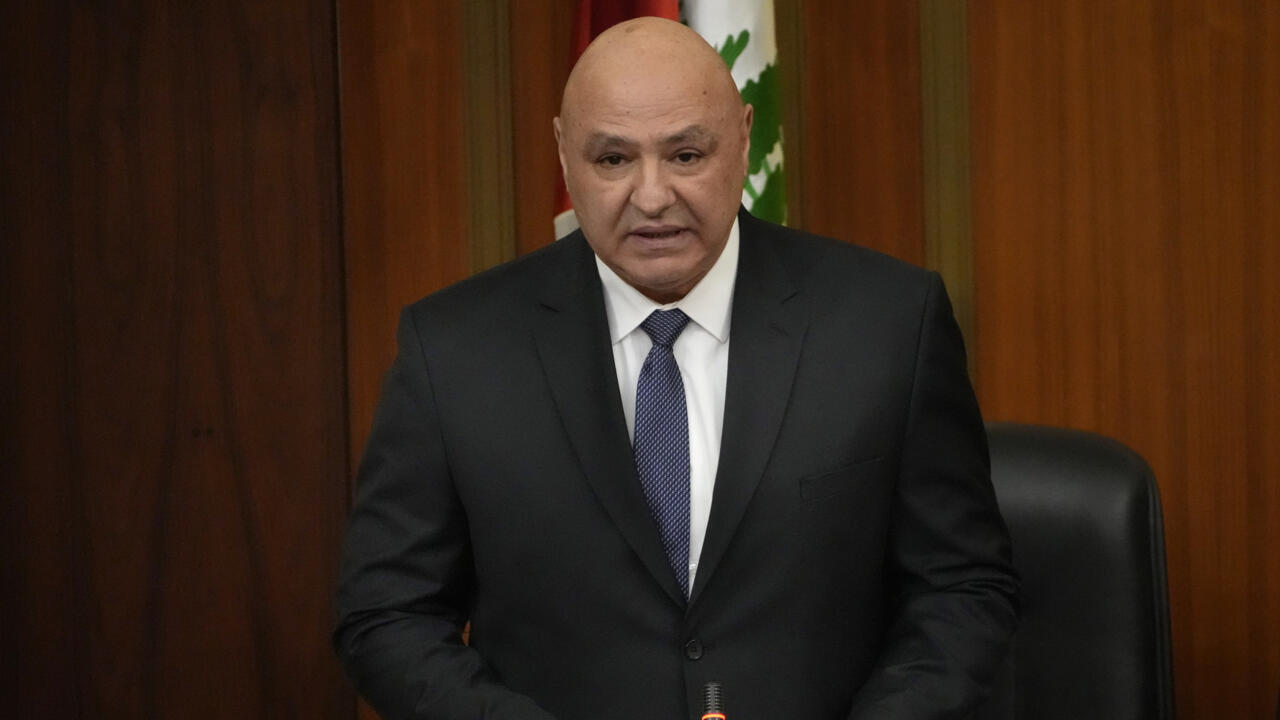
President Joseph Aoun, while announcing the appointment of former US ambassador Simon Karam as Lebanon’s representative in talks with Israel, made it clear that Karam would be the sole representative for Lebanon and that there would be no substitute.
The move comes in response to what the Lebanese officials see as efforts by Iran to tie Lebanon’s situation to the wider regional conflict. Iran had indicated that there would be no ceasefire involving the US, Israel and Iran unless it also included a ceasefire in Lebanon.
Some groups, including Hezbollah and its supporters, had expressed support for linking the situations, citing concerns that the Lebanese government has limited leverage in negotiations with Israel. Lebanon is not formally a party to the conflict, and its army is considered weak.
However, others, including Prime Minister Nawaf Salam, have opposed this approach. They view Iran’s stance as an attempt to influence Lebanon’s internal affairs and see it as undermining the country’s sovereignty.
Officials backing the government’s position say the move is aimed at reaffirming Lebanon’s sovereignty and ensuring that decisions about peace and ceasefire within the country are not dictated externally.
They also see it as a safeguard, so that any breakdown in talks between the US, Israel and Iran does not automatically lead to renewed conflict in Lebanon.