Doctors seek inclusion of ‘Medical Law and Ethics’ as structured subject in medical curriculum
New Delhi: Two senior doctors have written to the National Medical Commission (NMC) urging the inclusion of “Medical Law and Ethics” as a separate subject in both undergraduate and postgraduate medical education. They argued that the fast-changing healthcare environment and the rising number of medico-legal cases in India demand a structured approach to teaching law and ethics in medical training.
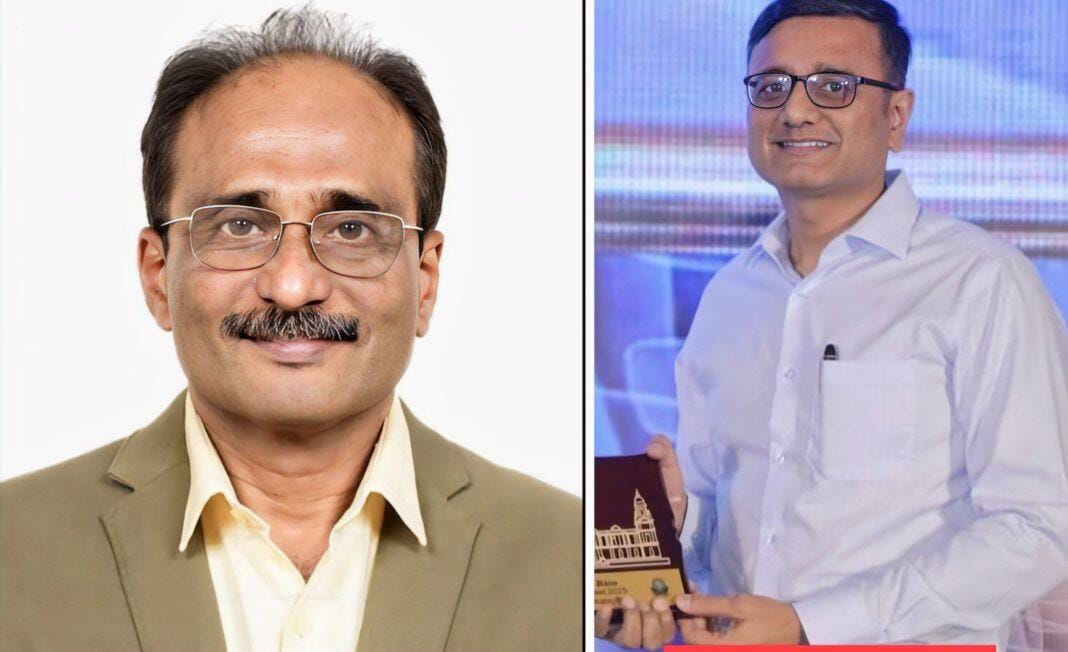
In their joint representation, Dr. B. Sadananda Naik, Senior Physician at Alva’s Health Centre, Moodabidri, and Dr. Adhish Basu, Senior Consultant Plastic Surgeon at Apollo Multispecialty Hospital, Kolkata, stressed that the current medical curriculum only touches upon scattered elements of ethics, communication, and criminal jurisprudence. However, it does not provide medical students with comprehensive knowledge of legal frameworks directly linked to their profession.
Citing data from the Indian Medical Association, the doctors noted that more than 70 percent of medical graduates feel unprepared to deal with the legal side of medical practice. They pointed out that rising litigations and compensation cases in consumer courts have left many practitioners resorting to “defensive medicine,” often increasing healthcare costs and weakening trust between doctors and patients. A structured subject, they said, would enable doctors to clearly understand their duties, rights, and patient-consent requirements.
The proposal also drew attention to global practices. Countries like the United Kingdom, the United States, and Australia already include medical law and ethics modules in their curricula. The World Medical Association’s Charter on Medical Professionalism, adopted in 2002, also underlines the importance of doctors being well-versed in the legal frameworks guiding medical practice.
Referring to important court rulings such as Jacob Mathew vs State of Punjab (2005) and Dr. Suresh Gupta vs Government of NCT of Delhi (2004), the letter highlighted that the Indian judiciary has repeatedly stressed the need for doctors to be legally aware and competent. The doctors said that teaching medical law would also be in line with the National Education Policy (NEP) 2020, which promotes multidisciplinary and holistic learning.
According to them, the present system falls short in several areas. While medical ethics is briefly taught in the Foundation Course, legal concepts such as informed consent in India, principles of medical negligence, confidentiality, consumer protection laws, and medico-legal documentation are either missing or taught superficially. Studies, including one published in the Journal of Indian Medical Ethics in 2022, show that over 80 percent of MBBS students are unaware of their medico-legal responsibilities during emergencies.
They further pointed out that the NMC’s Competency-Based Medical Education (CBME) framework already stresses producing graduates who are not only skilled clinicians but also effective communicators and leaders. Adding medical law as a structured subject, they said, would directly support these goals by improving legal competence and professional accountability.
The doctors believe the inclusion of the subject will lead to several outcomes such as improved medico-legal literacy, better documentation, reduced litigation, enhanced patient safety, and stronger public trust in the healthcare system. It would also prepare doctors to handle legal proceedings and expert documentation with greater confidence.
Dr. Naik and Dr. Basu have urged the NMC to set up an expert committee to study the proposal, design a curriculum that reflects India’s medico-legal realities, and involve legal experts and judicial authorities in shaping the subject. Copies of their proposal have also been sent to the Union Health Minister, the NMC Secretary, and the Under Secretary of Health and Family Welfare.
Let the Truth be known. If you read VB and like VB, please be a VB Supporter and Help us deliver the Truth to one and all.
Rickelton's ton in vain as SRH beat MI by 6 wickets
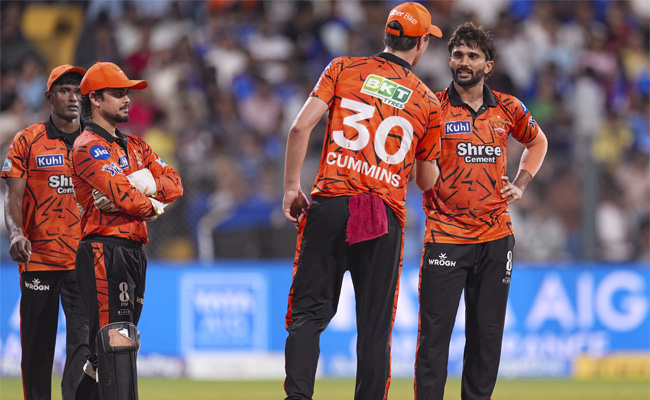
Mumbai (PTI): Ryan Rickelton's whirlwind unbeaten ton was overshadowed by Heinrich Klaasen's unbeaten 65 as Sunrisers Hyderabad defeated Mumbai Indians by six wickets in an IPL match here on Wednesday.
Chasing an imposing 244-run target, Travis Head (76 off 30) and Abhishek Sharma (45 off 24) shared 129 runs for the opening wicket to set the platform for SRH.
Klaasen (65 not out off 30 balls) then displayed his all-round hitting abilities to guide SRH home with the help of Nitish Kumar Reddy (21) and Salil Arora (30 not out off 10) in 18.4 overs.
Earlier, Rickelton's knock powered MI to 243 for five.
MI rode on a 93-run stand between Rickelton (123 not out off 55 balls) and Will Jacks (46 off 22) in 7.1 overs for the opening stand to power the side.
MI skipper Hardik Pandya scored a valuable 31 off 15 balls before being dismissed.
Praful Hinge (2/54), Eshan Malinga (1/29), Sakib Hasan (1/39) and Nitish Kumar Reddy (1/31) were the wicket-takers for SRH.
Brief Scores:
Mumbai Indian: 243 for 5 in 20 overs (Ryan Rickelton 123 not out; Praful Hinge 2/54).
Sunrisers Hyderabad: 249 for 4 in 18.4 overs (Travis Head 76, Heinrich Klaasen 65 not out; AM Ghazanfar 2/51).