Domestic LPG price hiked by Rs 60 per cylinder to Rs 913
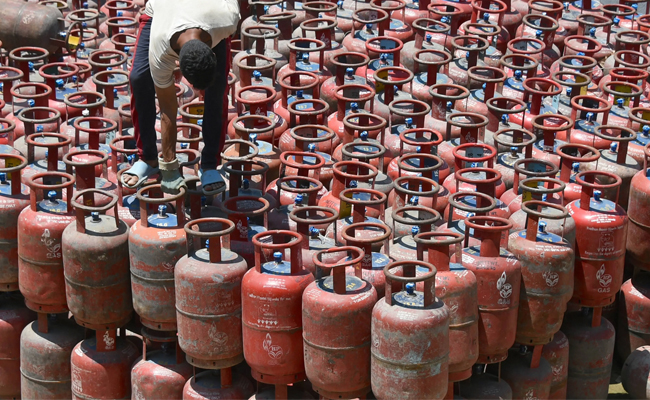
New Delhi (PTI): Domestic cooking gas LPG price on Saturday was hiked by a steep Rs 60 per cylinder, the second increase in rate in less than a year, as oil companies pass on a part of the spike in global energy rates that followed the West Asia crisis.
Non-subsidised LPG - the one that common households use in kitchens - will now cost Rs 913 per 14.2-kg cylinder in Delhi as against Rs 853 previously, according to the Indian Oil Corporation (IOC) website.
Ujjwala Yojana beneficiaries - the over 10 crore poor who have got free LPG connection since 2016 - will also have to bear the same amount of price increase. They will now pay Rs 613 per 14.2 kg cylinder after accounting for a subsidy of Rs 300 per bottle they get for up to 12 refills in a year.
ALSO READ: In biggest haul, drugs worth Rs 51 cr seized in Meghalaya, 2 held
The price increase, the website showed, is effective from March 7.
This is the second increase in rate in 11 months. The price was last hiked by Rs 50 in April last year.
Alongside, the price of commercial LPG - the one used by establishments such as hotels and restaurants - was increased by Rs 114.5 per 19-kg cylinder. It now costs Rs 1,883 in Delhi. This increase comes on top of Rs 28 per 19-kg cylinder raise effected on March 1.
Commercial LPG rate has risen by Rs 302.50 this year.
Industry officials said the increase follows a steep rise in global energy prices since the US and Israel attack on Iran last weekend triggered a wider military conflict in the oil and gas-rich Middle East.
The conflict has led to a near halt in tanker movement through the Strait of Hormuz -the narrow but critical sea lane between Iran and Oman used by Middle Eastern producers to export oil and gas to global markets. The disruption has sharply curtailed energy shipments from the region, triggering a spike in global oil and gas prices.
Since the conflict broke out on February 28, US crude soared 35.63 per cent for the biggest weekly gain in the history of the futures contract dating back to 1983. West Texas Intermediate (WTI) futures closed at USD 90.90 per barrel. Brent jumped about 28 per cent for its biggest weekly gain since April 2020, to settle at USD 92.69 per barrel.
Asian spot prices for liquefied natural gas (LNG) have also jumped to around USD 25.40 per million British thermal units (MMBtu) - a three-year high and more than double of last week's levels of around USD 10 per mmBtu amid fears of supply disruptions and halted exports from Qatar.
LPG markets have also tightened as shipments from key Gulf exporters face logistical disruptions, pushing international propane and butane benchmarks higher and raising concerns over supply availability for major importers such as India.
Despite Saturday's price increase, cooking gas in India is priced at the lowest when compared with neighbouring countries, industry officials said.
In Mumbai, non-subsidised LPG now costs Rs 912.50, Rs 939 in Kolkata and Rs 928.50 in Chennai, according to the IOC website.
Rates differ from state to state depending on the incidence of local sales tax or VAT.
The Strait of Hormuz is also a critical conduit for India's energy imports, with roughly half of the crude oil the country buys from overseas transiting through the narrow waterway. In addition, nearly 40 per cent of India's natural gas imports, largely in the form of LNG from Gulf suppliers like Qatar and the UAE, also pass through the strait.
For LPG, the strait is more important. India consumed 31.3 million tonne of LPG in 2024-25, of which only 12.8 million tonne were produced domestically, with the remainder imported. Of the imported quantity, 85-90 per cent come from countries like Saudi Arabia that rely on the Strait of Hormuz for transit.
The Strait has been effectively blocked following a week-old escalation in the region, after US and Israeli strikes on Iran prompted Tehran to retaliate against US bases in neighbouring countries.
To augment domestic supplies, the government on Friday invoked sparingly used emergency powers to direct oil refineries to ramp up LPG production.
Let the Truth be known. If you read VB and like VB, please be a VB Supporter and Help us deliver the Truth to one and all.
ED raids in case against former Punjab Police DIG Bhullar, linked entities
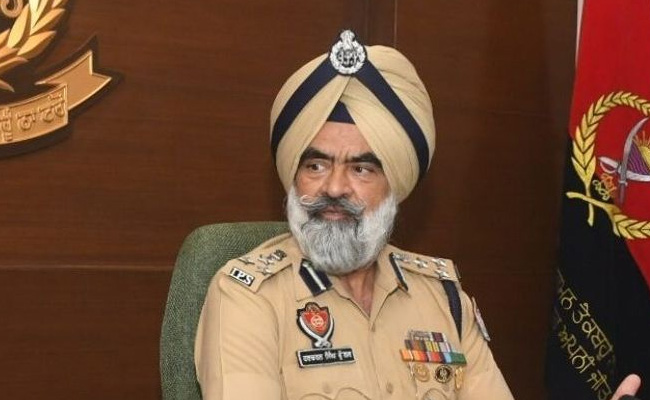
Chandigarh (PTI): The Enforcement Directorate on Monday conducted searches at multiple locations in Punjab as part of a money laundering probe against former state police DIG Harcharan Singh Bhullar and entities linked to him, officials said.
They said about 11 premises in Chandigarh, Ludhiana, Patiala, Nabha and Jalandhar linked to the accused, his associates and suspected benamidars (the owner in whose name a benami property is held) are being covered under the Prevention of Money Laundering Act (PMLA).
The Enforcement Directorate (ED) probe stems from a Central Bureau of Investigation (CBI) case registered against Bhullar on allegations that he sought illegal gratification through a middleman for settlement of a criminal case, along with detection of assets disproportionate to known sources of income.
The searches aim to trace further proceeds of the alleged crime, identify benami assets and gather evidence related to money laundering, ED officials said.
Bhullar, who was serving as the deputy inspector general (DIG) of police (Ropar Range), was arrested by the CBI in October 2025 after a scrap dealer alleged that bribe was demanded from him through an intermediary to settle a case.